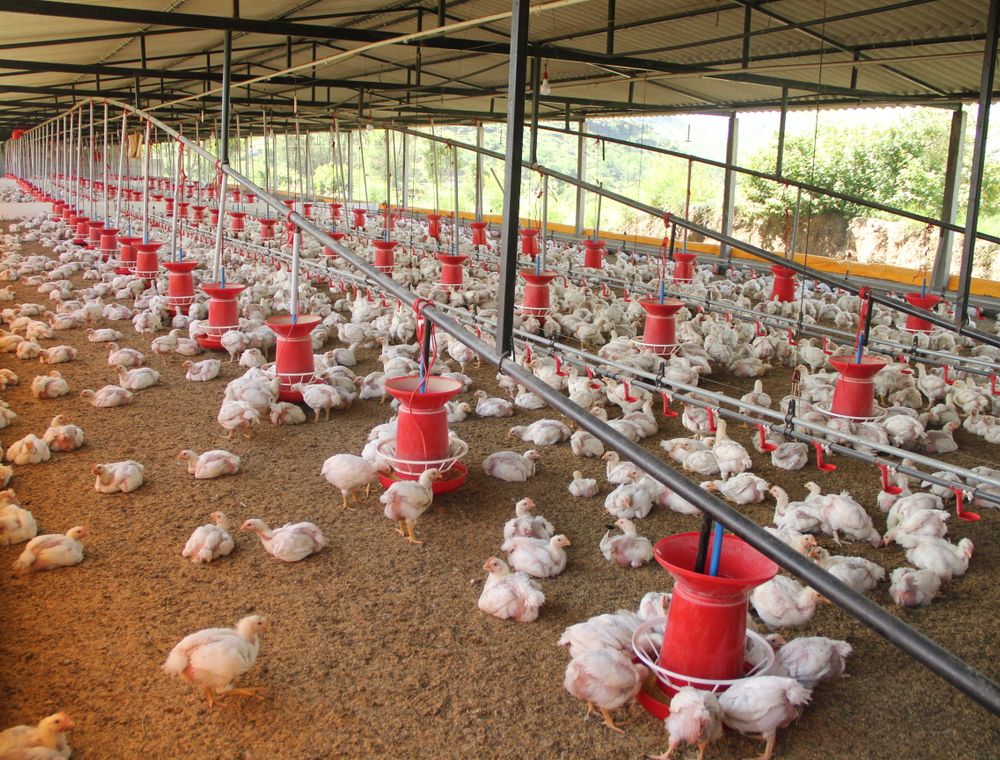
Short answer: Chicken prices in Ghana follow a calendar: they tend to firm up into Christmas, Easter and the Sallah festivals, they respond to the rains and the harmattan through weight and losses, and they move with feed costs months after grain prices change. Because a broiler takes roughly six to eight weeks to reach market, the price you see on sale day was decided weeks earlier by the chick order. Plan backwards from the sale week and check today's market before you commit.
Key takeaways
- Demand usually peaks around Christmas, Easter and the Sallah festivals, and supply often peaks in the same weeks.
- Chick placements decide market supply roughly six to eight weeks later, so fix the sale week first.
- Feed costs reach bird prices slowly, often months after grain prices have moved.
- Rains and harmattan change bird weights and losses, which changes what you can sell and what it costs you.
- Keep a weekly price book so your plan rests on your own market, not on memory or rumour.
The price you see is the end of a chain
A bird on a market table at the end of the year has a history that goes back about two months and a lot further than that once you count the feed. Its price reflects how many birds were placed weeks earlier, how well they grew, how many died on the way, what the grain cost when the ration was bought, and how many buyers came looking in the same week. Farmers who look only at today's price are reading the last link in the chain.
That is why seasonal patterns are useful and dangerous at the same time. They tell you what tends to happen, and they tempt you to assume it will happen again in exactly the same way. Feed prices have risen sharply lately in many places, so last season's pattern is a starting point, not a promise. Check today's market in your own town before you commit to anything.
Festive demand: Christmas, Easter and Sallah
Demand for chicken in Ghana is strongest around the festivals. Christmas brings families home and hosts for whom a bird is part of the celebration. Easter does the same in a smaller way. The two Eid festivals, known locally as Sallah, bring a strong market among Muslim households, and the date moves through the calendar year, so check it each year rather than assuming it falls in the same month. Weddings, outdoorings and funerals also pull birds through the market on their own timetable.
The buyers who matter most at these times are often the ones who buy in bulk: caterers, market traders, restaurant owners and households ordering for an event. They want birds of a set size at a set time, and they will pay for reliability. A farm that can deliver the right birds in the right week is in a better position than one that holds back a few extra and hopes.
The lag that catches most farmers
A broiler takes roughly six to eight weeks from the day the chick is placed to the day it is ready for market, depending on breed, weather and how well it is fed. That gap is the reason seasonal prices surprise people. When the price is high this week, the birds that would sell into it were placed six to eight weeks ago. When the price falls, the same thing happens in reverse.
The result is a trap that repeats itself. A farmer sees strong prices in November and places a large batch in early December. Many other farmers do the same. The birds reach the market in late January and early February, when demand has dropped after the festivities, and the price falls to meet a full market. The farmer who placed chicks in the boom ends up selling into the bust.
The way out is to decide the sale window first and count backwards. Work out the week you want birds on the table, subtract the growing time, and place the chicks to arrive in that slot. Then ask what the market will look like in that week, not the week you are placing the order.
What the rains and the harmattan do to weight and losses
Weather affects price in two ways. It changes how heavy the birds get, and it changes how many of them you lose. A flock that is hot for a week grows slowly and eats less. A flock that sits in wet litter through the rains picks up disease and the losses climb. Either way you have fewer birds of the right size, and buyers pay for the size they asked for.
The harmattan brings cold, dry air and fine dust. Young birds are more exposed to chest problems when the house is closed up against the cold and dust, and the dust itself gets into feeders and drinkers. Our guide to harmattan poultry care covers the house changes that help. Through the rains, the danger is wet litter and the illnesses it brings. Our page on rainy season management sets out the routine that keeps litter dry.
Weight matters as much as numbers. A bird that is a little light can be sold at a lower price per kilo, or it may miss the size band the buyer wants altogether. When the weather turns, weigh a sample of birds every few days so you see the problem in the weights before it reaches the sale.
Feed is the slow variable
Feed is the largest single cost on most poultry farms, and it is driven by grain. Grain, mostly maize, carries most of the energy in a Ghanaian ration, and its price swings with the harvest. In most of the country maize comes in two main windows during the year, and in the weeks after each harvest the grain is usually at its cheapest and most available. The lean months come before the next harvest, and that is when feed usually costs the most.
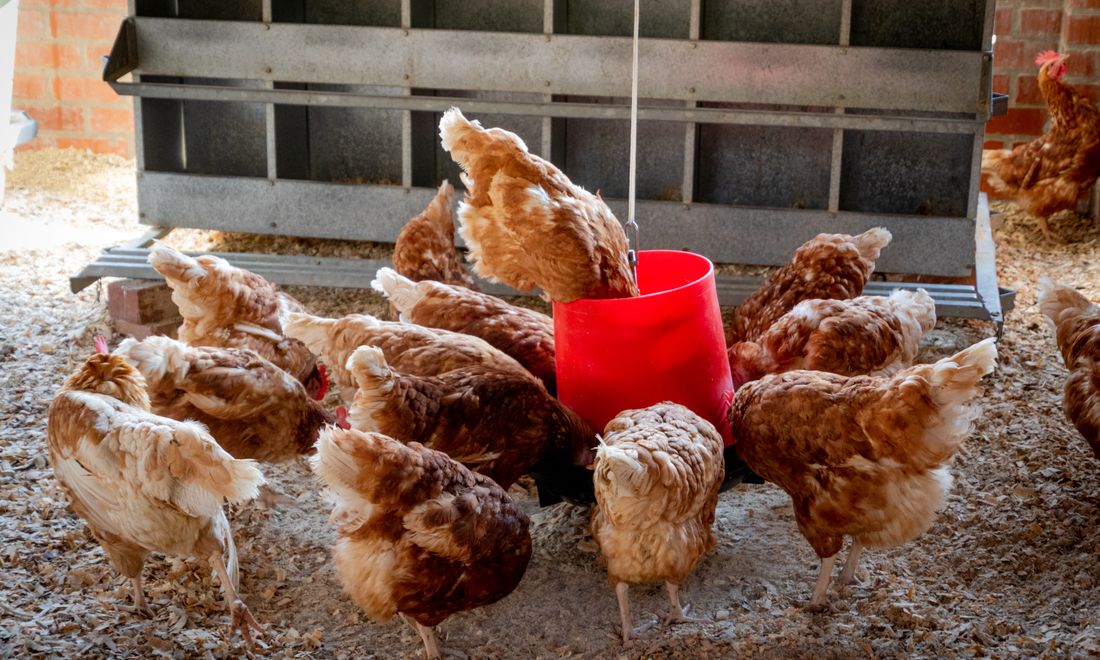
The important point is the delay. Feed you bought last month was priced last month, and the bird you sell next month carries that cost. When grain rises, the feed bill rises later, and when grain falls, the relief arrives later too. Farms that read the market only from bird prices often miss the early signal that the feed bill is about to change.
Our piece on maize in poultry feed explains why grain sits at the heart of the ration. For ways to cut the bill without damaging growth, read cheap poultry feed alternatives and test any change on a small part of the flock first.
Outbreaks change the curve within days
Disease news can move the market faster than any season. When buyers hear about sickness in birds in a region, many of them stop buying from that area, and farms elsewhere can see prices move before any bird is affected. The market responds to what it hears, and that can be right or wrong. Your job is to know your own flock's health and to keep records that prove it.
If you suspect disease, do not sell birds to avoid the problem. Call your vet or your district veterinary officer first. Report what you see, follow the advice you are given and keep your records up to date. Our page on avian influenza in Ghana covers the warning signs and the reporting route in general terms. Your vet is the person to ask for anything specific to your area.
A seasonal calendar for Ghana, row by row
The table below describes what tends to happen in each part of the year. The months are approximate, because the rains start and stop at different times in different regions, and Easter and Eid both move. Use it to ask better questions of your own market, not as a fixed forecast.
| Period, roughly | What tends to happen to demand | What tends to happen to supply and cost | What the farm should do |
|---|---|---|---|
| December to February (harmattan) | Festive peak into Christmas and New Year | Birds placed in October and November arrive as the market fills; cold dry air raises chest risk in young birds | Lock in the sale window early and watch brooder heat and dust |
| February to March (dry heat) | Demand eases after the festivities, then builds toward Easter | Heat stress rises and weights can slow | Ventilate well, give cool water and move earlier birds before weights drop |
| April to June (early rains) | Easter demand, and Sallah if the date falls here | Wet litter and disease pressure rise; feed costs may be climbing into the lean months | Keep litter dry, tighten biosecurity and plan feed stock before prices move |
| June to August (main rains) | Steady demand; Sallah can fall in this window | Mortality and feed costs can run high in the lean months | Hold a feed reserve and check the vaccine schedule with your vet |
| September to November (harvest and minor rains) | Demand builds toward Christmas | Grain is usually cheaper after harvest, and Christmas placements happen now | Buy feed while grain is cheap and dry, and place chicks for the festive window |
Treat the table as a set of questions. If your flock is on the early-rains row, the question is whether your litter will stay dry long enough. If it is on the harvest row, the question is whether you have bought enough feed while it is cheap.
Need chicks for your next batch?
Send breed, number and town. We reply with price, hatch date and delivery cost in writing.
Back-planning from the sale date: a worked example
Imagine your buyers want birds in the week of 14 December. A broiler that takes about seven weeks to reach market needs its chicks placed around the last week of October. That is the date to put in your diary, and it is the date that decides your feed purchases, your house readiness and your vet visits. If the chicks arrive in the first week of November, you have already lost a week of your sale window before anything has gone wrong on the farm.
Now put some money against it, taking the Ross 308 starting price of GH₵20 a chick, or GH₵1,000 a box of 50. A flock of 300 birds costs about GH₵6,000 in chicks at that price. If the birds sell live at the GH₵110 we list for a bird of around 2.5 kg, the gross is GH₵33,000 before feed, housing, vet and losses. A move of GH₵10 a bird is GH₵3,000 across the batch. These numbers are an illustration of how sensitive the sum is, not a forecast, and the real figure in your town could be higher or lower on the day.
The point of the example is the sensitivity. A small change in the price per bird moves the whole batch, and a lag of one or two weeks in the chick order can move the sale into a weaker market. Run the same calculation with your own buyers' prices before you place the order.
Reading the market without inventing it
The most useful price information is the price your own buyers pay in your own town, in the week you are selling. Ask them directly, and ask the people who sell birds at the market what they were offered. Ask your feed supplier what the bag price is today and what they expect next month. Then write it down. Most farmers who do well with seasonal prices have a simple book they update every week, not a clever forecasting model.
Be wary of anyone who gives you a precise price for a month ahead. Nobody can promise that, including us. What you can do is build a range from what buyers actually say and plan against the lower end of it. If the farm only works at the very top of the range, the batch is too risky for the season.
How our chick prices are set and confirmed
The day-old chick figures on our site are starting prices, last updated 18 October 2026, and each one is confirmed in writing when you order. They reflect feed, demand and the breed you choose, so they can change. We do not promise a price for a whole season in advance, because nobody can do that honestly. Planning a festival batch? Tell us the date you need the birds, and we will confirm stock and that week's price on WhatsApp, +233 24 915 1503.
The price of the chick is only one line in the sum. The price you get for the bird is the other, and that depends on your buyers. Our page on day-old chick prices in Ghana lists the current starting prices, and our earlier guide to what drives the chick price goes into the reasons in more detail.
A seasonal planning checklist
Use this checklist each time you plan a batch. It takes about twenty minutes and it catches most of the timing mistakes that cost farms money.
- Write the sale week on the first line of the plan, before anything else.
- Count back six to eight weeks for broilers and place the chick order to match.
- Check the festival dates for the year, including Eid, which moves each year.
- Ask two or three buyers what they expect in that week, and note their answers.
- Compare this season's grain price with last season's, and buy feed while grain is cheap and dry.
- Check the house for the weather you expect, harmattan heat or rainy damp.
- Plan the sale in two or three lots so you are not one of a thousand birds on the same day.
- Update your price book every week until the birds are sold.
For a wider look at whether the numbers work once the season is factored in, our honest look at poultry profitability walks through the costs, and the FAQ page handles the usual timing questions.
Questions farmers ask
Are chicken prices always higher at Christmas in Ghana?
Demand usually peaks around Christmas, and buyers will pay more for birds of the right size at the right time. The peak is not guaranteed in every town in every year, because supply and feed costs move as well. Check today's market in your area and talk to buyers before you commit to a batch.
Why do prices sometimes fall after a festival?
Birds placed to meet festive demand reach the market at about the same time, and buyers who stocked up for the event stop buying. A large supply in a short window pushes prices down. Staggering your batch so it does not all land in the same week is the most practical protection.
Does the price of maize affect the price of chicken?
Over time, yes. Feed is the largest cost on most poultry farms, and grain drives feed prices. The effect usually arrives months later, after farms have bought feed at the new price. Track the feed bill each month so you can see the change coming rather than reacting to it.
How far ahead should I plan a sale?
For broilers, count back about six to eight weeks from the sale date to the chick order, and allow a few days of margin for delivery and for any weather or health delay. Layers take much longer, because a pullet must reach lay before she earns anything. Plan layers a season or more ahead of the market you want to serve.
Can I agree a fixed bird price with a buyer for the whole year?
Some buyers will agree a fixed price for a batch or a season. It protects you from a dip and gives up some of the upside. If a buyer offers one, write down the price, the volume, the dates and the size, then check your feed and chick costs before you sign.
Do you guarantee a chick price for next season?
No. We confirm the price in writing at the time you order, and it reflects feed and demand on that day. Give our team your target date through WhatsApp on +233 24 915 1503, and we will say what stock and price look like in that week.
Should I stop keeping poultry when prices are low?
Not automatically. A low price can be a short dip, or it can be a sign that your costs are too high for the market you have. Add up what one bird costs you across the batch, covering chicks, feed, housing, vet and losses, then set that against the price you can actually get. If your cost is above the price, the problem is cost, not the season.


