
Short answer: Cull a sick chicken only when she is not recovering after a proper assessment by your vet, or when keeping her alive puts the flock at risk. Use an accepted method that someone experienced has shown you in person, confirm death before you move the body, and dispose of the carcass deep, well away from water, or by incineration. If more than one bird is affected, stop moving birds and call your vet before you cull anything, because the decision is then about the whole flock.
Key takeaways
- Cull for welfare reasons: a bird that is not recovering, cannot reach feed, or puts the flock at risk.
- Call your vet before handling a bird that might have a notifiable disease, and do not move or sell birds.
- Use only a method you have been shown in person by a trained, experienced person.
- Dispose of carcasses deep, away from water and animals, or by incineration, and never feed them out.
- Record every cull with the date, sign, method and disposal, so patterns show up early.
The day one bird has to go
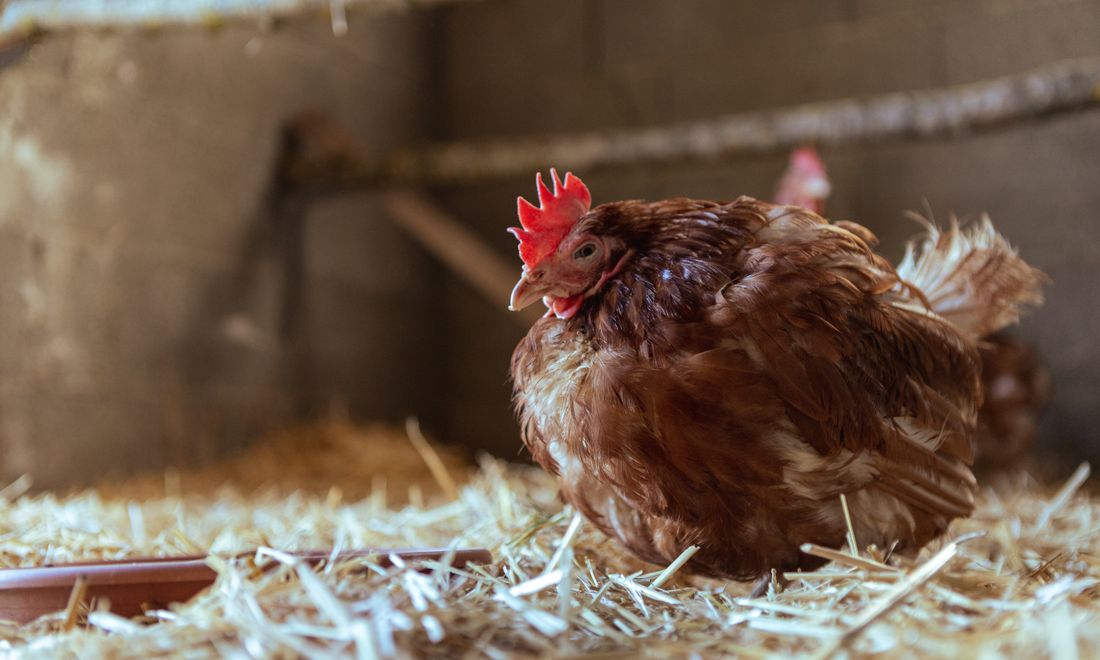
Every farm reaches the morning when one bird has to be killed, and most farmers put it off for longer than they should. They hope she will turn round, they give her another day, and in that day she stands by the water with her wing dropped and her comb pale, getting weaker. Waiting is not kindness. It is a long, quiet suffering that the bird pays for, and it usually costs the flock too.
This article is about making that decision clearly, carrying it out with as little fear and pain as possible, and dealing with the body afterwards in a way that keeps the rest of the birds safe. It is not a how-to manual. The method has to be shown to you in person by someone who knows what they are doing, and your vet is the right person to do that.
Culling is a welfare decision, not a punishment
A bird is culled when she cannot recover in a way that lets her live a reasonable life, or when keeping her alive puts the others at risk. It is not culled because she is a poor layer that week, because she has a scratch, or because you are angry at her for pecking the feed. Those are not welfare reasons, and they are the cases where farmers most often reach for the knife too early.
The reasons that do justify it include a bird that is not recovering after a proper assessment by your vet, one that can no longer stand, walk or reach feed and water, a prolapse that will not reduce, a leg or wing injury that will not heal, severe weight loss that keeps getting worse, and any bird your vet believes is a disease risk to the flock. In each case the question is whether her suffering will end or grow. If it will grow, the decision is usually already made.
Decide early. A bird that is culled on the first day of a problem is usually in better shape than one that is culled on the fifth day, and the difference is felt by the bird, not by the farmer.
Reading the signs before the decision
Most culling decisions come from a few signs, and they are easier to read when you write them down rather than trust a feeling at the end of a long day. Use the table as a guide to what each sign usually means and what to do next. It is not a diagnosis. Your vet should look at any bird you are unsure about, and any sign that appears in more than one bird.
| What you see | What it usually points to | What to do first | Who decides |
|---|---|---|---|
| A bird that stands alone, fluffed up, and does not come to feed | Illness of some kind, from infection to a sudden problem | Separate her and watch for a day, with water and feed close by | You, then your vet if she does not improve |
| A bird that cannot stand or walk, or drags a leg | Leg injury, paralysis or a serious infection | Assess with your vet the same day | Your vet |
| Prolapse that will not go back after a proper check | Tissue that has come out of the body and is damaged or infected | Call your vet immediately; do not try to fix it at home | Your vet |
| Swollen face, discharge from the eyes or nose, or noisy breathing in several birds | A respiratory or infectious disease that can spread | Isolate the group and call your vet before moving anything | Your vet, and possibly the veterinary services |
| Sudden deaths, or several birds going down together | A flock-level problem, possibly notifiable | Stop moving birds, call your vet, and do not sell | Your vet and the veterinary services |
| One bird with long-term weight loss and no response to treatment | Chronic disease, parasites or an old injury | Ask your vet to examine her; cull if no recovery | Your vet and you together |
The row that matters most is the last one before the flock. If more than one bird shows the same sign, the question is no longer about one bird. It is about the whole group, and the decisions change.
Before you act, check whether the disease can spread
Some diseases that cause sick birds can travel quickly between farms and to people, and some of them have to be reported. Newcastle disease and avian influenza are the two that most farmers worry about in Ghana, and our guides on Newcastle disease prevention and avian influenza explain the signs in more detail. Before you handle a bird that looks like she has either, call your vet. They will tell you what to do with the bird, the flock and any people who have been in contact with her.
Do not move birds off the farm while you are waiting. Do not sell a sick bird, and do not give one away to a neighbour who wants a free meal. A bird that goes to market carries whatever she has with her, and the next farm has no idea what it has received. Your vet will know the reporting route to the veterinary services, and it is worth asking them to show you the number before you need it.
If you are not sure whether a disease is notifiable, treat it as if it is until your vet says otherwise. The cost of a phone call is far lower than the cost of a spread you could have stopped.
Choose a method you have been shown
There are accepted ways of killing a bird quickly and humanely, and there are poor ways that cause prolonged pain, fear and sometimes a bird that survives the first attempt. The difference is almost always skill and calm. A method that works well in the hands of someone who has been trained and practised under supervision can fail badly in the hands of someone who learned it from a neighbour or a video.
So the rule is simple. Ask your vet, or an experienced person your vet names, to show you the accepted method for your type of bird and your age of bird, and to watch you do it. Ask them what the sign of a successful kill looks like and what to do if it has not worked. Do not practise on a healthy bird to build your confidence, and do not try a method you were never shown. A bird killed badly can suffer for a long time, and the person who did it is often the one who has to live with it.
Use a quiet, separate place out of sight of the rest of the flock. Other birds react to the handling and the sounds, and a calm space makes the handling calmer. Keep children and visitors away, and make sure the person doing the job is not rushed.
Confirm the bird is dead, then dispose of her safely
Never assume a bird is dead because she has stopped moving. Your vet or the trained person should show you how to confirm death before you move the body, because a bird that is not properly dead can recover enough to struggle, and that is a dangerous and miserable mistake. Wait the time they recommend, and check again. Then handle the body with gloves, and keep the head and feathers contained so they do not blow around the yard.
Disposal is where the rest of the flock is protected or put at risk. The safest routes are burial or incineration. A burial pit should be deep enough that dogs and foxes cannot dig the carcass up, and it should be well away from wells, boreholes, streams and drainage channels, which is a particular concern in the rainy season when the ground is saturated. Covering the carcass with lime is common practice and helps with smell and flies, but it is not a substitute for depth. Incineration is effective where you have the fuel and the space, and where the smoke will not drift over the houses.
Whatever you choose, never leave the carcass in the open, never throw it on a rubbish heap that dogs can reach, and never feed it to dogs, cats or other birds. Do not sell the meat, and do not give it to anyone. A bird that died of disease is not food, and the risk does not end when the bird stops moving.
Protect yourself and your helpers
Wear gloves for the whole job, from the first handling to the final clean-up. Use a dedicated set of clothes and boots for the work, or at least a clean apron and footwear that you can wash straight away. Wash your hands with soap and water when you finish, and before you touch food, a drink or your face. Avoid touching your eyes and mouth while you work.
Keep children, pregnant women and anyone with a weakened immune system away from the job, and from the carcass. If a helper feels unwell in the days afterwards, tell them to see a doctor and to mention they handled sick poultry. Our guides on biosecurity on a poultry farm and disinfectants and footbaths set out the cleaning routine for the house and the equipment once the job is over.
Need chicks for your next batch?
Send breed, number and town. We reply with price, hatch date and delivery cost in writing.
Write it down so the next decision is easier
Every cull should go into the record. Write the date, the bird's number or the pen she came from, the sign that led to the decision, the vet's view if you had one, the method used, who did it, and where the carcass was disposed of. Keep it short, but keep it every time.
The record earns its keep when a second bird goes down in the same pen a fortnight later. If the same sign keeps showing up, your vet can see a pattern that you would miss in the middle of a bad week. Our guide on poultry record keeping shows a simple layout that fits on one sheet, and it is worth using even for a small flock.
When it is the flock, not one bird
One sick bird is a bird. Ten sick birds in three days is a different problem, and it needs a different response. The instinct is to go through the house and remove the worst one each morning. That approach keeps killing birds one at a time while the cause keeps spreading. It also means you are handling sick birds repeatedly, which spreads infection on your hands and boots.
When more than one bird is affected, stop moving birds, call your vet, and let them decide whether the group should be assessed, treated, isolated or culled as a whole. Your vet may take samples or ask for a post-mortem, and the results will shape the decision. Do not sell or move the flock until you have that advice. The hardest moments on a farm are often the ones where the right decision is to stop, and the flock is the reason the stop matters.
If the advice is to depopulate, the vet will give you the plan, including how and where the birds will be killed and disposed of, and what cleaning and disinfection the house needs afterwards. Read our article on sudden death in chickens for the first checks to make before the vet arrives.
Replacing the birds you have lost
Once the flock is stable and the house has been cleaned, most farmers start thinking about replacements. Leave a proper gap before you bring in new birds. The house needs to be empty, washed, disinfected and rested, and the new birds should only arrive once your vet is happy with the health of the site. Our article on poultry housing designs helps you plan a house that is easy to empty and clean, and the disinfection steps are in our guide to disinfectants and footbaths.
If you are replacing layers, our layer day-old chicks page explains what we hatch and import. Place the order through our order form, and if you want to talk through the timing before you commit, message us on WhatsApp at +233 24 915 1503. We would rather you plan the gap properly than rush the next flock into a house that has not yet recovered.
A checklist for a sick bird that may need culling
Use this list before you make the decision, and again before the bird is handled. If any step cannot be done, call your vet before you go further.
- Separate the bird from the flock and give her water and feed close by.
- Check how long she has been like this, and what has changed in the pen in the same period.
- Look at the other birds for the same signs, and count how many are affected.
- Call your vet, describe the signs and the numbers, and ask for a visit or a plan.
- Do not move or sell any birds until your vet has advised on the flock.
- If culling is advised, use only the method you have been shown, in a quiet, separate place.
- Confirm death before you move the body, and wear gloves throughout.
- Dispose of the carcass deep and well away from water, or by incineration, and never feed it to animals.
- Wash your hands, change or clean your clothes and boots, and disinfect the equipment you used.
- Write the cull into your record with the date, the sign, the method and the disposal.
Questions farmers ask
Should I sell a sick bird instead of culling her?
No. A sick bird that goes to market carries whatever she has with her, and the buyer, the next farm and the people who handle her are all put at risk. Selling her also means the bird suffers for longer on the road. If a bird is sick enough that you are thinking of culling her, she is not a bird to sell. Your vet is the person to ask about any other option.
Can I cull a bird myself without a vet?
Only if you have been shown the accepted method in person by someone trained and experienced, and you are confident you can do it quickly and cleanly. Even then, call your vet first when the bird may have a disease that spreads. Do not learn the method from a video or from a neighbour who has done it once.
Can I eat a bird that I have culled?
The meat of a bird that was culled for disease is not food, whatever the reason for the cull. A bird culled for ordinary welfare reasons, such as an injury that will not heal, should also be discarded unless your vet says otherwise, because the illness that caused the cull is often not obvious from the outside. Dispose of the carcass as described and do not feed it to dogs or other birds.
How long should I wait to confirm a bird is dead?
Follow the time your vet or trained person gives you, and check again before you move the body. A bird that looks still can still be alive, so do not skip the check, and do not rush the person doing the job. The waiting is short, and a mistake here is very hard to undo.
Can I bury a bird in the yard?
Yes, if the pit is deep enough that dogs and foxes cannot reach the carcass, and if it is well away from wells, boreholes, streams and drainage channels. In the rainy season the ground can be saturated, so choose a higher, drier spot. Mark the spot in your record. Lime helps with smell and flies, but depth is the main protection.
What if a neighbour's bird is the one that started the problem?
Tell your vet, and let them decide what to do. You can offer to help the neighbour find the right advice, but do not move birds between farms or buy in replacements while the question is open. A shared problem usually needs a shared plan, and your vet is the person who can start it.
When should I call the veterinary services rather than my own vet?
Call your vet first in every case. Your vet knows the local reporting route and will tell you when the veterinary services need to be involved, particularly for a suspected notifiable disease. If you cannot reach your vet and birds are dying in numbers, ask the nearest veterinary office for advice, and keep the flock still until someone qualified has seen it.


