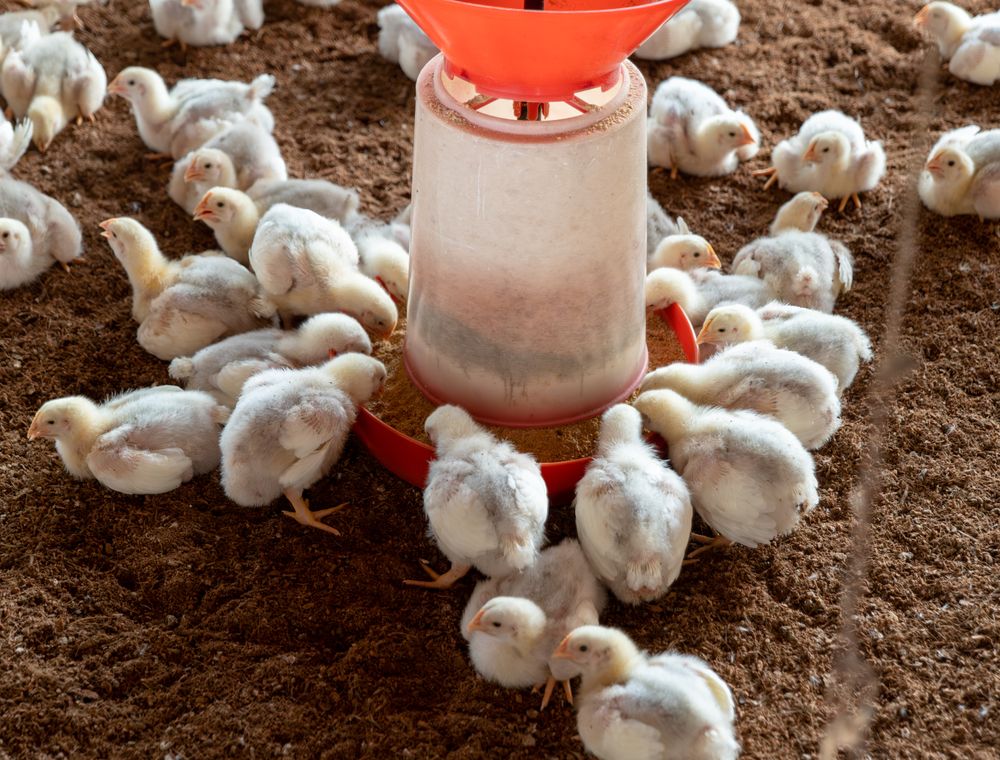
Short answer: A Cornish game hen is a small whole bird sold as a single portion, not a broiler pulled early. In Ghana it works when you agree the buyer's target weight first, pick a chick that finishes at that size, set the processing date before the chicks arrive and run the cost per bird sold before you order. Our standard price sheet does not carry a separate game-hen line, so ask us which chick comes closest.
Key takeaways
- A game hen is a single-portion product, so agree the buyer's weight before you buy any chicks.
- Pulling a fast broiler early gives a light, thin bird that buyers notice, so run a trial batch first.
- Set the processing date before the chicks arrive, and work backwards from the buyer's date.
- Change nothing in the feed during the last days before dispatch, and weigh a sample every week.
- Work out the cost per bird sold before you order, not after the birds have gone out.
A game hen is a product, not a smaller broiler
Most people who ask us about game hens have already tried the shortcut. They take a broiler chick, keep it a few weeks less than usual, and sell the result as a small bird. Sometimes it works. More often the bird is light in the breast, weak in the legs and wasteful on feed, and the buyer notices before the customer does.
A game hen is a single-portion product. It is sold whole, usually one bird to one plate, and the buyer is paying for the size and the tenderness of that one bird. That changes every decision you make, from the chick you choose to the day you sell. Think about the product first and the batch second.
This guide covers what the buyers want, how to choose and time the birds, how to feed and house a small, quick bird, and how to price a run so that you know the cost of each bird you sell.

What buyers mean by a game hen
The phrase is used loosely. A restaurant may mean a bird that roasts to a single plate. A hotel kitchen may mean a bird of a set weight that matches its menu card. A family buying for a festive table may mean whatever is on sale that morning. The first job is to find out what your buyer means, in grams, before you buy a single chick.
Ask three questions. What weight does the bird need to be when it is dressed, and is that before or after the head and feet come off? Does the buyer want the bird whole, cut or frozen? And how often will they order, so that you can plan a regular run rather than a one-off panic? A buyer who cannot answer the first question is not yet a customer.
Most small game birds we hear about are dressed well under a kilogram. Anything heavier starts to look like a small broiler to the person doing the cooking, and the price conversation changes. Agree the target weight in writing, and write down the date you expect to meet it.
Choosing the bird: why an early broiler is the wrong answer
Our standard broiler chicks are bred to finish large. The Ross 308 and the Cobb 500 are the two lines we quote most often, at a starting price of GH₵20 a chick, in boxes of fifty. Those birds are excellent at what they are built for. They are not built to stop at a game-hen weight.
When you pull a fast-growing bird early, two things happen. The feed conversion is strong for the first weeks and then you are feeding a bird that is still developing, so its breast and bones do not fill out the way the buyer expects. The second thing is that a light, early bird often has thin skin and a shallow breast, which looks poor on a plate even when the weight is right. We would rather tell a customer that a broiler is the wrong bird than sell them a poor game hen.
So what do we tell people who want game hens? We ask them to bring us their target weight and their timeline, and we talk through which of our chicks is closest. We do not have a separate game-hen line on the standard price sheet, so please ask us on WhatsApp before you commit a large run. A small trial box of birds, weighed and dressed to the buyer's specification, tells you more than any description can.
Timing the run: a five-to-six-week plan
A game hen run is short, so the mistakes happen fast. The table below is the rough sequence we describe to customers who want a small bird ready for a set date. The weights and the day counts depend on the line you choose and the buyer's target, so treat the table as a plan to adjust rather than a fixed schedule.
| Week | What the birds need | What to check |
|---|---|---|
| Week 0 to 1 | Brooder at a steady warmth, dry litter, feed and water within reach | Chick behaviour, crop fill, and the chicks spread evenly under the heat |
| Week 2 | Start feed well received, with the drinkers kept clean and cool | Early wet litter around drinkers, and any chicks that lag behind |
| Week 3 | Move to a grower feed and reduce crowding as the birds grow | A sample weighed on the same scale each time, against your target line |
| Week 4 | Keep feed and water steady, with shade and airflow as the weather heats up | Leg condition, walking, and any birds that sit apart from the group |
| Week 5 to 6 | Hold the ration steady and avoid sudden changes before processing | Weights against the buyer's specification, and the dispatch date fixed with the buyer |
Set the processing date before the chicks arrive, not after. A game hen that goes one week too long becomes a small broiler, and a bird that goes one week too early is too light. The window is narrow, and the buyer has to be ready to take the birds on the day.
Feeding a bird you sell young
Feed is where a short run makes or loses money. You are feeding for a target weight, not for the largest bird you can grow, and every extra kilogram of feed past the target is money you do not get back from the buyer.
The simple plan is a starter crumble for the first weeks, a grower ration through the middle of the run, and a steady ration in the last days rather than a rich finisher pushed in at the end. Check the label of each bag for protein and energy, and do not change feeds in the last three days before dispatch, because the birds will go off their feed and you will lose weight you have already paid for.
The feeding space matters as much as the feed. Give each bird room at the feeder, and put out a second feeder for a larger group. A bird pushed away from the feed will eat less and grow unevenly, and the uneven birds are the ones you end up with on the buyer's scale.
- Clean water always, with drinkers that stay off the wet floor.
- Feed at a steady time each day, and avoid long fasting before dispatch.
- Remove any bird that is off its feed for a day, and look at it before the others.
- Keep a daily feed count against the bags used, so you can see the real intake.
For the broader feeding timetable, our guide on the broiler feeding schedule in Ghana lays out the stages in more detail, and our starter, grower and finisher guide explains what each ration does. Read the stage guide before you change the plan for a smaller bird.

Housing and density for a small, quick bird
Because a game hen is light at dispatch, you can keep more birds per square metre than you would with heavy broilers. That is the good news. The bad news is that a crowded house with wet litter will ruin a short run faster than a long one, because you do not have the weeks to recover from a bad start.
Keep the litter dry and fresh from the first day, and turn it at the edges where the drinkers leak. Ventilation matters more than the number of birds. In the heat of the Central Region dry season, a house that holds the warmth in the evening will produce birds that pant and eat less, and a game hen that loses appetite in week five is a game hen that misses the buyer's weight.
Plan the stocking to the house, not to the number of chicks you were sold. A box of fifty chicks can overwhelm a small pen, and a pen that holds a box of fifty comfortably in week one may be full in week four. Our guide on stocking density for broilers in Ghana covers the space figures we use, and the same principles apply to a smaller bird with a little more room to spare.
Processing and presentation
A game hen is judged on the plate, so presentation counts. The bird should be dressed cleanly, cooled quickly and packed in a way that keeps it cold and whole. A buyer who receives a torn, warm bird will not come back, however good the meat was.
Plan the processing day as a clear sequence. Withdraw feed for the time your processing plan requires, and no longer, so that the crop is empty but the bird is not weak. Dress the birds in a clean space with clean tools, chill them promptly, and label the boxes with the date and the weight range. Keep records of each batch's weights, because the buyer will ask for them.
If your buyers need halaal birds, the slaughter has to follow halaal practice from the first cut to the last, and that is a matter for your own process and for the religious authority you work with. Do not assume a label is enough. Explain your process to the buyer in plain words, and keep the records that show it.
- Weigh a sample of birds before the processing day, and note the result.
- Set the feed withdrawal time in writing with the buyer's delivery time in mind.
- Chill the birds promptly, and keep them out of the sun on the way to the buyer.
- Pack each order to the buyer's stated weight range, and keep a copy of the packing list.
Festive and hotel demand: working backwards from the date
Game hens sell best around events where a small, whole bird is the right portion: a family table on a festive day, a hotel's set menu, or a special order for a wedding or a naming ceremony. The demand is sharp and short. Miss the date and the birds become an expensive lesson.
Work backwards from the event date. Fix the buyer and the portion. Then count back six weeks for the birds, plus the processing and delivery time, and place the chick order to match. If your event falls around a festival whose date moves with the calendar, plan two possible dates, and tell the buyer which one you are planning for.
Hotel kitchens often buy on a schedule rather than on the whim of the day, so a regular order is worth more to you than a single rush. If a hotel or a restaurant wants to order each week, ask whether you can reserve a hatch for that period, and talk to us about bulk arrangements early.
Need chicks for your next batch?
Send breed, number and town. We reply with price, hatch date and delivery cost in writing.
A worked cost example for sixty birds
Here is a worked example for a run of sixty birds. It uses illustrative figures for feed and weights. Replace them with your own before you rely on the answer. The chick price is taken from our standard price sheet.
| Line | Example figure | How it is worked out |
|---|---|---|
| Chicks | 60 at GH₵20 each, GH₵1,200 | Ross 308 or Cobb 500 starting price, from our standard price sheet |
| Losses allowed | 3 birds, about 5 percent | Plan for losses, then count the birds you actually sell |
| Birds to sell | 57 | 60 minus 3 |
| Feed per bird | About 1.6 kilograms | Illustrative, for a small target weight at this age |
| Feed for the run | About 96 kilograms | 60 birds x 1.6 kilograms, before losses |
| Feed cost | Your own figure | Kilograms used, multiplied by the price per kilogram you paid |
| Cost per bird sold | Your own figure | Total of chicks, feed, packaging and labour, divided by 57 |
The line most people forget is the one at the bottom. The cost per bird sold is the figure that tells you whether the price the buyer will pay is worth the work. Calculate it before you order, not after the birds have gone out. Feed prices have risen sharply lately, so check today's market for the bag price on the day you plan to buy, and avoid last season's numbers.
Mistakes that cost game hen producers the most
The mistakes below are the ones we hear about most when a small run goes wrong. They are easy to avoid if you check the plan against them before the chicks arrive.
- Pulling a broiler early and calling it a game hen. The bird is light, thin and wasteful on feed.
- No buyer before the chicks. Birds that wait for a sale grow past the weight and cost you money every extra day.
- Changing feed in the last days. Birds go off their feed and lose weight at the point you need it most.
- Overstocking the house. A crowded pen with wet litter ruins a short run quickly.
- Skipping the weigh-in. Without a weight sample you are guessing when to sell.
- Packing warm or torn birds. The buyer judges the bird on the plate, not on the feed bill.
A pattern we see in and around Kasoa is the keeper who prices the birds per kilogram without knowing the weight the buyer wants. The price looks good until the birds are dressed and the buyer rejects the ones that are too big or too small. Agree the weight range first, then the price.
Checklist before you order
Work through this list before you place a chick order for a game hen run. If you cannot tick a line, that is the question to solve first.
- The buyer has named a target weight range and a delivery date in writing.
- The processing day is set, with a clean space, cold storage and packaging ready.
- The brooder is warm, dry and sized for the number of chicks, and the feed is on site.
- The house will stay dry and ventilated through the heat of the run.
- Your feed plan has a starter, a grower and a steady ration, with the bag price checked today.
- A weigh-in plan is written down, with the dates you will weigh a sample.
- You have run the cost per bird sold, and it leaves a margin you can live with.
For the health side, keep the birds on the vaccination and biosecurity plan that your vet sets for your area, and follow your vet's advice on timing. Do not change products or doses based on a message you read online.
Questions to ask us about game-hen stock
Message us on WhatsApp at +233 24 915 1503 with the target weight, the number of birds, the date you need them to be ready and the buyer you are supplying. We will tell you which of our chicks comes closest, how the batch record works and what the price is, confirmed in writing before you pay.
Our standard chicks are vaccinated at the hatchery against Marek's disease, Newcastle disease, Gumboro (IBD), infectious bronchitis and coccidiosis, and you receive a batch record with the box. Count the chicks on arrival and send us a photo on WhatsApp the same day. Dead on arrival is replaced free in the next hatch.
You can place a broiler order through the order form, and our broiler chicks page sets out the standard options. For larger or regular orders for a hotel or restaurant, our bulk page explains how we quote them, and our partner with us page covers the longer working arrangement. We deliver to all 16 regions, and our delivery page explains how boxes travel.
If you are still unsure whether a game hen run suits your plan, our frequently asked questions may answer the basics, and the rest is a conversation with us. The cheapest mistake is the one you ask about before the chicks arrive.
Where this sits beside our Cornish broiler guide
If you have read our Cornish cross broiler guide for Ghana farmers, you will see that the two topics overlap. A Cornish cross is a meat bird grown to a heavy market weight. A game hen is a small bird grown to a light one. The chick, the feed, the house and the buyer are all different, so read the two guides for different questions.
The guide to when to sell broilers covers the timing question for standard birds, and the weight chart shows the growth curve we plan from. For a game hen, use those as background, then set your own targets and your own calendar from the buyer's specification.
Questions farmers ask
What is a Cornish game hen?
A small, whole bird sold as a single portion, usually dressed well under a kilogram. It is typically sold young, around five to six weeks, though the exact age depends on the line and on the buyer's weight. Most birds sold under the name are crosses rather than pure Cornish stock. The buyer's weight, not the breed name, is the thing to agree first.
Can I just sell a broiler early as a game hen?
You can, but the result is often light in the breast, thin in the skin and wasteful on feed. Buyers notice quickly. A short trial batch, weighed and dressed to the buyer's specification, tells you more than any guess. If the trial does not look right, change the bird or the plan before you commit a large run.
How many game hens can I raise in a small house?
Because each bird is light at dispatch, you can keep more birds per square metre than with heavy broilers, but a crowded house with wet litter will ruin a short run fast. Plan the stocking to your house, keep the litter dry and ventilate well through the heat. Our stocking density guide gives the space figures we use as a starting point.
When should I process the birds?
Set the processing date with the buyer before the chicks arrive, and work backwards from it. A bird that goes too long becomes a small broiler, and one that goes too early is too light. Weigh a sample each week against your target line, and hold the birds to a steady ration as you approach the date.
Do I need to withdraw feed before processing?
Yes, for a short period, so the crop is empty at processing. Keep the withdrawal time as short as your processing plan allows, because a bird that goes too long without feed loses weight you have already paid for. Agree the timing with your processing plan and your buyer, and keep the water available throughout.
Are game hens halaal?
Only if the slaughter and processing follow halaal practice from start to finish, and that is a matter for your own process and for the religious authority you work with. A label on its own is not enough. Explain your process to the buyer in plain terms, and keep the records that show how each bird was processed.
Where can I buy chicks for a game hen run in Ghana?
Our hatchery sits at Opeikuma, just outside Kasoa in the Central Region. Our standard price sheet does not carry a separate game-hen line, so message us on WhatsApp at +233 24 915 1503 with your target weight and date. We will tell you which of our chicks is closest and confirm the price in writing before payment.


