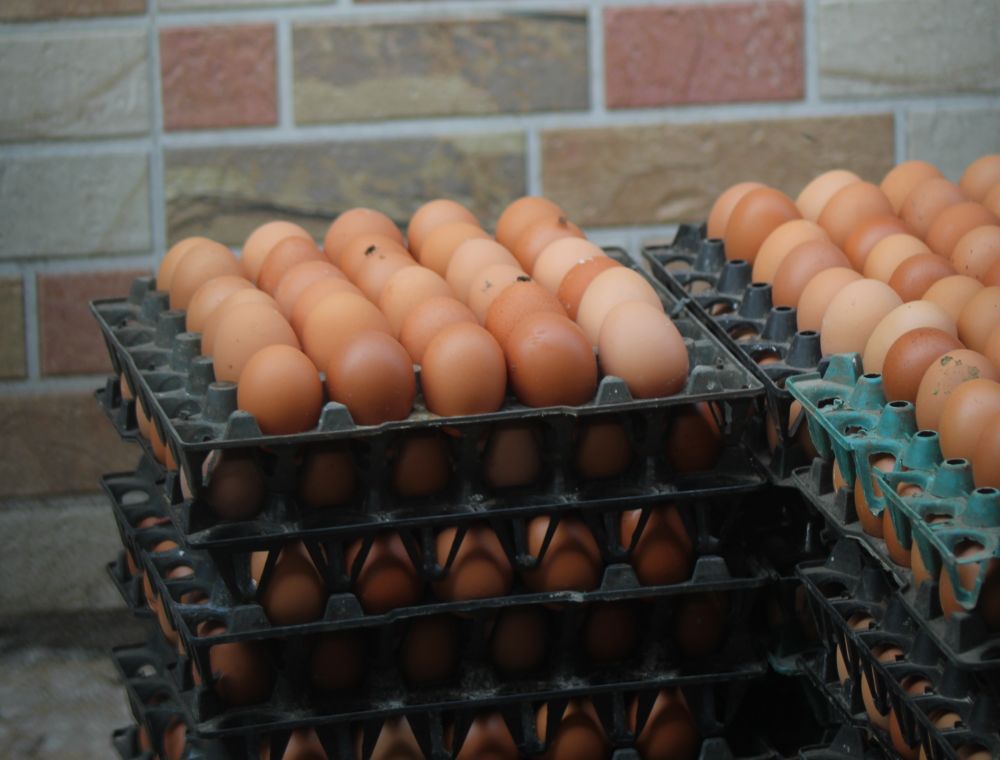
Short answer: Shika Brown is a brown-egg strain developed by Nigeria's National Animal Production Research Institute, and its developers say it starts laying around 18 weeks. A small trial reported in 2023 put it just behind ISA Brown on egg output but ahead of it on mortality and gross margin. Treat it as a strain to test on a small batch, and ask us before you order, since it has no place on our price list today.
Key takeaways
- Shika Brown was developed by Nigeria's National Animal Production Research Institute, and its developers claim lay from about 18 weeks.
- The only comparative trial we could find used 39 birds per strain, so treat its margins as a ranking, not a forecast.
- In that trial Shika Brown's egg output sat between ISA Brown and Harco Black, and its mortality was the lowest of the three.
- Feed per egg, not the strain name, decides whether an early-laying brown bird pays on your farm.
- It is not on our current price list. Ask us on WhatsApp before you pay.
A better bird, or a better name on a brochure?
Is Shika Brown a better layer than ISA Brown for a Ghanaian shed, or is it a better name on a brochure? It is a fair question, and the honest answer is that the evidence is thin. There is a developer's claim, a magazine report of that claim, and one small comparative trial with a few dozen birds per strain. Nothing in that pile tells you how the bird behaves in a Kasoa shed in April, with your feed and your buyers.
That does not make the strain worthless. It means you should buy it the way you would buy any strain you have only read about: small, measured, and against a bird you already understand. The rest of this guide is about how to read what exists, so you know which numbers to trust and which to set aside.
Where the Shika Brown came from
The strain was developed by the National Animal Production Research Institute in Nigeria. A magazine report on it, dated October 2011, cites more than fifteen years of research behind the work and quotes a principal research officer saying the strain was developed recently. The report describes the bird as highly adapted to the harsh tropical environment and says it resists many economically important diseases. It was tested in the northern, southern and eastern regions of the country, and the report says the feedback on adaptability to different weather was positive.
Two claims in that report are the ones that matter for a layer farmer. The first is an earlier start: laying is said to begin at 18 weeks, against 24 weeks for the standard bird it was compared with. The second is a long productive life, with the summary saying the bird can keep laying for two years. Neither claim comes with an egg count, a percentage of lay or a feed conversion figure. The report is useful for knowing what the developers want you to believe, and not much more.
Be careful with the word brown. The name tells you the egg shell is brown in the way the trade uses the term, and the trial compared Shika Brown directly with ISA Brown, a brown-egg strain. Check the shell colour on the breeder's data sheet before you buy, not after the first tray is filled.
What the 2015 to 2016 trial tested, and how small it was
The most useful comparison we could find is a 2023 paper by Ayinde, Agboola and Obalola in the Scientific Papers Series for management and rural development. It followed three strains, Shika Brown, ISA Brown and Harco Black, from March 2015 to March 2016. There were 39 point-of-lay birds per strain, 117 birds in all, and the birds were recorded until they had been in lay for a year.
Thirty-nine birds per strain is a small group. A single bad batch of feed, one bout of disease or a hot week can move the averages by a visible amount. The paper's figures are good enough to rank the strains in that one trial, and not good enough to predict what a 500-bird house will do on your farm. Read the tables with that limit in front of you.
The paper also has gaps. Some of its units are not stated, a few of its feed figures do not reconcile with each other, and the text and the tables disagree on one egg-weight comparison. None of that makes the study worthless. It means you should quote its numbers as a ranking and never as a forecast.
Egg output: reading the numbers as a ranking
The paper reports a production figure of 163.3 for Shika Brown, 175.3 for ISA Brown and 145.7 for Harco Black, labelled as mean weekly production. The unit is not clear from the paper, so the three numbers tell you the order, with ISA Brown highest, Shika Brown in the middle and Harco Black lowest. The gap between ISA Brown and Shika Brown in that trial was real but modest.
The thing to take from this is that a strain can sit in the middle on output and still be the better buy, if it loses fewer birds, holds its weight, or lays through a hot season without falling away. That is why the trial matters more for its mortality and margin than for its headline output.

Egg size, body weight and what your buyer sees
In the trial, egg weight at week 52 was 56.8 g for Shika Brown, 57.1 g for ISA Brown and 57.9 g for Harco Black. Those three are close enough that you would not notice the difference at the market, but they are not identical, and a grader will weigh the difference across a tray. Early in the lay cycle the picture changed. At week 10 Harco Black eggs were clearly heavier, and at week 30 the Shika Brown and Harco Black eggs were both ahead of ISA Brown. Egg weight moves with age, feed and the health of the flock, so a single weighing tells you little.
Body weight during the pullet stage was close between Shika Brown and ISA Brown. At week 19 the two were level, at about 1.59 kg in the paper's table, and at week 21 Shika Brown was a little lighter than ISA Brown. Harco Black was heavier at both ages. The table gives no units, so assume kilograms and check them against your own scale before you plan feed.
If you are selling by grade, weigh a tray of eggs every fortnight from the start of lay, and write the weights down with the date and the feed batch. That record will tell you more about your strain than any table in a paper.
Mortality, the dry season and the heat question
The mortality figures are the most striking part of the trial. Over the trial year, 10.3 per cent of Shika Brown birds were lost, against 23 per cent for ISA Brown and 26 per cent for Harco Black. The paper attributes the higher Harco Black losses to dry-season heat. With 39 birds per strain, one or two losses can move those percentages a long way, so do not treat the gap as settled. It is, however, the reason this strain deserves a proper test on your farm before anyone dismisses it.
In Ghana the heat problem is a daily one from the rains to the harmattan. Heat stress shows up first as birds that sit with open beaks, pile in the corners and eat less. Check your drinkers twice a day in hot weather, and write down the afternoon temperature inside the house, not only outside. Our guide to heat stress deaths lists the warning signs in order, so you can act before you lose birds.
A strain that handles heat better than your current brown bird is worth money. A strain that only looks better on paper is not. Your own mortality record over one hot season will settle the question faster than any study.
Lay at 18 weeks, and what that does to your feed plan
The developer's claim of lay at 18 weeks is the most practical part of the report, and it is also the easiest to get wrong. A pullet that starts laying early needs a layer ration early, and a layer ration that goes in before the bird is ready can push her into lay before her frame and her reserves are built. That is how an early-laying strain ends up with thin shells and small eggs in the first month.
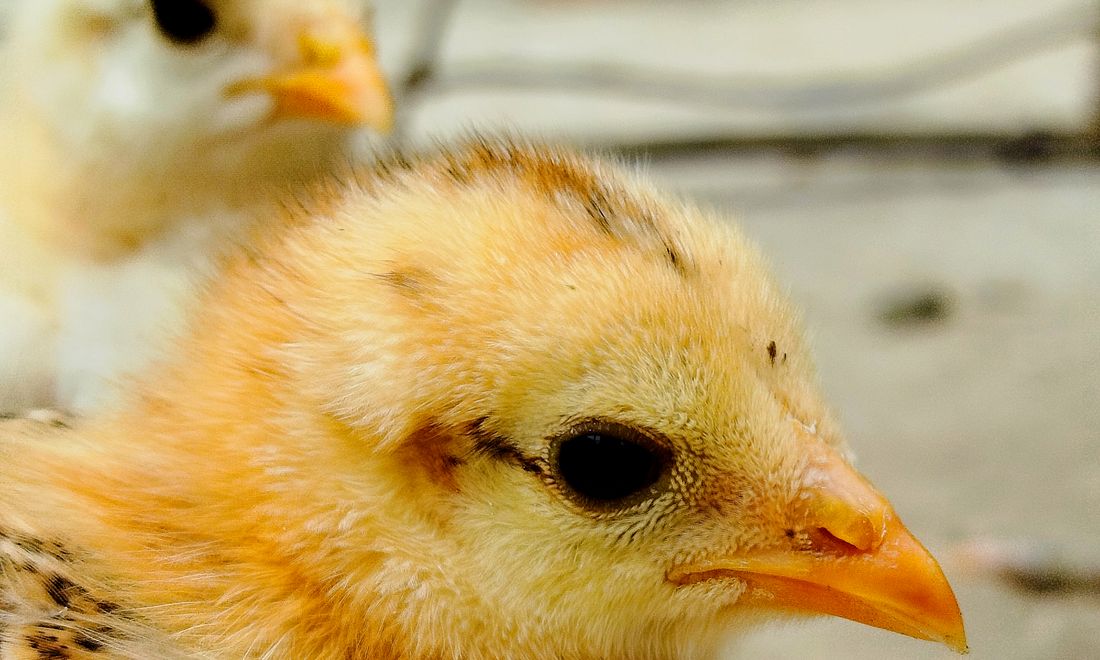
So plan the switch from grower to layer ration by weight, not by the calendar. If your pullets are on target at 16 weeks and they show the first signs of comb reddening and pelvic spread, the switch can start. If they are behind, keep the grower ration and wait. Our grower feed guide for pullets sets out the feed side of that decision in more detail.
Expect an early lay to bring a steeper climb and a sharper fall. Set your records to flag any day when lay drops more than a few points, and check feed, water and heat on that same day.
Shed set-up for an early-laying brown bird
An early layer reaches its peak sooner, which means the nests, the feeders and the drinkers have to be ready before the first egg. A shed that is still being finished in week 16 will cost you eggs in week 19, and those are the eggs you counted on when you priced the flock.
Set the feeders so every hen can reach one without climbing, and keep the feed level at the lower edge of the trough, so there is less spill and the feed stays dry. Put one drinker for every 80 to 100 birds as a planning rule, and add more in hot weather. Nests should be dark, dry and clean, and placed low enough that a young hen can reach them without jumping.
Timing matters on the morning feed round too. Early layers often start laying before the feed is spread out, so a late breakfast can mean eggs on the floor. Feed out early and check the nests within an hour of lights on.
Need chicks for your next batch?
Send breed, number and town. We reply with price, hatch date and delivery cost in writing.
A cost check against a brown strain you already know
The paper's economic table makes the case for a fair cost check. Over the 52 weeks it measured, Shika Brown returned a slightly higher gross margin than ISA Brown, but the difference was small against the spread of a flock of 39 birds. The table below puts the three strains next to each other on the figures that matter most for a grower, using the paper's own numbers and not our assumptions.
| Measure in the 2015 to 2016 trial | Shika Brown | ISA Brown | Harco Black |
|---|---|---|---|
| Egg output figure (paper's unit) | 163.3 | 175.3 | 145.7 |
| Egg weight at week 52 (g) | 56.8 | 57.1 | 57.9 |
| Mortality over the trial year | 10.3% | 23% | 26% |
| Gross margin over 52 weeks (naira) | 56,542.52 | 52,788.79 | 48,177.18 |
What does that mean for a Ghanaian buyer? Naira figures do not transfer to cedis, and the feed, drug and bird prices in that study were its own. The useful lesson is the shape, not the size: a strain can trade some output for lower losses and still come out ahead. The only way to know whether that holds on your farm is to run both strains side by side for one full cycle and keep the same records for each.
Our layer strains comparison sets out how brown strains differ on feed per egg, and the ISA Brown guide explains the egg curve you should expect from that comparison bird.
A checklist before you test a strain you have only read about
- You have a proven brown strain on the farm, or a clear record of one, so the new bird has something to be measured against.
- You have confirmed the shell colour and the strain name on the breeder's data sheet in writing.
- You have ordered a small batch first, enough for one house section, not the whole shed.
- You have a grower ration and a layer ration ready, and a weight target for each switch.
- Your records show feed per egg, mortality and weekly lay for each strain, from the first day.
- You know the delivery plan and the day the box will arrive, since chicks travel in ventilated boxes of 50.
- You have agreed on what would make you stop: a mortality line, a lay line, or both.
Mistakes with a strain you have only read about
The most common mistake is to buy the whole flock on a claim. A developer's report is a starting point, and a farm that buys five hundred birds on a claim has no way out if the claim fails. Start with a small batch, and scale up on your own numbers.
The second mistake is comparing a new strain with your best memory of the old one. Memory tends to flatter the bird you already have. Write the old flock's numbers down for the same weeks, then compare like with like.
The third is changing the feed, the water and the strain at the same time. If lay falls, you will not know which change did it. Introduce one change at a time, and give each one enough weeks to show.
The fourth is blaming the strain for a disease problem. A flock that loses birds in its first month may have a vaccination gap or a biosecurity gap, and no breed will save it. Our vaccination schedule guide is a better first check than the breeder's brochure.
Where Shika Brown fits in our range
Shika Brown does not appear on our price list, so it is not a product we stock. If you want a trial batch, ask for a supply check on WhatsApp at +233 24 915 1503 before you pay. Expect a straight yes or no, with a cost and a delivery window attached.
If you need a brown layer we list now, Hy-Line Brown starts at GH₵23 a chick, or GH₵1,150 for a box of 50, with prices confirmed at the time of order. Bovans Brown starts at GH₵25.50, and Lohmann Brown is quoted on request. Current figures for every chick we list are on the day-old chick prices page, and the layer landing page compares the standard flocks. When a brown batch suits you, the order form is the quickest way in.
Our breed guide lists the layer and meat strains we work with, and our guide to when layers start laying helps you plan the weeks around the first egg.
Questions farmers ask
Is Shika Brown the same as ISA Brown?
No. They are separate strains, and the 2023 trial that compared them found different results. Both are brown-egg layers, which is why they are often compared, but the developers, the genetics and the egg curves differ. Judge each one on its own records, not on the shell colour alone.
Does Shika Brown start laying at 18 weeks?
That is the developer's claim, reported in a 2011 magazine article, when the standard bird it was compared with laid from about 24 weeks. We could not find independent confirmation of the 18-week figure in the trial we reviewed. Check the first-egg date on your own flock before you plan the feed switch around it.
How many eggs does Shika Brown lay?
The most useful study we found reports a production figure of 163.3 for Shika Brown, against 175.3 for ISA Brown, over the trial year. The unit is not clear from the paper, and the trial used 39 birds per strain. Read the figures as a ranking, and measure your own lay per hen housed.
Is Shika Brown good in heat?
The developers say it is highly adapted to tropical conditions, and the one trial we found recorded lower mortality than the comparison strains, with the paper blaming heat for their losses. That is encouraging, but it is not a guarantee. Watch your house temperature, drinkers and ventilation in the hot months, and record your own losses.
Can I buy Shika Brown chicks from Halaal Farms?
Shika Brown is not on our price list, so it is not something we stock as standard. Ask us for a supply check on WhatsApp at +233 24 915 1503. If it is not a fit for your plan, we will suggest a tested brown strain instead.
Which brown layer should I start with in Ghana?
The best starting strain is the one with proven records in a flock you can see and manage. Hy-Line Brown is on our starting-price list and has published figures for lay and feed. Run any new strain in a small section first, and compare it with your own records for the same weeks.
What does an early lay mean for feeding?
It means you switch to layer ration sooner, so the feed plan has to follow weight, not the calendar. Pullets that are behind target should stay on grower feed until they catch up. Pullets that switch too early can lay before their frame is ready and produce thin shells.


