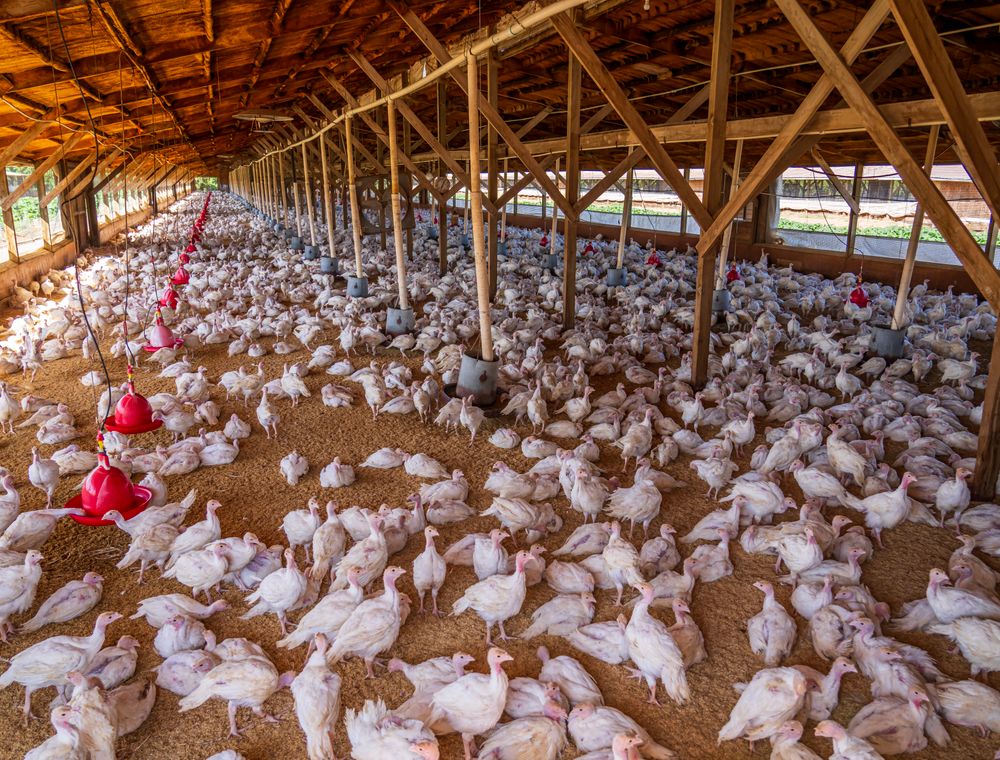
Short answer: Register the business name with the Registrar-General's Department if you trade under a name other than your own, then get a tax identification number from the Ghana Revenue Authority. Check the district assembly's building permit, the EPA's view of your waste and the Veterinary Services Directorate's rules before you build or order chicks. Fees apply, so check current rates at each office and ask each one for its processing time.
Key takeaways
- A business name you trade under needs registering, whatever the size of the flock.
- Choose the structure first. Most single-owner farms start as sole proprietors and change later if they need to.
- Get the district permit and the EPA answer before you build, not after.
- Keep the RGD certificate, the TIN and your batch records in one dry file.
- Fees apply and they change. Check current rates at each office and pay only at official points.
Do you have to register 150 birds behind the house?
The question we hear most from small farmers is whether a flock of 150 birds behind the house counts as a business. It does once you sell. The number of birds does not decide it. The name on the receipt does.
If you sell under your own full name, you may not need a separate business name. The moment you sell eggs or birds as "Sunrise Poultry" or "Kasoa Free Range", you are trading under a business name, and the law expects that name to be registered with the Registrar-General's Department (RGD). Many small farms skip this for years. It becomes a problem on the day a bank, a caterer with a procurement form or a government office asks for a document you do not have.
Registration is the cheap part of starting. The bigger job is making sure the house, the birds you move and the waste you produce all sit inside the rules. Get the order right before you spend. The costly mistakes in poultry registration are almost always about sequence: a shed built before the permit, or birds delivered before the premises are ready to hold them.
Sole proprietor, partnership or company: choose the shape first
Before you visit any office, decide what shape the business will take. The choice changes who signs, who carries the debts when things go wrong, and how much paperwork you file each year.
| Structure | Who owns it | Who carries the debts | Paperwork each year | Suits |
|---|---|---|---|---|
| Sole proprietorship | One person | You personally, including the house and the phone | Annual tax return, records, the business name kept current | A single-owner farm, from a small backyard flock to a few thousand birds |
| Partnership | Two or more people, with agreed shares | Each partner, often jointly | The same as a sole proprietor, plus a written partnership agreement | Two people who put in money and labour and share the risk |
| Limited liability company | Shareholders, run by directors | The company, up to what each shareholder put in | Company filings, accounts and the returns that match the company's size | Outside investors, large contracts or a farm that will borrow heavily |
For most single-owner farms we would start as a sole proprietor. It is quick, cheap to keep and you can change later. The mistake we see with family farms is two people who share the work and the money with nothing written down. If you have a partner, put the agreement on paper before the first order. Settle who pays for feed when cash runs short, who decides when to sell, and what happens if one of you wants out. A limited company makes sense when you bring in outside investors, sign contracts with large buyers or borrow more than you want to carry personally.
Registering the business name at the Registrar-General's Department
The RGD handles business names and company registration. Before you go, check that your preferred name is free and does not look like another firm's. Names that sound like a bank, a government agency or an established brand can be refused, and a refusal means a second trip and another wait.
- Choose two or three names in order of preference. Keep them short, and avoid words that suggest a bank, a ministry or an authority.
- Ask the RGD which services you can start online and which must be done in person at a regional office. Services change, so confirm the current route before you travel.
- Describe the business as poultry farming, and add egg or chick sales if you plan them. The description should match what you will really do, not a wish list.
- Take your GhanaCard, a passport photograph and proof of your business address. Ask the counter which proof of address they accept that day.
- Pay the registration fee at the official point. Fees apply, check current rates before you go.
- Collect the certificate and keep the original in a dry folder. Make a certified copy for the bank and a clean photo for your phone, in that order of importance.
Ask for the processing time at the counter and write it on the form. You will need that date when you plan your first chick order, and a good plan leaves a week or two of slack on either side.
Your GhanaCard, your tax number and the first return
Every serious buyer and every lender will ask for your tax identification number (TIN) from the Ghana Revenue Authority (GRA). Get it once the business name is in place, and use the same name and address on every form. A mismatch between the RGD certificate and the GRA record is one of the commonest reasons a loan file stalls, and it is tedious to correct once the bank has already started its checks.
Your GhanaCard is the anchor for all of it. Put the number on your invoices and receipts, so that a bank officer typing it into a form gets the same spelling you gave the GRA.
Tax is not only for large farms. A sole proprietor files an annual income tax return, and VAT registration depends on your turnover against the threshold GRA sets at the time. Ask for the current figure in writing rather than trusting what a neighbour says at the market. Keep a simple sales record from the first week, because you will need the year's totals at filing time. Our poultry record keeping guide sets out the columns we recommend, and the same sheet makes the return much less painful.
The building permit: ask the district assembly before the floor goes down
Most people build the house and then ask the assembly. That order is backwards. A shed put up without approval can be ordered down, and the cost of pulling a house down is never the figure you wrote on the back of an envelope.
Take a rough site plan to your district or municipal assembly's planning and works office. Ask what they need for a poultry house on your plot, how far the house must stand from the boundary and from neighbouring dwellings, and whether they want a drainage plan. Near Kasoa and in many parts of the Central Region, the trouble we see is a shed on a low corner that floods every rainy season. Raise drainage on the same visit, and walk the plot after a heavy downpour before you commit to a site.

When the permit arrives, keep a copy at the farm. A visiting officer will ask for it, and so will anyone who comes to assess a loss after a storm.
The EPA question and the waste you have not planned for
Litter, manure and dead birds are what neighbours complain about first. The Environmental Protection Agency (EPA) decides whether an operation of your size and type needs a permit, and whether your waste arrangements are good enough. Do not assume a small farm is exempt. Write to the EPA office in your region and ask whether your planned number of birds, your manure store and your washing area need a permit.
Plan the waste before the birds arrive. Where does litter go between batches? Where does a dead bird go on the day it dies, and not the next morning? Dead birds left out overnight are one of the quickest ways to bring rats, flies and disease onto a farm. The EPA will want to know what you do with both, and so should your own biosecurity. Our broiler mortality guide explains why quick, clean removal matters for the flock. For registration, keep a one-page waste plan with a sketch of the manure pit and the burial or composting spot, and date it.
Veterinary Services and moving birds between regions
The Veterinary Services Directorate (VSD) of the Ministry of Food and Agriculture is the office for animal health. You do not need to be a vet to deal with it, but you do need to know what it expects. Ask about registering your premises, the rules for moving birds from one region to another, and what happens if a notifiable disease is confirmed on or near your farm.
If you import birds or eggs, the permits are a separate and much bigger process. Start early and check every step with the VSD. A consignment without the right paperwork can be held at the port for days, and birds do not wait well. Our own stock comes with a batch record, and we send that record with each delivery. Keep it in your business file. Buyers and banks both like to see the vaccination history, and when a vet visits, the record answers in two minutes what would otherwise take an hour of questions.
Write down the name of every officer you speak to, the date, and what they told you. A phone call with no note is a conversation nobody can check later.
Need chicks for your next batch?
Send breed, number and town. We reply with price, hatch date and delivery cost in writing.
A business account and a numbered receipt book from day one
Open a business bank account, or at least a separate mobile money wallet for the farm, and run every sale and purchase through it. Mixing household money and farm money is the fastest way to lose track of what the farm actually earns. It also makes your statements look like a shop with no books, and lenders do not enjoy reading them.
Buy a receipt book with numbered pages and use it for every sale, including the cash ones to the chop bar down the road. Numbered receipts tell a buyer and a lender that you run a business. They also settle the argument when a customer says the money was already paid, and that argument comes up more often than most farmers expect.
The bookkeeping guide on this blog shows the monthly routine that goes with these papers, using a worked month from a guinea fowl unit.
The order to do it in during the first month
Most farmers register in the wrong order and then spend weeks putting it right. This is the sequence we suggest. Times vary by office and by season, so ask each one for its current processing time before you fix a date.
- Decide the structure and choose the business name. Check that it is free.
- Get your GhanaCard in order, because every other office asks for it.
- Apply for the business name certificate at the RGD.
- Ask the district assembly about the building permit and the setback distances, before any digging starts.
- Ask the EPA whether your planned number of birds needs a permit, and write up your waste plan.
- Register for the TIN with GRA and open the business account in the business name.
- Speak to the VSD about premises and movement rules, and keep notes of every answer.
- Only then build the house to the permit, and order your first chicks for the week the house is ready. Our day-old chicks in Ghana page lists what we hatch and import.
Mistakes that cost unregistered farms the most
- Building before the permit. Moving a shed costs far more than building it right the first time.
- Printing labels and a WhatsApp profile under a name the certificate does not match. Use exactly the registered name on invoices, labels and every business profile.
- Leaving the farm's assets in one person's name when the business has two owners.
- Keeping the certificate in a plastic bag beside the feed store. Damp and rodents do not respect paper.
- Assuming one registration covers the next house. A second shed can need its own permit and its own waste plan.
Be wary of anyone who offers to "process" your registration for a fee paid to a personal account. Pay only at an official office, and insist on a receipt that shows the office name and the date.
What a caterer or supermarket will ask for before they order
Supermarkets, hotels, caterers and institutions often want a TIN on the invoice, a copy of the registration certificate and sometimes a tax clearance. Ask a buyer what they need before you quote, not after you have delivered. A caterer who has to explain your missing paperwork to his own accounts team will simply buy from someone else next time.
The same logic applies to the birds you buy. Our about page explains who we are and where the hatchery sits in Opeikuma. Our delivery page shows how we send chicks to all 16 regions. Chicks leave the hatchery on the day they hatch, in ventilated boxes of 50, and the delivery cost is confirmed before you pay. Put the order on your business name, with the TIN on the invoice, and keep the receipt in the same file as your certificate.
Ready to order? Message +233 24 915 1503 on WhatsApp or fill in the order form, and we confirm the price in writing before any money changes hands. Questions about batches and payment are answered on our FAQ page.
Questions farmers ask
Do I need to register a backyard flock of 30 birds?
If you only keep birds for your family table and never sell, you have no business to register. Once you sell eggs or birds under a name other than your own, the rule applies, whatever the flock size. The grey area is the farm that sells now and then and tells nobody. Ask the RGD in person which category you fall into, and write down the answer with the date and the officer's name.
Is a sole proprietorship enough for a poultry farm?
For most single-owner farms, yes. It is cheap to keep, quick to set up, and you can change the structure later as the business grows. Its weakness is liability: debts fall on you personally, including your house and your phone. If you bring in investors, sign large contracts or borrow a significant sum, speak to an accountant or lawyer about a limited company before you commit.
Can I register my business name online?
Check the RGD's current online services, because what is available online has changed over time and may differ for your type of business. If online filing does not cover your case, go in person with your documents and ask for an official receipt. Never send your GhanaCard photo to someone who promises to file for you unless they can show you an official receipt in return.
How long does business name registration take?
It depends on the office, the workload and whether your documents are complete. A clean application with the right name and documents moves faster than one sent back for a missing signature. Ask for the current processing time at the counter, write it down, and plan your first chick order for after the certificate is in your hand.
Do I need an EPA permit for a poultry farm?
Not every farm does, but you should not guess. The EPA decides based on the scale and type of operation, the waste it produces and the location. Describe your planned number of birds, the house size and your waste plan in writing, and ask whether a permit is required. Keep the written reply on file for the day an inspector calls.
Does my farm need a TIN if I earn very little?
Ask GRA directly. The TIN is the identifier that banks, buyers and government offices use, and many people apply early because it makes everything else smoother. Whether you must file returns and pay tax depends on your income and the rules in force at the time, so the GRA office is the place to confirm your position, not a neighbour's opinion.
Who do I ask about moving birds from one region to another?
Start with the Veterinary Services Directorate office in your region. Ask what documents or notices apply to the birds, the vehicle and the destination, and whether any disease restrictions are in force in either area. Keep the answer in writing. When we send a batch, the batch record travels with it, and that record helps if an officer asks about the vaccination history.
Can I get a loan without a registered business?
Most lenders want a registered business name, a tax number and a plan. Some group or microfinance schemes may accept less at first, but the terms are usually harder. The loans guide on this blog lists the documents lenders ask for. Register first, then apply, so you do not have to explain a gap in your papers.


