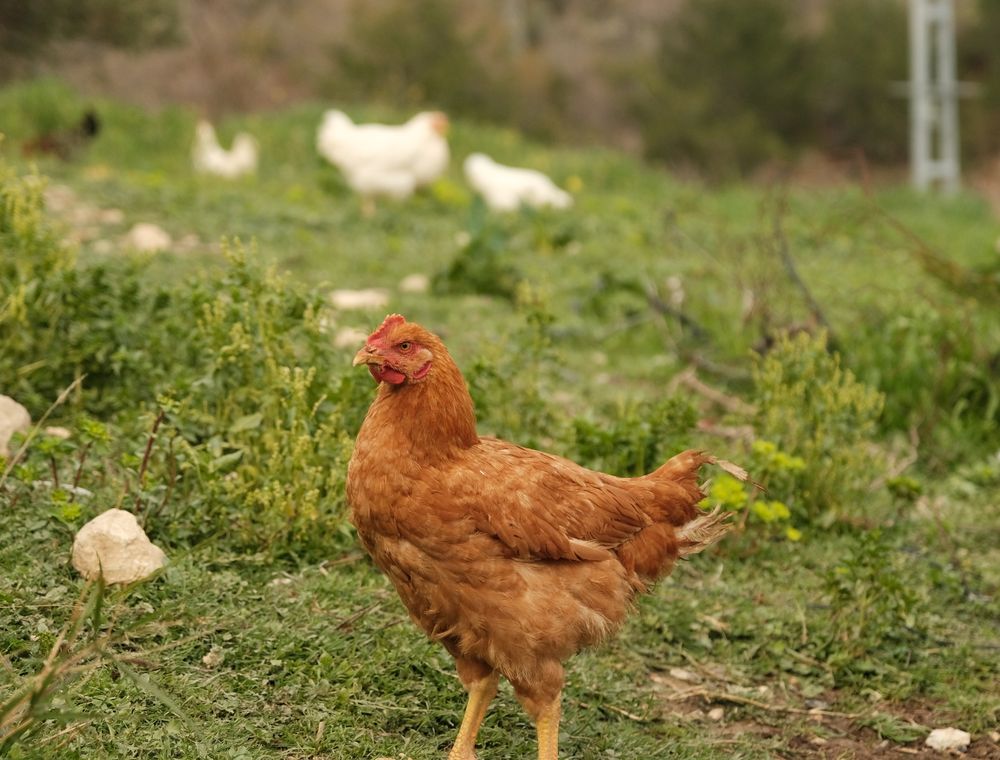
Short answer: Free-range birds will peck at toxic plants, sprayed insects, poisoned bait and treated seed, and a single bad meal can kill several birds within hours. Common Ghanaian plants such as castor, physic nut, thorn apple and oleander are high-risk, as are organophosphate insecticides and anticoagulant rat baits. Walk the range before each move, store chemicals and seed apart from feed, and call your vet at once if several birds fall sick together.
Key takeaways
- Castor, physic nut, thorn apple, oleander and Calotropis are among the plants most likely to harm free-range birds in Ghana.
- Seeds, sap and pods are often more dangerous than leaves, so the parts a bird can crack open matter most.
- Organophosphate and carbamate insecticides and anticoagulant rat baits cause dangerous signs that can mimic disease, so ask the vet to look at the ground as well as the birds.
- Treated seed and reused pesticide sacks are a common and avoidable route into the feed bin.
- Walk the range before every move, keep a record of what you find, and call the vet at once when several birds are sick together.
Free range means the bird eats what you did not plant
Chickens do not read labels, and a castor bean looks exactly like something worth pecking. That is the whole problem in one sentence. A free-range bird samples everything it can reach, including seeds, leaves, berries, grubs that have been sprayed and the bait you set for rats last week. Most of what it tries is harmless. A small amount of what it tries can kill it within hours.
We are not writing this to frighten farmers away from free range. The system has real advantages for flock health, behaviour and the price of the eggs and birds you sell. It does, however, move the risk from a store room you control to a paddock you do not fully control. The farmers who do well on free range are the ones who walk their land as if they were a bird, looking for what might be eaten.
Poisoning rarely starts with a dramatic moment. It starts with one bird that looks off in the morning, then two or three more by evening, and then a sudden death that nobody saw coming. The sooner you connect the pattern to the ground and the feed, the more birds you save.
The plants that cause trouble on Ghanaian land
Many plants common in Ghana are toxic to poultry, and some are grown on purpose as hedges, ornamentals or crops. The list below is not complete, and toxicity depends on the part eaten, the amount, the age of the bird and the season. Treat any of these as a serious risk until you have confirmed otherwise with your vet or a plant specialist.
| Plant | Where you meet it | Why it is a risk | What to watch for |
|---|---|---|---|
| Castor (Ricinus communis) | Hedges, field edges, wasteland, planted as a windbreak | Seeds contain a very toxic protein, and a few seeds can be fatal | Sudden deaths, weakness, diarrhoea, birds found near the plant |
| Physic nut (Jatropha curcas) | Living fences, boundary planting, some biofuel plots | Seeds, sap and leaves contain toxic compounds | Diarrhoea, depression, bloody droppings, sudden death |
| Thorn apple (Datura stramonium) | Waste ground, roadsides, farm edges | Contains alkaloids that act on the nervous system | Agitation, staggering, dilated pupils, dry mouth, convulsions |
| Lantana (Lantana camara) | Hedges, fence lines, scrub near homes | Leaves and unripe berries are toxic | Weakness, diarrhoea, liver damage over time, light sensitivity |
| Oleander (Nerium oleander) | Ornamental hedges around compounds and houses | Every part contains heart-acting compounds | Sudden weakness, abnormal heartbeat signs, sudden death |
| Calotropis (Calotropis procera) | Dry savannah and northern fields, waste land | Milky sap and leaves contain heart-acting compounds | Weakness, breathing trouble, sudden deaths after feeding on it |
| Black nightshade (Solanum nigrum) | Gardens, field edges, vegetable plots | Unripe berries and leaves contain toxic glycoalkaloids | Drowsiness, digestive upset, weakness after eating the berries |
| Crotalaria species | Fallow land, cover crops, roadsides | Seeds and pods contain compounds that damage the liver over time | Slow decline, weight loss, poor growth, sudden death in some cases |

Notice that the dangerous part is often the seed or the sap, not the leaf. A bird that pecks a few leaves may be fine, but a bird that cracks open a handful of seed pods has a much bigger problem. Keep this in mind when you plan which plants go into the fence line and which go into the bin.
Why chickens end up eating the wrong things
Chickens are not stupid, but they are curious and they are hungry for different things at different times. Several conditions push them towards plants they would normally ignore.
- The dry season. When the grass is brown and the insects are gone, birds will peck at anything green or seedy, including plants they would otherwise leave alone.
- Young birds. Chicks and growers test everything. A group of pullets on new ground can find a patch of thorn apple before the farmer has walked the field.
- Cut material. Branches trimmed from a hedge and dropped into the run, or grass cut around a house, can carry poisonous leaves and seed heads into the birds' reach.
- A new paddock. Moving a flock to fresh ground is exciting for the birds and risky for you. You do not know what is growing there until the birds tell you.
- Boredom. Birds kept in small, bare runs will peck at whatever is in front of them, and that includes the wrong plant.
The fix is partly about the plants and partly about the birds. Remove the risky plants where you can, and give the birds safe things to do, such as dust-bathing soil, scratching areas and clean greens they can eat in quantity.
Pesticides on the ground, in the air and in the store
Plants are not the only risk. Pesticides used on crops next door, on the cocoa or vegetable farm down the road, or inside your own house can reach the birds. The main groups behave differently, and it helps to know which is which.
Organophosphate and carbamate insecticides are among the most dangerous to poultry. They affect the nervous system, and birds show salivation, tremors, diarrhoea, weakness, laboured breathing and sometimes sudden death. Some are sold for crop pests and some are used illegally in fishing. Both kinds can kill birds that feed on sprayed insects or pick up residue from a sprayed leaf.
Pyrethroid insecticides are less toxic to birds than the older groups at normal use, but they are highly toxic to fish and bees, and that matters if you keep a pond or a hive nearby. Do not assume that because a product is widely sold, it is safe to spray around the birds.
Rodenticide baits are a quieter threat. The common anticoagulant baits cause internal bleeding, and birds can eat the bait directly or eat a poisoned rat or mouse. Some farmers set bait in the run and then wonder why the birds are bleeding. Keep bait in locked stations that birds cannot enter, and check the stations regularly. Our guide on rodent and snake control sets out safer approaches.
Herbicides are usually lower in risk, but some products contain additives that irritate the birds, and spray drift can burn the leaves that birds eat. Keep spraying away from the paddock, and do not let birds into a field until the spray has dried and the label says it is safe.
Treated seed and the store trap
Seed dressings are one of the most overlooked sources of poisoning. Maize, beans, sorghum and other grains are often coated with fungicide or insecticide before planting, and the coating is usually coloured so that people do not eat it by mistake. A bag of dyed grain that found its way into the feed bin can poison a whole flock, and the birds will not know the difference.
Never feed treated seed to birds, and never store it beside feed. If a bag of grain has a bright pink, blue or green colour, or smells of chemical, treat it as hazardous and do not use it. Keep seed bags on a separate shelf, labelled, and keep them off the floor where a spill can reach the feed.
Pesticide containers have their own trap. An empty container that once held a chemical is not safe to reuse for feed, water or anything else. Rinse it as the label says, and dispose of it through the approved route rather than burying it near the run. The same goes for the sacks used to carry crop protection products. A sack that smelled of spray can leave residue on the next batch of feed poured into it.
The rule we give farmers who ask us about storage is simple: the feed store should contain only feed, and anything else should be kept far enough away that a spill cannot reach a sack. Our guide to mixing your own poultry feed covers store hygiene in more depth.
Recognising poisoning in the flock
Poisoning has a pattern, and once you know it, you can often spot it faster than a disease. The key features are that several birds are affected at once, they were fine the day before, and the signs come on quickly after a change in feed, ground or routine.
| What you see | What it may point to |
|---|---|
| Several birds go off feed and die within hours of moving to new ground | A toxic plant or contaminated grass in the new paddock |
| Salivation, tremors, staggering and laboured breathing | Organophosphate or carbamate exposure, or a nervous-system plant |
| Bleeding from the gums, bruising or sudden weakness after bait was set | Anticoagulant rodenticide |
| Dilated pupils, agitation and convulsions | Thorn apple or a similar alkaloid plant |
| Diarrhoea, weakness and sudden deaths after feed change | Treated grain, contaminated feed or a toxic seed |
| Slow decline over weeks, poor growth and yellowing | Chronic plant toxicity, such as liver damage from certain plants |
Compare this with a disease. An infectious disease usually spreads from bird to bird over days, starts with a few birds, and often comes with fever signs or respiratory problems. Poisoning often hits many birds in the same few hours, and the birds that die may have been the ones that ate the most of the thing. Neither rule is absolute, which is why a vet should look at the birds and the ground.
Check the range before you open the gate
Walk the paddock before you move a flock onto it, and again after every rainy spell, because new growth can appear overnight. This takes twenty minutes and it can save a flock.
- Walk the whole area, including the fence line, the drainage ditch and the edges of any old building.
- Identify each plant you do not know, and ask someone who does, or photograph it and take it to your vet or the agricultural extension office.
- Remove or fence off castor, physic nut, thorn apple, oleander, Calotropis and nightshade wherever they grow inside the range.
- Check for seed heads and pods that the birds can reach, and cut them before they set.
- Look for any bait station, poisoned grain, or sprayed material that birds could reach.
- Ask neighbours when they spray, and whether they use anything that drifts.
- Check that feed, water and grit are in place, so birds are not forced to forage for food they should not eat.
- Note the date and what you found in your record, so you can compare later.
If you buy new birds from us, they will arrive in a ventilated box and will need a clean, safe brooder and run from the first day. Our free-range farm setup guide explains how to lay out a range that is easier to check.
What to do the moment you suspect poisoning
The first hour matters. Your instinct may be to rush to a shop for medicine. Resist it. The right response is to stop the exposure, get the vet in, and keep the evidence.
- Move the healthy birds out of the suspect area, into a clean pen with fresh water and safe feed.
- Remove the feed, water and grass the birds were eating from the suspect area, and keep a sample of each in a clean sealed container.
- Collect a sample of the suspect plant, with its leaves, seeds and pods, and label it with the date and place.
- Call your vet immediately and describe the signs, the number of birds affected and what changed in the last 48 hours.
- Keep any dead birds cool, not frozen, for a post-mortem.
- Do not give antidotes, purgatives or unknown medicines without advice, because some can make the poisoning worse.
- Do not eat, sell or give away any bird that may have been poisoned, unless your vet has confirmed it is safe.
Your vet may advise supportive care, such as clean water, rest and a suitable diet, and may use a specific treatment where one exists for the poison. Some poisons have no antidote at all, which is why prevention is so much more reliable than treatment. Ask your vet to record the case, because a single report can help other farmers in the area spot the same plant or product.
Need chicks for your next batch?
Send breed, number and town. We reply with price, hatch date and delivery cost in writing.
Making the range safer without making it smaller
The answer to plant poisoning is rarely to give up free range. It is to design the range so that the risky things are out of reach and the safe things are abundant.
Start with the fence line. Replace castor, physic nut and oleander hedges with plants that are known to be safe for birds, or with a plain fence that the birds cannot reach over. Keep the edge of the run clear of seed-heavy weeds. Then think about the paddock. Rotating the birds around several smaller paddocks lets grass recover, keeps birds off the worst ground and gives you time to walk each area before the flock arrives. Our guide to paddock rotation sets out a simple plan.
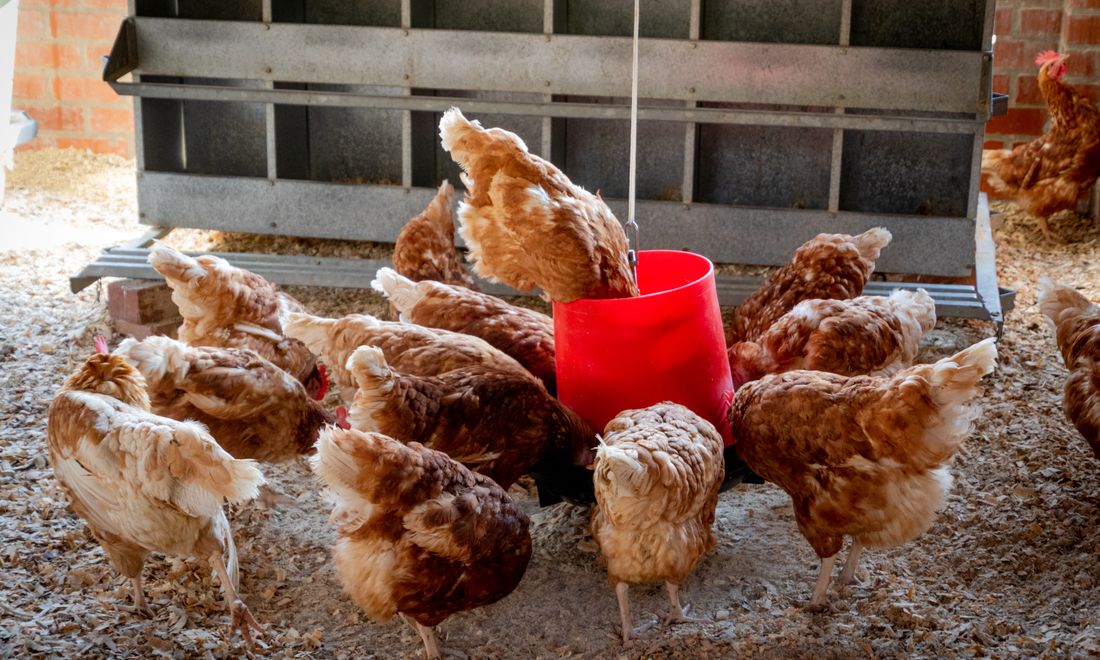
Give birds a safe green supply. Clean, fresh greens they can eat in quantity reduce the urge to peck at unknown plants. Many farmers grow a small patch of greens near the house and cut it for the birds, and it is easier to control what they eat when the choice is narrow and known. Feed the greens alongside a balanced diet rather than instead of one. Our guide to feeding free-range chickens covers the mix.
Finally, think about shade and shelter. Birds that are hot, bored and crowded will forage more widely and more recklessly. A sheltered area with dust-bathing soil and scratching material gives them somewhere to be that is not the edge of the range. Our guide to the best chickens for free range helps you choose birds that suit the system.
Neighbours, spraying and the law
Pesticides are a shared risk. A neighbour who sprays the cassava field on a windy morning can poison your birds two fields away. Talk to the people around you before the problem happens. Ask them to spray in the calm early morning or the late afternoon, away from the birds' feeding times, and to tell you before they use anything strong. Most farmers will agree to that when they understand the cost to their neighbours' flocks.
Pesticides in Ghana are regulated. The Environmental Protection Agency oversees registration and the safe use of chemicals, and the Ministry of Food and Agriculture provides advice on crop protection. Use only products that are registered, follow the label for dose, timing, protective clothing and the waiting period before birds are allowed onto treated ground, and store products locked, dry and away from feed. Check current requirements with those bodies rather than relying on an old sack or a friend's advice.
Keep a simple record of anything you spray yourself, including the product name, the date, the area and the time you let the birds back in. If your flock is poisoned, that record is the first thing your vet will ask for.
After a poisoning: what to keep and what to throw away
Once the immediate danger has passed, there are still decisions to make. Birds that have eaten a toxic plant or pesticide may recover, may be left with lasting damage, or may die later. Do not assume a bird that stands up is fully recovered. Watch the flock closely for several days, and keep the record of every new sign.
Food safety matters too. A bird that died or was treated with medicine during an illness should not go into the pot or onto the market until your vet has confirmed that it is safe. The same applies to eggs from birds that were very sick. If you are unsure, do not sell it. A short loss is cheaper than a customer's illness.
Clean and rest the area. Remove the plant or product from the paddock, dispose of the remains through an approved route, and leave the ground resting before the flock returns. Then record what you learned, and write it into your plan for the next season.
- Keep the flock in a safe pen for several days and watch every bird.
- Do not sell or eat any bird or egg from a sick flock without your vet's clearance.
- Remove the toxic plant or product and dispose of it safely.
- Record the cause, the date and the number of birds lost.
- Review the paddock plan before the next move.
If you need more birds to rebuild a flock, our breeds page compares the options, our day-old chicks page explains what we supply, and our order form is the quickest way to start. Message us on WhatsApp at +233 24 915 1503 for the availability of a particular breed, and to ask how a replacement batch fits into your rebuilding plan. The FAQ covers how delivery and dead-on-arrival replacement work for birds that have been stressed in transit.
A short list for the farmer who wants to start free range
If you are planning free range for the first time, the risks above can look overwhelming. In practice, a few habits cover most of them. Start with a walk of the land before you buy birds, and make a list of the plants you find and what you intend to do about each. Build the feed store and the pesticide store in two different places from the start. Set the first paddock small enough that you can check every corner in a morning. Once the flock is on the ground, keep a daily habit of counting birds and walking the edges.
The farmers who do best are not the ones who never lose a bird. They are the ones who notice early, act quickly and learn from every loss. Write it down, talk to your vet, and keep your range under watch.
Questions farmers ask
Is a castor plant dangerous if the birds only peck the leaves?
Treat the whole plant as dangerous. The seeds are the most toxic part and a few can kill a bird, but the leaves, stems and seed pods also carry risk. Birds are not reliable at avoiding the part that harms them. Remove castor from the range or fence it off completely, and ask your vet about any bird that has been seen eating it.
Can I feed cassava leaves to my birds?
Cassava leaves are used as poultry feed in many systems, but raw cassava and peel contain compounds that can release cyanide, so they must be processed properly before use. Our article on <a href="/blog/cassava-leaf-meal-poultry-ghana/">cassava leaf meal</a> explains the processing steps, and our note on <a href="/blog/cassava-in-poultry-feed-ghana/">cassava in poultry feed</a> covers the wider picture. If you are not sure whether your preparation is safe, ask a feed specialist or your vet before feeding it to a flock.
How quickly does poisoning show up in birds?
It varies with the poison and the dose. Some toxic plants and pesticides act within hours, which is why several birds can die the same day. Slower poisons, such as some liver-damaging plants, take days or weeks. A flock that was fine yesterday and is sick today should be looked at as a possible poisoning until the vet says otherwise.
What if I find a dead bird in the paddock?
Do not throw it on the compost or eat it. Keep the bird cool, avoid touching the mouth or crop area with bare hands, and call your vet. Note where you found it, what plants were nearby and whether other birds are unwell. A post-mortem can often show whether poison or disease was the cause.
Is a bird that has recovered from poisoning safe to eat?
Not until your vet has confirmed it. A bird that was treated with medicine or exposed to a toxin may still carry residues. Follow the withdrawal advice your vet gives for any medicine, and do not sell eggs or meat from a flock that was very sick until the vet has cleared it.
Can I spray pesticides near my birds if they stay in a different pen?
Only with great care. Drift can reach a pen and birds can eat sprayed insects or leaves. Use only registered products, follow the label on timing and waiting periods, store the chemicals locked and away from feed, and keep the birds out of treated areas until the label allows it. Check current rules with the EPA or the Ministry of Food and Agriculture.
Do I need to tell my neighbours if I am worried about their spraying?
Yes, and it is usually better to talk early than to wait for a loss. Explain which days the birds range nearest their fields and ask them to spray when the birds are shut in, in calm weather, and to tell you in advance. Most neighbours will agree when they understand the risk to their own flocks and to the people who eat the eggs.


