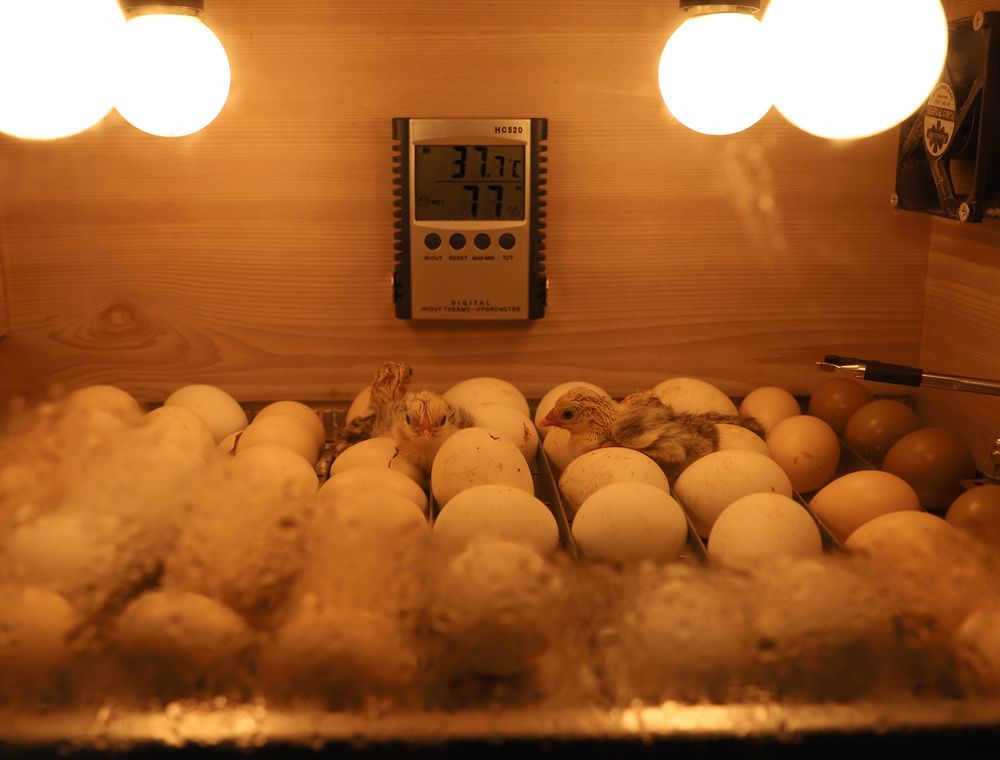
Short answer: Breeding geese in Ghana starts with a steady gander and a small group of females, then depends on daily egg collection and an incubation of 28 to 30 days. Goslings need warmth, dry bedding and water they can dip their bills in without drowning, and they move from starter feed to grazing over the first weeks. Halaal Farms does not hatch or sell goslings, so use this as a guide to the breeder you buy from or the flock you plan to build.
Key takeaways
- Keep one gander to a small group of females, and watch him closely when the eggs start to come.
- Collect eggs every day, store them cool and clean, and set them within about a week.
- Count 28 to 30 days from the first setting, and turn the eggs at least three times a day until the last few days.
- Brood goslings warm and dry, with water shallow enough that they cannot drown in it.
- Move goslings to grazing gradually, and keep a record of every pair, clutch and gosling.
The gander is the first thing to fix, and the last thing people check
Most people buying geese for breeding think about the females first and the gander second. That order is backwards. A gander that is too rough, too old or too young can break eggs, injure the females and stop the flock from mating properly. No amount of feed will fix a bad gander, so choose him with the same care you would give the whole flock.
You want a gander that is calm with people, steady with the females and not in the habit of chasing them round the run. Look for a bird that walks rather than charges. A gander that stays on the backs of the females for long stretches, or holds one down by the neck, is wearing them out and cutting the number of fertile eggs.
When you buy, watch the birds together for at least ten minutes. Note how the gander treats the females at the feeder, and whether any female is kept off the water or the food. A sound flock looks ordinary. A problem flock looks busy.
Breed for temperament, size and where the birds will sell
Breed choice depends on what you want at the end: eggs, a larger carcass or a bird that guards the yard. Our breeds page lists the poultry we hatch, which is a useful comparison while you decide what suits your land. Heavier breeds grow slowly and need more grazing and more shelter. Lighter breeds tend to lay more often but produce smaller goslings. Ask the breeder for the size of the parents, the number of eggs the females laid last season and whether the birds have been kept on pasture or in a pen.
A goose raised in a pen can struggle on hot pasture, and a goose raised on pasture can be slow to settle into a pen. Ask which one your birds have known, and plan the move before the breeding season, not in the middle of it.
Check that the birds are sound on their feet, with bright eyes, clean vents and no swelling round the eyes or the bill. Sick geese often sit apart from the flock and stop feeding before anyone notices, so a bird on its own in the corner deserves a second look.
Pairing ratios, and why the numbers matter
A gander with too many females spreads his attention too thinly, and some females will go unmated. A gander with too few can turn aggressive towards the one he has. The table gives typical starting points. Treat them as a starting place and confirm them with the breeder who sold you the birds, because lines and breeds differ.
| Flock type | Gander to females (typical start) | What to watch |
|---|---|---|
| Light breed, kept in a pen | 1 to 2 or 1 to 3 | The gander may chase more, so check the females' backs and necks each week |
| Heavy breed, kept on pasture | 1 to 3 or 1 to 4 | Females need room to get away from the gander and from one another |
| First-time flock or mixed ages | 1 to 2 | Easier to manage while you learn how your birds behave |
Replace or rest a gander that has become too rough, and do not keep a gander that is damaging the females just because he is handsome. A new gander from a different line every couple of seasons also helps keep the flock out of trouble with close breeding.
Collecting and storing eggs for setting
Collect eggs at least once a day, and more often in hot weather. Eggs left in a nest through the afternoon get dirty, cool and sometimes cracked by a female that is settling. Handle them with clean, dry hands. Do not wash them unless they are visibly soiled. If you must wash one, use warm water, then let it dry before you put it away.
Store eggs with the pointed end down in a cool room, away from direct sun and away from the smell of feed and litter. Set them within about a week. The longer an egg waits, the lower its hatch, and a goose egg stored for two weeks may hatch poorly even in a good machine.
Label every egg with the date it was laid and the female that laid it. Once you have several females, the labels show you which ones lay eggs that hatch, and that is the information you need before you choose your next breeders. If you need fertile eggs for your own setting on the poultry side, our fertile eggs page lists what we can offer.
The 28 to 30 day clock, and the incubation timeline
Goose eggs take 28 to 30 days to hatch, depending on the breed. They are larger and thicker-shelled than chicken eggs, so they lose moisture more slowly and need a different plan. Set the machine to the temperature you use for chicken eggs, around 37.5 °C, and check the reading at egg level, not at the top of the cabinet where the thermometer often sits.
| Day | What to do |
|---|---|
| Day 1 | Set the eggs, label the tray and note the date and the machine temperature |
| Days 1 to 25 | Turn at least three times a day, and keep humidity on the low side of your machine's range |
| About day 7 to 10 | Candle the eggs and remove any clear, infertile ones |
| About day 25 to 26 | Candle again, raise humidity for the hatch and stop turning |
| Days 28 to 30 | Hatching window, and no opening the machine except to check on the hatch |
| After the hatch | Leave goslings in the machine until they are dry and fluffy, then move them |

Expect the hatch to spread over a day or two. Do not open the machine to help a gosling out of its shell. A gosling that is struggling and has not started to pip may need a check from someone who knows the breed, but a gosling that is already zipping its way through the shell should be left alone.
Humidity, turning and candling a goose egg
Humidity is where most goose setters go wrong. Too dry in the first three weeks and the gosling shrinks its air space too little and grows weak. Too wet and the gosling is slowed and the membrane sticks. Use a hygrometer, not a guess, and keep the machine within the range the maker gives for the first three weeks. Raise it for the last few days before the hatch, and then leave it alone.
Turn the eggs at least three times a day, on a regular schedule, and mark one side with a pencil so you can see whether the turner is doing its job. Stop turning on the last few days, when the gosling needs to settle into the position it will hatch from.
Candle the eggs to see what is happening inside. Around the first week, a fertile egg shows a network of veins and a dark centre. A clear egg is infertile. Around the last few days, a healthy gosling fills most of the egg and moves. An egg that goes still, or shows a dark ring of dead embryo, should be removed so it does not contaminate the others.
Hatching with a broody goose or in a machine
A broody goose is a good hatcher. She sits steadily, turns the eggs herself and needs very little attention. Her weaknesses are predators, dust, rain and the fact that she may leave the nest for long periods on a hot day. Provide a quiet, covered nest on the ground, away from the flock, with food and water within a few steps. Check that she eats and drinks each day, and that the eggs stay under her.
A machine gives you control over temperature and humidity and lets you set many eggs at once. Its weakness is that a small error in temperature or humidity can repeat across the whole batch. If you would rather hand the setting to someone with a proper hatchery, our egg hatching service page explains that route for the eggs we handle. Many keepers manage well in a chicken machine for their first season, provided they check the reading at egg level and log the temperature twice a day.
Whichever method you use, keep notes. A hatch that drops from good to poor usually has a cause you can find if the record is there.
The first 48 hours of a gosling
A newly hatched gosling should dry fully before it moves. Keep it in a warm, dry box, out of draughts, until its down is fluffy and it stands steadily. Most goslings will be ready to move within a day of hatching, though the timing depends on the hatch.
Within the first day, the gosling absorbs the remaining yolk, which carries it through the first days of life. Offer clean water and a starter feed at once. A gosling that is not drinking in the first day is a warning sign, and it should be checked. Dehydration in the first forty-eight hours is one of the quieter causes of early loss.
Make sure the navel is dry and closed. A navel that is wet or swollen can carry infection into the gosling, and a vet should look at any gosling that has a red, swollen or smelly navel.
Brooding goslings in a Ghanaian house
Brood goslings in a clean, dry house with a source of heat for the first weeks. Start the brooder at about 30 to 35 °C and lower it by a few degrees each week, until the goslings are fully feathered and the house is at ambient temperature. The goslings tell you whether the setting is right. Spread out evenly across the brooder means the temperature suits them. Huddled together near the heat means they are cold. Crowded in a pile and calling means they are too cold, or the brooder has a draught.

Use dry, clean bedding such as wood shavings or rice husk, and keep it fresh. Damp bedding grows mould, and mould is a common cause of breathing trouble and early loss in young birds. Keep the house away from wind, and protect the goslings from rats and cats, which will take a gosling in a single night.
Ghanaian nights can drop sharply in the harmattan, and the brooder that works in October may need more heat in December. Check the goslings at dusk and again before dawn, and adjust the lamp or the heater before the cold reaches the house. Our brooder ring setup guide shows one simple way to keep warmth close to young birds, and it works for goslings as well as chicks.
Need chicks for your next batch?
Send breed, number and town. We reply with price, hatch date and delivery cost in writing.
Feeding goslings from hatch to grazing
Start goslings on a starter crumble with a protein level around 20 per cent, and read the bag or ask the feed miller to confirm it. Offer the crumble on a clean, low tray that the goslings can reach easily, and keep it dry. Goslings eat little and often, so top the tray up through the day rather than filling it once in the morning.
From the first week, add finely chopped green leaves such as lettuce, kale or cabbage leaves, and fresh grass cut short. Greens add bulk, moisture and vitamins, and they teach the goslings to forage. Do not give anything dusty, mouldy or stale, and remove any uneaten greens before they wilt.
Move the goslings to a grower feed after about four weeks, and let them start grazing properly once their feathers are through. Grazing is the cheapest feed a goose will ever eat, but it works only when the grass is clean and the birds have room to move. If you mix your own feed for the grower stage, our poultry feed formulation basics explains how protein levels are worked out, which helps when you compare bags. Add grit when the birds are on grass, because a goose without grit struggles to grind its food.
Water, drowning and the wet-feather problem
Goslings need water to clean their nostrils and bills, and they will try to dip their heads in it from the first day. That is good behaviour, but water that is too deep is a drowning risk, and a gosling that gets wet and then chilled can die quickly. Give water in a shallow tray with clean pebbles or a rough-surfaced base, so the goslings can dip their heads without going under. Change the water twice a day in the first week, because wet, dirty water is one of the fastest routes to a gut or navel infection.
Adult geese love water and will spend hours in a pond or a deep trough if you let them. Once the goslings are older, a shallow pond or a wide tub with a low edge gives them a safe place to swim. Keep an eye on the water quality, and drain and refill any tub that goes green or smells.
The wet-feather problem is simple to avoid and easy to miss. A gosling that comes out of water with wet down, or that is rained on in an open run, must be dried and warmed at once. Put it under the lamp in a box until it is dry. A chilled gosling that looks fine can be in trouble within the hour.
Losses in the first fortnight, and how to read them
Some losses are normal. A keeper who loses no goslings at all is either lucky or not counting. What matters is the pattern. Several goslings found cold in the same corner point to draught or a failed lamp. A run of deaths with dull, staring birds and watery droppings suggests a water or feed problem, or an infection that needs a vet. Birds that stop feeding and sit hunched should be isolated and checked the same day.
Keep a note of every death: the date, the age, the apparent cause and the condition of the body if you can see it. Your vet can use that record, and it is the best way to tell a bad batch from a bad house. Ask your vet which vaccines or preventive steps are used for geese in your area, because the programme that suits chickens is not automatically right for waterfowl.
Choosing your next breeders from your own goslings
The best breeders are often the goslings that grew well, stayed sound and laid young. Keep records from the hatch onwards, so that when the breeding season comes round you can pick from the birds you know. Do not mate full siblings for many generations, because close breeding brings weaker, slower and less fertile birds. Bring in a new gander from a different line every couple of seasons.
Think about the buyers too. A keeper who sells goslings for meat will want a fast, steady bird. A keeper who sells breeding stock will want temperament and laying. Decide which market you are serving before you choose the birds, because the two markets reward different traits. Halaal Farms works with farms on longer relationships, and you can read about partnering with us if you are building a larger operation.
If you are also raising other birds on the same farm, our guide to pigeon breeding and loft design sets out a similar approach to pairs and records, and our general guide to raising geese covers grazing, guarding and meat. This article stays with the breeding and the rearing.
Checklist for the breeding season
- Check the gander and the females together for at least ten minutes before the season starts.
- Set up a quiet nest area on the ground, away from the flock, for any broody goose.
- Collect eggs at least once a day, and label each one with its date and female.
- Store eggs cool and pointed end down, and set them within about a week.
- Check the incubator temperature at egg level and humidity with a hygrometer.
- Candle around day 7 to 10, remove infertile and dead eggs, and candle again near the hatch.
- Prepare a dry, warm brooder with a lamp, clean bedding and shallow water before the first gosling hatches.
- Write down every pair, clutch, hatch and loss in one book that stays on the farm.
Questions farmers ask
How long do goose eggs take to hatch?
Most goose eggs take 28 to 30 days in the incubator, depending on the breed. They are larger and thicker-shelled than chicken eggs, so the humidity plan differs. Candle the eggs during incubation, remove any that are clear or dead, and expect the hatch to spread over a day or two.
How many females can one gander cover?
A typical starting point is one gander to two, three or four females, depending on the breed and whether the birds are kept in a pen or on pasture. Watch the females' backs and necks each week, and if one is being damaged, separate her or change the ratio.
Do geese lay all year round in Ghana?
Not reliably. Many geese lay in batches, and the season depends on the breed, the feed, the light and the age of the birds. Keep records for at least a full year before you plan sales or hatch dates around the expected laying.
Can I hatch goose eggs in a chicken incubator?
Often yes, with adjustments. Goose eggs are larger and thicker, so check the temperature at egg level, manage humidity carefully and allow for a longer hatch. A reliable turner helps a great deal. Keep a log of temperatures twice a day during the first season.
What should goslings eat in the first two weeks?
Start with a starter crumble with a protein level around 20 per cent, offered on a clean, low tray and kept dry. Add finely chopped greens from the first week and keep clean water in a shallow tray. Move to a grower feed after about four weeks, and let them graze once their feathers are through.
How warm should a gosling brooder be?
Start at about 30 to 35 °C in the first week and lower the temperature by a few degrees each week. Watch the goslings: spread out evenly means the setting is right, huddling near the heat means they are cold, and a pile or constant calling means they are too cold or there is a draught.
Does Halaal Farms supply goslings?
No. We hatch and import chicks for chickens, guinea fowl, turkeys and quail, and we do not sell goslings. For the poultry side of your farm, see our <a href="/day-old-chicks-ghana/">day-old chicks page</a> or message us on WhatsApp at +233 24 915 1503 to talk through what you need.


