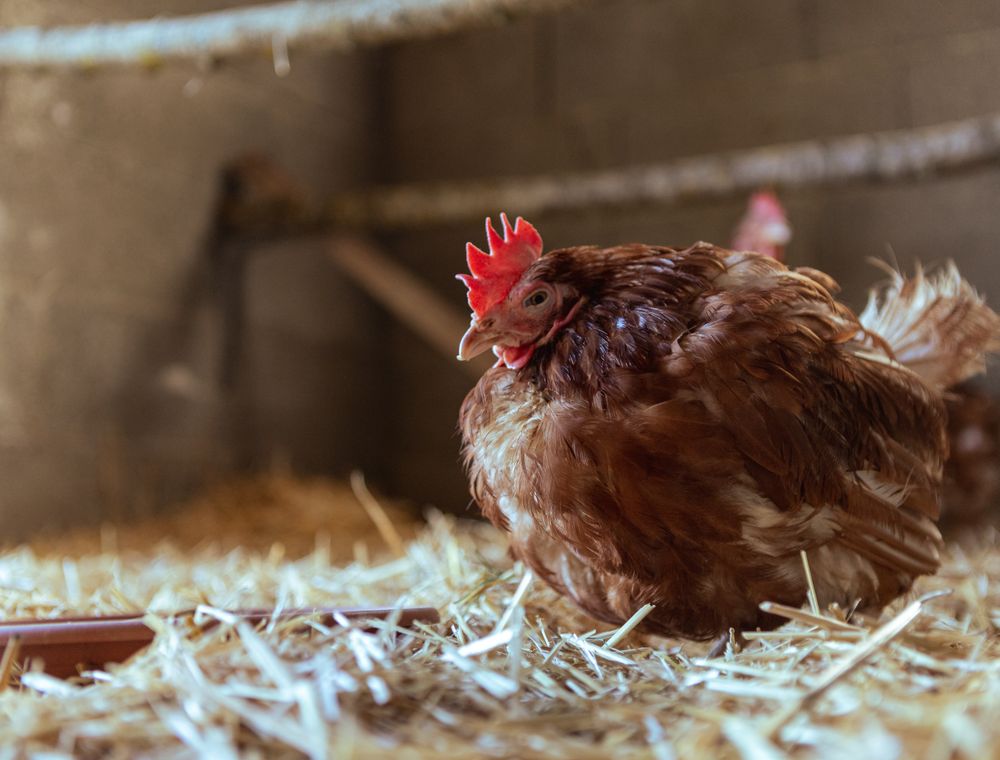
Short answer: Bumblefoot is a bacterial infection in the pad of the foot that usually starts with a scratch or puncture from a sharp edge or a hard landing. It shows up as a swollen, hot foot with a dark scab, and the bird limps or sits more than she should. Early cases can settle with rest and clean dry litter, but a deep abscess needs your vet to open and clean it, so follow your vet's advice on any treatment.
Key takeaways
- Bumblefoot starts with a wound you probably never saw. Look for a dark scab on the sole, not just a swollen foot.
- Heavy birds, birds that jump down from height and birds on rough or wet floors get it most.
- Lower perches with a flat top are the single cheapest prevention in a shed.
- Do not squeeze the core or dig at it. Pressing spreads the infection into the foot.
- Wash your hands after handling an affected bird and cover any cut you have.
The small cut that becomes a lame hen
Bumblefoot almost always starts with a puncture nobody saw. A hen lands hard off a roost, or steps on a sliver of wire or a sharp stone, and the sole of the foot takes a small wound. The bacteria get in. Two or three weeks later you notice she is standing on one leg, or that she sits in the nest box longer than the others.
By then the damage is under the skin. The foot is swollen, the pad has a hard dark scab and the bird has stopped walking about. Farmers often think the trouble is in the leg, or that she has been injured by a fight. Turn the foot over and look at the pad before you decide that.
What is going on under the scab
Bumblefoot, or pododermatitis, is an infection of the skin and tissue on the bottom of the foot. The usual culprit is a staphylococcal bacterium that lives harmlessly on many birds and in many yards, and it does damage when it gets into a broken pad. The body walls the infection off, and over time the walled-off pus builds into a hard core, often a yellowish or dark plug under the scab.
That core is the reason a bumblefoot that looks small on the surface can be deep underneath. It is also why the bird hurts so much when she stands. The pressure of her body on the foot pushes against the swollen tissue every time she takes a step. A sore foot in a hen that is also eating less is a bird losing condition, and she will fall further behind the others each week.
Who gets it, and why Ghanaian yards make it worse
Heavy birds are the main victims. A Brahma, an Orpington or a big cockerel carries more weight on each foot, and each landing from a height hits harder. Our Brahma guide makes the same point about feathered feet and heavy bodies. Overweight birds in a backyard that feeds mostly on scraps are at risk for the same reason.
In Ghana the surfaces are the second cause. Hard-packed earth with sharp gravel, bare cement with chipped edges, and bamboo or timber perches cut with a blunt blade all leave small wounds. Wet yards are worse, because a scratch that would close in dry litter stays open in mud. The hens that free-range over rocky ground, or scratch around an old building site, get more of these cuts than the ones kept on clean, dry litter.
Jumping is the third. A bird that flies off a high roost or a wall lands on the heel and the pad with her full weight. Keep an eye on the tallest perch in the shed, because it is usually where the hard landings happen.
Signs to check on your weekly foot round
Bumblefoot is much easier to treat early, and a weekly foot round catches it before the bird is lame. You need about a minute a bird. Pick up each hen in turn, turn her foot over and look at the pad. Most people skip this step, which is why most cases are found when the bird stops walking.
- A dark or black scab on the pad, often the size of a pinhead at first.
- Swelling on the sole or the top of the foot, which may feel warm.
- A bird that stands on one foot, lifts the other or shifts her weight constantly.
- Reluctance to climb onto the roost or to walk to the feeder.
- A bird that sits in the nest box longer than usual, or stays alone in a corner.
Watch the whole foot, not only the scab. A small hole with a scab over it can hide a core that is growing under the skin. If you see any of these signs, note the bird's ring or wing tag if she has one, and mark her in the flock record so you can check her the next day.
Stages: what you can handle and what needs a vet
The stages help you decide how urgent it is. Early cases can often be managed on the farm with rest and clean litter. Deeper cases need your vet to open and clean the abscess, and waiting too long makes that job harder and the outcome less certain.
| Stage | What you see | What to do |
|---|---|---|
| Early | Small dark scab, bird still walking and eating | Isolate, clean the foot, move to soft dry litter, recheck daily |
| Established | Swollen foot, bird limping, a visible core under the scab | Isolate, call your vet, follow the advice on opening and cleaning |
| Advanced | Bird not standing, not eating, weight falling | Vet visit the same day, humane culling if she does not respond |
| Flock-wide | Several birds with feet problems in one week | Check perches, floors and litter, call the vet about the pattern |
The flock-wide row matters most. One bird with bumblefoot is a wound. Five birds with it in a week is a shed problem, and the perch, the floor or the yard has to change before the next lot gets hurt.
First aid before the vet arrives
Start by moving the bird into a clean, separate pen with soft, dry litter. Remove the sharp perch or wire from her space. Clean the foot gently with clean water and a mild antiseptic solution, and pat it dry rather than rubbing. Keep her away from the drinkers and the feeders for a day or two so she can rest.
Do not dig, scrape or squeeze the scab, however tempting it is. A hard plug under the surface will push the infection further into the foot if you press on it. Do not give any antibiotic from the shelf or a neighbour's bottle, and do not guess at the amount. Follow your vet's advice on whether the core needs to be opened, how the foot should be dressed and whether any medicine is needed at all. A proper clean-out by your vet is quicker and kinder than a dozen home attempts.
Why the core keeps coming back
Many farmers tell us the bumblefoot came back after treatment. Usually the core was never fully removed. A scab sealed over the top, the bird looked better for a week and then the pressure built up again. The fix is a clean removal of the core and a proper dressing, which is why a vet's hands are worth paying for on a valuable bird.
Keep the bird on soft dry litter while the foot heals, and do not put her back on a hard perch until the vet says she is ready. A hen that climbs the roost too soon will press the healing pad against the wood and open the wound again. Patience at this stage saves a second round of work.
Perches, floors and the everyday causes
Prevention is mostly building. A perch made from a round pole gives the bird a narrow grip that presses the pad hard. A flat board, about the width of the bird's foot and with the edges rounded, spreads the load. Set the perches low, usually no higher than a hen can hop to from the floor without a hard landing, and place a soft landing area of dry litter below any higher roost.
Keep the floor dry and clean, because wet litter softens the pad and lets the bacteria in. Remove sharp wire, broken bottles and rough cement edges from the yard. In the rainy season, move feeders and drinkers to firm, dry ground, so the birds are not standing in mud for hours. The housing designs guide is the place to compare shed layouts before you build. The deep litter notes explain how to keep the floor soft and dry without letting the wet patches build up.
Need chicks for your next batch?
Send breed, number and town. We reply with price, hatch date and delivery cost in writing.
Weight, breed and the feed that adds it
A heavy hen puts more load on each foot, and an overweight one lands harder every time she jumps down. In a backyard, the usual cause is a diet built on scraps and maize with little movement. Hens that are getting too fat need more room to forage and less easy food. Keep the treats small and give the feed at set times rather than all day.
Breed matters as well. The heavy birds are the ones we see with the worst feet, and they are the ones that benefit most from a low perch and a soft floor. If you are choosing a breed for a yard with rough ground, look at the breeds for Ghana's climate guide before you buy. Lighter, more active birds tend to cope better with uneven ground, though none of them is immune to a cut. Our breeds page sets out the birds we sell.
Worked example: a hen with a bad foot
A bird with bumblefoot often looks like a cheap problem. She is only one hen, and a course of care costs little. The real cost is in her laying. A hen that will not walk to the nest box does not lay in it, and a hen that is not eating does not lay at all.
Consider the replacement. A Hy-Line Brown day-old chick is from GH₵23 each (the box of 50 is GH₵1,150, see the price list). That is a small sum, but she will not start laying until about 18 to 20 weeks, so the new bird needs four or five months of feed and care before she earns her keep. A hen that has been laying well for a year and can be saved is worth more than the chick, even allowing for the vet's fee.
The sum changes if the hen is old, or if the infection is advanced and the vet cannot save the foot. Then culling her humanely and keeping the flock healthy is the sensible choice. The point is to decide with the facts in front of you, not to let the decision make itself by default.
A weekly foot-check checklist
- Pick up every hen in turn and look at both feet, pad and top, once a week.
- Note any birds with scabs, swelling or uneven weight and record them with the date.
- Check each perch for splinters, sharp edges and height against the floor.
- Remove any wire, glass or sharp stones from the run and the yard. The biosecurity notes cover keeping the yard clean between flocks.
- Look at the litter under the perches and by the feeders for wet, caked patches.
- Keep the feeders and drinkers on firm, dry ground in the rainy season.
- Isolate any bird with a swollen foot the same day and clean her pen.
- Call your vet if two or more birds show the same signs in one week.
When a bird is not responding
Some birds do not respond. A foot that stays hot and swollen after the vet has cleaned it, a bird that stops eating or a hen whose weight keeps falling all point the same way. Ask your vet to advise on culling, and follow the method and disposal they recommend. Keeping a suffering bird alive in a corner is not a kindness, and it can keep a source of infection in the shed.
Wash your hands with soap and water after you handle any affected bird, and keep the scab and the dressing away from the feed and the drinkers. If you have a cut on your own hand, cover it before you clean the pen. If you want advice on rebuilding a flock with sounder stock, our layer chicks page is the place to start, or call us on +233 24 915 1503. Our questions page answers the common ones about delivery and orders, and you can start an order through the order form.
Questions farmers ask
Is bumblefoot contagious?
The bacteria are common in many yards, so one affected hen is not usually a sign of a spreading plague. The cause, though, is wounds and dirty or wet floors, and those affect the whole flock. Isolate the affected bird, clean her pen and fix the perch or the floor that caused the cut, so the others do not get the same wound.
Can I squeeze out the core myself?
It is better not to. Pressing on the core can push the infection deeper into the foot and cause more damage. A vet can open and clean the abscess properly, and will tell you whether the bird needs anything else. Follow your vet's advice on this rather than trying it at home.
Does bumblefoot heal on its own?
A very early cut can settle with rest, clean dry litter and a soft perch, especially if the scab falls off cleanly. A deep infection with a core does not usually heal alone, and waiting can make it worse. If the foot is swollen or the bird is limping after a few days, call your vet rather than hoping it will clear.
Is bumblefoot dangerous to people?
It is a bacterial wound infection, so the risk is mainly to you if you have an open cut. Wear gloves when you handle a bird with a bad foot, wash your hands with soap afterwards and cover any broken skin. Keep the dressing and the discharge away from the kitchen and the food.
Which breeds get bumblefoot most?
The heavy breeds and the birds carrying extra weight are most at risk, because their feet take more load and hit harder on landing. Mixed backyard birds that jump from high places or scratch over rough ground get it too. Breed is only part of the picture. The perch, the floor and the feed matter just as much.
Should I cull a hen with bumblefoot?
Not automatically. A hen that responds to clean-out and rest can go back to laying. A hen with a deep abscess that does not improve with your vet's care, or one that has stopped eating, should be culled humanely. Follow your vet's advice on the timing and the disposal.
Will a new chick from you have bumblefoot?
Bumblefoot is a wound problem that develops on the farm, usually from perches, floors and yard hazards. Our chicks leave the hatchery vaccinated against the main diseases, and the batch record shows what each hatch received. The foot health of the flock after that depends on how it is housed and kept.


