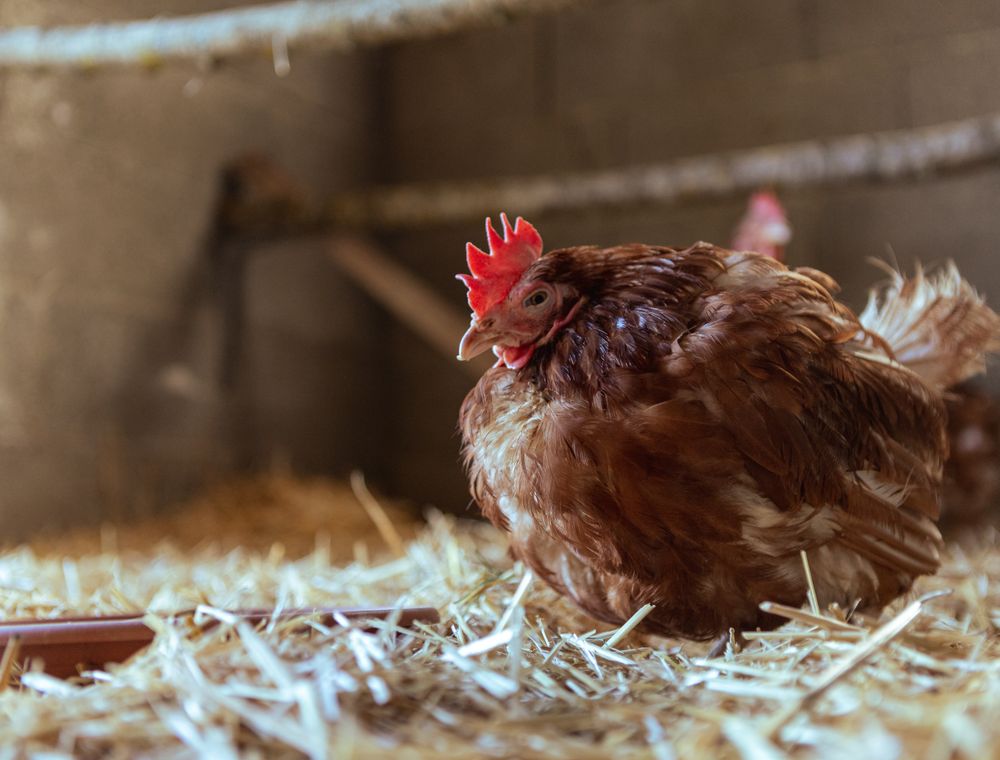
Short answer: The Bovans Brown is a brown-egg layer often recommended to first-time keepers and smaller farms, because it is hardy, adaptable and forgiving of small routine mistakes. Its reputation for handling warm conditions makes it a sensible choice for much of Ghana, but heat still needs daily management: airflow, cool water and feeding times matter from the hot weeks before the rains through the dry months. From our hatchery in Kasoa, Bovans Brown day-old chicks start from GH₵25.50 each, and the price is confirmed in writing before you pay.
Key takeaways
- Bovans Brown suits first-time keepers who can hold a steady daily routine.
- Heat tolerance helps, but it does not replace shade, airflow and cool water.
- Most early losses come from gaps in the brooder set-up, so prepare it before the chicks arrive.
- Feed to the bird's age and the day's temperature, not to the calendar alone.
- Budget for feed and housing across the whole laying period, not only the chick price.
Why first-time keepers often start with Bovans Brown
New poultry farmers tend to make the same mistakes: they overcrowd the house, let water run low on hot afternoons, and change feed without a plan. The Bovans Brown is a sensible starting point because it is hardy and adapts well to a range of housing, which gives a beginner some room for error. That does not mean it is careless about management. It means the routine is forgiving enough that a learner can build good habits without losing the whole flock to one bad week.
Keepers also value the bird's temperament and the steady way it fits into a mixed farm. Many first-time keepers start with a house of a few hundred birds, learn the daily checks, and expand once their records show what their own farm can carry. The Bovans Brown suits that pattern well, because the same routine works at 100 birds and at 500. If you want to compare it with other brown lines first, read our Hy-Line Brown guide.
At our hatchery we supply Bovans Brown day-old chicks in boxes of 50, and we can talk through the brooding and housing steps with you before you order. Our day-old chicks overview explains how the ordering and delivery steps fit together.
What heat tolerance does and does not mean
Heat tolerance means the bird copes better with warm conditions than a less tolerant line would. It does not mean hens stop feeling the heat. Above a comfortable range, every layer will eat less, lay smaller eggs, produce thinner shells and drink more water. A hardy bird makes those losses smaller and recovers faster once the weather cools, but the losses still happen.
Heat stress shows itself in the flock before it shows in the egg tray. Birds spread their wings away from the body, pant with their beaks open, crowd near drinkers and stay in the shade of the house instead of moving to feed. Eggs that come through during these days are often smaller and more likely to crack. Learning to read these signs in the first few hot weeks is the single most useful skill a new keeper can build.
Ghana's warm months bring their own pattern. In the Central Region, the hottest afternoons often come in the weeks before the main rains, and the house can remain hot late into the evening. Plan your heat measures for the whole day, not only the middle of it.
Ventilation and shade in the hot months
The most effective heat measures are simple and cheap. Open the sides of the house as wide as the weather allows. Keep the ridge vent clear. Fix any sacking, plastic or netting that blocks the air. If the roof is metal, a ceiling or a layer of insulation makes a large difference to the temperature under the iron sheets, because the metal heats quickly in the sun.
Shade on the sun-facing side of the house cuts the heat load on the walls. A row of shade netting or a few trees planted at a distance from the house works well over time. Fans help where you have power, and a misting system can help in very hot spells, though it must not wet the litter. Keep stocking density moderate, because every extra bird adds heat to the house.
| What you see | Likely cause | First action |
|---|---|---|
| Birds panting with open beaks | House too hot | Open sides, check fans, check ridge vent |
| Birds crowding at drinkers | Water too warm or not enough drinkers | Check drinker count, cool the water supply |
| Feed left in the trough | Intake falling in the heat | Feed in the cool hours, check feed freshness |
| Smaller eggs and thinner shells | Reduced intake and heat stress | Improve airflow and add calcium in the cool part of the day |
| Birds gathering in one corner | Draughts or uneven air | Check vents and openings, move feeders |
Feeding through hot weather
Feeding is the second lever in hot weather. A layer eats less in the afternoon heat, so shift the bulk of the day's feed to the cooler hours, early morning and evening. Put out a good portion at first light, check the trough around midday, and top up in the late afternoon. Birds that eat in the cool hours get more of their daily protein and calcium, and that protects both egg size and shell quality.
Feed freshness matters more in heat. Warm, humid air can make feed go stale or mouldy within days, and mouldy feed reduces intake and can cause health problems. Buy feed in amounts you can use within a few weeks, store it off the floor in a dry place, and remove old feed from the trough rather than topping it up.
Some farmers add electrolytes or vitamins to the water during hot spells. Use them only on your vet's advice and follow the label, because the wrong mix can cause problems of its own. Never change the ration in the middle of a heat wave without a plan, since a sudden change in diet is a stress in itself.
The first 90 days: a beginner's routine
A new keeper needs a clear timeline. The steps below follow the typical path from chick to laying flock, and each stage has a check you can make before moving on. Treat them as a guide and adjust them to your vet's advice and your house.
- Days 1 to 7: run the brooder at the right temperature, make sure every chick finds feed and water, and count the chicks at the start of each day.
- Weeks 2 to 4: reduce the brooder heat step by step, check that the chicks are spread evenly, and weigh a sample of chicks weekly.
- Weeks 5 to 8: move the birds to the main house once they are fully feathered and the weather is suitable, and check that the house is ready before they arrive.
- Weeks 9 to 12: keep weights on track, increase feeder and drinker space as the birds grow, and follow your vet's vaccination and parasite schedule.
- Weeks 13 to 18: introduce nest boxes, keep lighting steady, and prepare the pre-lay feed for the move at about 17 weeks.
The most common reason a beginner's flock falls behind is a gap in the first two weeks, usually heat or water. If the first brooder week goes well, the rest of the timeline is far easier to manage.
Brooder set-up that avoids early losses
The brooder is where most early losses are decided. Chicks need warmth they can move away from, clean dry litter, feed and water within easy reach, and enough airflow to keep the air fresh without causing draughts. A well-prepared brooder is ready several days before the chicks arrive, so you can check the temperature and correct any problems first.
Put a thermometer at chick height, not at the lamp. In the first week a temperature in the mid-thirties Celsius at chick height is commonly used, and most keepers reduce it by a few degrees each week as the birds feather. Watch the chicks rather than the thermometer alone. Chicks spread out evenly and drink and eat steadily when the temperature is right. If they huddle under the heat, they are cold. If they spread to the edges and pant, they are too warm.
Our brooder set-up guide covers the full list of items. Use it alongside this section so that the brooder is ready on the day the box arrives.
Common beginner mistakes
- Waiting for a problem to show. Heat, water and feed issues are much cheaper to fix early than late.
- Too many birds for the house. Crowding raises the temperature and the risk of pecking and disease.
- Changing feed without a plan. Switch between phases over several days, and check the bag for the protein and calcium figures.
- Skipping the daily walk. Most early warnings are visible to someone who looks at the flock every morning.
- No written records. Without weights, feed and egg counts, a beginner cannot tell a new problem from normal variation.
Need chicks for your next batch?
Send breed, number and town. We reply with price, hatch date and delivery cost in writing.
Working out the cost of a 100-bird start
A 100-bird start is a good size for learning, and it is simple to cost. At our current starting price of GH₵25.50 per Bovans Brown chick, 100 birds comes to GH₵2,550 in chicks. A box holds 50, so two boxes cover the order. Because the chick price is only the first line, the table below lists the other costs a new keeper should plan for. We do not quote the local prices of feed, equipment or vet visits, because they vary by town and by season. Our chick price guide lists the current starting prices for the breeds we supply.
| Cost line | How to work it out | Amount (GH₵) |
|---|---|---|
| Day-old chicks | 100 at 25.50 each, two boxes of 50 | 2,550 |
| Brooder and equipment | Lamp, feeders, drinkers, litter | Get your own quote |
| Feed to point of lay | Feed per bird multiplied by the number of birds, at your local price | Get current bag prices |
| Vaccines and vet visits | Follow your vet's schedule | Get your vet's quote |
| Delivery | Confirmed with us before payment | Confirmed before payment |
A useful habit is to write the feed cost per bird per week in your records from the first day. Once you know it, you can estimate the cost of the flock to point of lay with confidence, and you can judge whether a price change in feed or chicks is significant to your business.
Keeping records that make decisions easy
A beginner does not need complicated software. A notebook or a simple spreadsheet that records a few daily and weekly numbers will show the trend that matters. Record the number of birds at the start of each day, the number of deaths, the feed delivered, the water and temperature notes, the egg count once laying starts, and the weekly weight sample.
Review the records once a month. Ask whether the feed per bird is rising, whether the weight sample is on the chart, and whether the egg count is on the expected curve. Those three questions catch most early problems. Write down what you changed and when, so that you can link a change in the numbers to the action that caused it.
Ordering Bovans Brown chicks from Halaal Farms
Bovans Brown day-old chicks are priced from GH₵25.50 each. The minimum order is one box of 50, and orders of 1,000 or more are quoted individually. We confirm the price in writing before payment and do not take online payment. You can pay by mobile money, bank transfer or cash.
Every box is packed on hatch day in ventilated crates, and we deliver to all 16 regions. Delivery cost is confirmed before you pay. If you are in the north, our northern region page has details for that area, and our delivery page explains how transport works. You can also collect at the farm in Opeikuma, Kasoa, by arrangement.
Count any dead-on-arrival chicks as soon as the box is opened and send a photo to our WhatsApp at +233 24 915 1503 the same day. Chicks that die in transit are replaced free in the next hatch. Our FAQ covers more on arrival and replacements. To place an order, use the order form on our homepage, and see our layer chicks page for the full range of laying lines we supply.
Questions farmers ask
Is Bovans Brown a good layer for beginners?
Many first-time keepers choose it because it is hardy, adapts to a range of housing and is forgiving of small routine mistakes. It still needs a daily routine: checks on water, feed, heat and litter, plus weekly weights and an egg count from the first egg. A beginner who keeps those habits will usually do well with it.
Does the Bovans Brown cope with Ghana's heat?
Its reputation for handling warm conditions makes it a sensible choice for much of Ghana, but heat still needs active management. Open the house, keep the ridge vent clear, shade the sun-facing wall, keep water cool and available, and feed in the cooler hours. Expect some fall in intake and egg size during the hottest weeks, and plan for that.
How much do Bovans Brown chicks cost from Halaal Farms?
Bovans Brown day-old chicks start from GH₵25.50 each. A box of 50 is the minimum order, and orders of 1,000 or more are quoted individually. The price is confirmed in writing before payment, and the delivery cost is confirmed before you pay. Message +233 24 915 1503 on WhatsApp for the current price before you finalise your budget.
How long does it take a Bovans Brown to start laying?
Brown layers commonly start laying around 18 to 19 weeks, and the flock reaches half production around 20 weeks in the breeder's targets. Your own timing depends on weight, feed, light and health. Keep weekly weights from the start, so you can see early whether the flock is on track for a timely first egg.
What temperature should the brooder be for Bovans Brown chicks?
Keep the brooder warm in the first week, with a temperature at chick height in the mid-thirties Celsius, and reduce it by a few degrees each week as the birds feather. Judge the setting by the chicks: even spread and steady feeding mean the heat is right, while huddling or panting means it needs adjusting. Keep a record of readings each day.
Can I start with a small number of birds?
Yes. A flock of 100 is a good size for learning, because you can manage every bird and keep detailed records without a large initial outlay. At GH₵25.50 per chick, 100 birds is GH₵2,550 in chicks, and the rest of the budget depends on your housing, feed and vet costs. Expand once your records show that your own farm can carry more birds.


