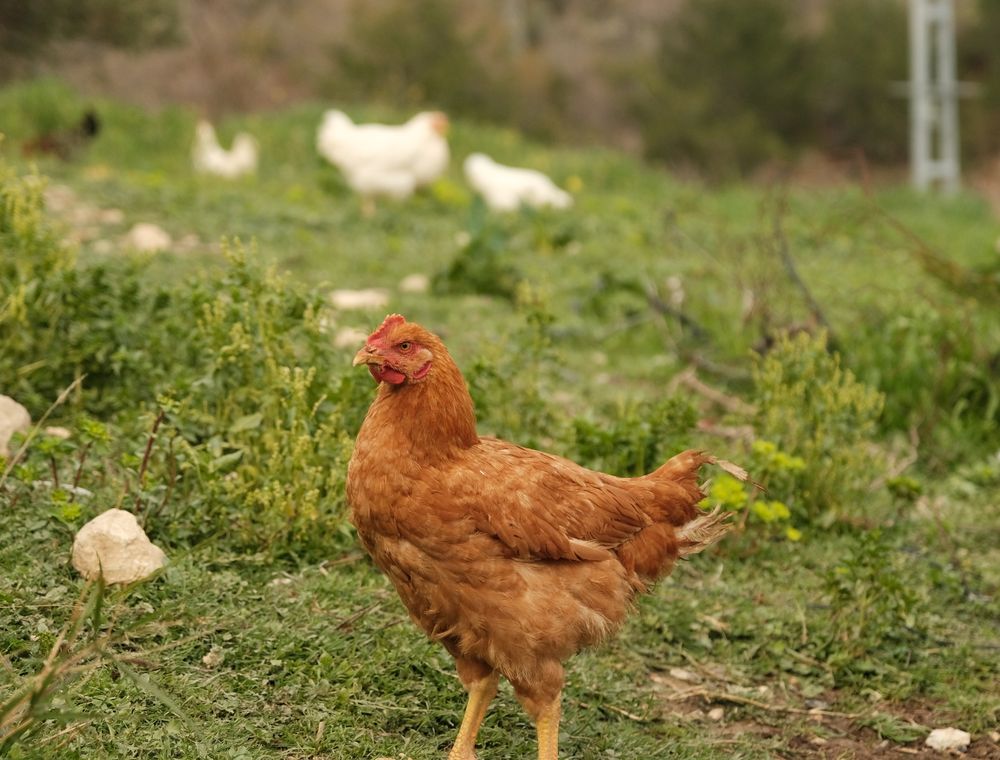
Short answer: The Khaki Campbell is a light, prolific common duck bred in England in the late 1800s, and it is one of the highest-laying ducks a small Ghana farm can keep for eggs. Published counts run from about 165 to over 330 eggs a year, depending on the strain and the record, so plan on the lower end until your own flock proves more. Its eggs are mostly white and around 75 to 85 g. Ducklings are not stocked as a standard line, so check supply with us first.
Key takeaways
- Plan on the lower end of published egg counts, roughly 165 to 240 a year, until your own flock proves more.
- Eggs are mostly white, around 75 to 85 g, with fewer than one in twenty tinted blue.
- At about 3.5 to 4.5 lb the Khaki is a layer, not a meat duck, so do not buy it for the table.
- The breed is nervous and flocks tightly, so quiet handling and a fence that stops a short flight matter.
- We do not list ducklings yet, so check supply with us before you plan a pen.
Ask three keepers, get three egg counts
Ask three keepers how many eggs a Khaki Campbell lays in a year and you will get three answers. One will say about 180, another will swear by 300, and the third will tell you the ducks lay well until they stop and then nothing at all. They are not all lying. The breed has been bred in different lines for a long time, and the records are kept in different ways.
For a farm that is planning feed, labour and a sales price, the count matters more than the story. This guide sets out what the published figures say, why they disagree, and how to put a realistic number into your plan.
Where the Khaki Campbell came from
The breed was developed in Gloucestershire, England, in the late 1800s by Adele Campbell. The source material we used says she crossed Fawn and White Indian Runners with Rouen ducks, and the laying ability she was after came from the Runner side of that cross. The name comes from the khaki colour of the plumage, which reminded people of British army uniforms.
The breed was introduced publicly in 1898, reached the United States in 1929, and entered the American Standard of Perfection in 1941. Its history is a useful reminder that Khaki Campbells were bred for eggs first and for show second. A bird whose parents were chosen for laying still needs laying management to keep those eggs coming, and the rest of this guide is about that.
Egg numbers, and why the published figures disagree
The figures we found do not agree, and it helps to see them side by side before you pick a number for your plan. Each one comes from a different record, so each one is only as good as the flock it describes.
| Source of the figure | What it says | How we would use it |
|---|---|---|
| Breed comparison table | 165 to 240 eggs a year | The realistic working range for a backyard or small yard flock |
| Strain developed by Aalt Jansen | 335 to 340 eggs per duck in a laying year | A strain claim, not a typical flock figure |
| Breed description | Called a very prolific layer | Confirms the reputation, not a number |
The lower range is what we would plan on. The higher figure belongs to a particular strain and a particular set of conditions, and it will not appear in your shed just because you bought ducklings from a good source. Count your own eggs for the first full laying year, and use that count for every decision after that.
Two things hold the count down in practice: what she eats, and how much she is disturbed when she should be laying. A duck that is short of calcium, is kept hot or is handled roughly at night will lay fewer eggs than one that has none of those problems. The count you can expect is the count your management allows.
The egg itself: size, colour and what the buyer sees
Khaki Campbell eggs run about 75 to 85 g. That is a good size for most household buyers. The eggs are mostly white, and in the source we used fewer than one in twenty were bluish. That matters for the market: a tray of white duck eggs looks like a tray of quality eggs to most buyers, and a blue-tinged egg tray needs a different sales pitch.
Eggs that land on wet ground pick up mud and dirt quickly, and a dirty shell is hard to sell. Collecting twice a day is the simplest way to keep the shell clean. Our egg washing and cleaning guide explains how to clean them without damaging the bloom.

Size: a light duck, not a meat duck
Khaki Campbell ducks weigh about 3.5 to 4.5 lb, which makes them a light breed. That is the first thing to get straight before you buy. A commercial meat duck such as the Pekin can reach about 7 lb by seven weeks when it is well fed, and it will weigh almost twice as much at the table. If you want meat, the Khaki is the wrong bird. If you want a steady supply of eggs from a small yard, it is the right one.
The lightness helps with feed. A smaller bird eats less each day, which is part of why egg breeds can give a good return on a modest feed bill. It also means the ducks are not built to take the weight of rough handling, so carry them with both hands under the body and never by the wings.
A nervous breed that mothers well
The source table rates the Khaki Campbell as nervous, and it flocks tightly. Anyone who has tried to catch a loose flock in a crowded yard will recognise the pattern: one bird startles, the whole group bolts, and the nearest fence gets the blame. A quiet routine is the cure. Feed at the same time, speak in the same tone, and walk the same path each day.
On the plus side, the breed is rated good for mothering and very good for foraging, so a hen that goes broody will usually raise her ducklings well. Fertility is listed at 87 per cent in the same table, which is a useful planning figure if you intend to hatch your own. Flight is rated as a maybe, so do not assume a low fence will hold them. A fence or net that stops a short flight, and a gate that closes properly, will save you a lot of chasing.
Water, shade and the laying pen
A Khaki laying pen needs three things: water they can dip into and clean their heads in, shade through the hottest part of the day, and a dry place to lay that is quiet at night. The water need not be deep, but it must be large enough for the ducks to tip their heads into it, and it has to be emptied and scrubbed often in the rains.
Shade matters more in Ghana's dry season than most keepers expect. A flock that sits in the open through midday will eat less and lay less, and the drop in lay often lasts longer than the heat did. Plant or build shade on the west side of the pen, where the afternoon sun is strongest, and keep the water away from the feed so it does not turn into mud.
Nesting needs more thought than in a chicken house. Give each hen a box or a raised straw nest in a quiet corner, and close the pen at dusk so the flock lays in the nest and not in the open run. Our duck farming guide covers the general housing and water set-up in more depth.
Calcium and shell strength in a duck that lays on schedule
A duck laying most days needs a steady supply of calcium, and the duck does not always find enough on its own. Shell strength falls first in the hens that lay heavily, and the cracked eggs show up as a rising count of eggs found on the ground. Keep a layer ration in front of the flock, and give oyster shell or crushed shell in its own dish so each duck can take what she needs.
Watch the eggs as well as the ducks. A duck that is starting to run short produces eggs with rough or thin shells. Those are the first signs to act on, and a few days of extra calcium usually restores the shell. Mixing calcium into the mash rarely does the job as well as a separate dish, and our calcium guide gives the reasons.
Need chicks for your next batch?
Send breed, number and town. We reply with price, hatch date and delivery cost in writing.
A worked example: 40 ducks and three different counts
Take a yard flock of 40 Khaki Campbell hens and see how far the egg count moves the plan. The table uses the three counts from the source material, so you can see the spread before you commit money to feed or housing.
| Eggs per duck per year | Eggs from 40 ducks per year | Eggs per month, rough average |
|---|---|---|
| 165 (low end of the breed table) | 6,600 | about 550 |
| 240 (top of the breed table) | 9,600 | about 800 |
| 335 (strain claim) | 13,400 | about 1,120 |
The first row is the one to build on. If the flock delivers the top of the breed table, you have a bonus. If it delivers the strain claim, you have a very good year. Set your sales plan and your feed budget on the first row, and let the rest be upside. The sum is simple, but it is the difference between a farm that pays and one that is short on cash every month.
Before you multiply eggs by a price, remember that duck eggs will not all reach the buyer. Some are cracked, some are lost in the grass and some are kept back for hatching. Plan on a loss of several percent, and more in the rains.
Fertility and the drake ratio
If you hatch your own ducklings, the drake matters as much as the hens. The breed table lists fertility at 87 per cent, which is high enough to make hatching worthwhile, but it only holds when the drake is in good condition and the mating ratio is right. A common rule of thumb is one drake to about six or eight ducks. Too many drakes fight, injure hens and waste feed, and too few leave eggs unfertilised.
Keep hatching eggs cool and clean, turn them correctly and collect them daily, and keep them out of the sun on the way to the incubator. Our guide to storing fertile eggs covers the holding conditions, and the duck egg farming guide covers the egg side of the business.
Mistakes that cut a Khaki Campbell flock's output
The first mistake is feeding treats. Bread, rice, and kitchen scraps fill the duck and cut the amount of layer feed she eats, so she lays less even though she looks well. Keep scraps small and occasional, and count them as part of the feed budget.
The second is letting the pen get hot and dusty in the dry season. Shade and water are not extras for this breed. The third is ignoring the first few weeks of lay. A flock that is handled roughly when it comes into lay will drop a lot of eggs in those weeks, and some of those ducks will not come back to full production.
The fourth is buying on the strain claim alone. The top figure in the table belongs to a specific strain. Ask for the records of the flock you are buying from, and check them against the realistic range before you pay.
A checklist before you buy Khaki Campbell ducklings
- You have decided whether the flock is for eggs, hatching or both, and set the drake ratio to match.
- Your water is large enough to dip into, and it can be emptied and scrubbed each day.
- You have shade over the pen for the hottest part of the day.
- Nests are in quiet corners, and the pen closes at dusk.
- A calcium source is in its own dish next to the layer feed.
- You have a fence or net that stops a short flight, and a gate that shuts properly.
- You have a plan for counting eggs twice a day from the first lay.
Getting Khaki Campbell ducklings through Halaal Farms
Khaki Campbell ducklings are missing from our price list, so they are not a product we sell routinely. Send a message on WhatsApp at +233 24 915 1503 and ask for a supply check before you pay. Whatever the answer, we will put the cost and timing in writing.
The day-old chick prices page holds the current starting figures for chickens, and the breeds page lists the chicken strains we work with. Once you have decided what to order, the order form is where it starts.
If you are weighing ducks against chickens for eggs, our Pekin and Muscovy comparison is a better guide to the meat side, and the about page explains how we work with farmers who are still making that choice.
Questions farmers ask
How many eggs does a Khaki Campbell duck lay?
Published figures range from about 165 to 240 eggs a year in the breed comparison, up to a strain claim of 335 to 340. Plan on the lower end for a Ghana flock, then count your own eggs for the first full laying year. Feed, shade, calcium and quiet nights decide where your flock lands in that range.
Are Khaki Campbell eggs white?
Mostly, yes. The source we used says fewer than one in twenty eggs are bluish, and the eggs weigh about 75 to 85 g. A tray of white duck eggs usually sells as a quality product, but check what your buyers expect before you price the flock.
Are Khaki Campbell ducks good for meat?
No. They are light ducks, at about 3.5 to 4.5 lb, and they are bred for laying. If you want meat, a meat breed such as the Pekin is the better choice. Keep the Khaki for eggs, or for hatching a laying flock, and buy meat birds separately.
Do Khaki Campbell ducks fly?
The breed table rates flight as a maybe, which is a fair description. They can make short flights over low fences, so use a fence or net of sensible height and a gate that closes. Build the fence properly rather than relying on the ducks staying put.
How do I keep Khaki Campbells from getting stressed?
Keep routines steady, feed at the same times, and move quietly through the pen. The breed is rated nervous and flocks tightly, so one startled bird can set off the whole group. Quiet handling and a dark, closed pen at night go a long way.
Can I hatch my own Khaki Campbell ducklings?
Yes, if the hens are healthy and the drake ratio is right. The breed table lists fertility at 87 per cent. Collect hatching eggs daily, keep them clean and cool, and store them properly before setting. Our fertile egg guides set out the steps.
Do you sell Khaki Campbell ducklings?
No standing price exists for them, so we treat each request on its merits. Ask on WhatsApp at +233 24 915 1503, and we will check supply and reply with the cost and delivery terms.


