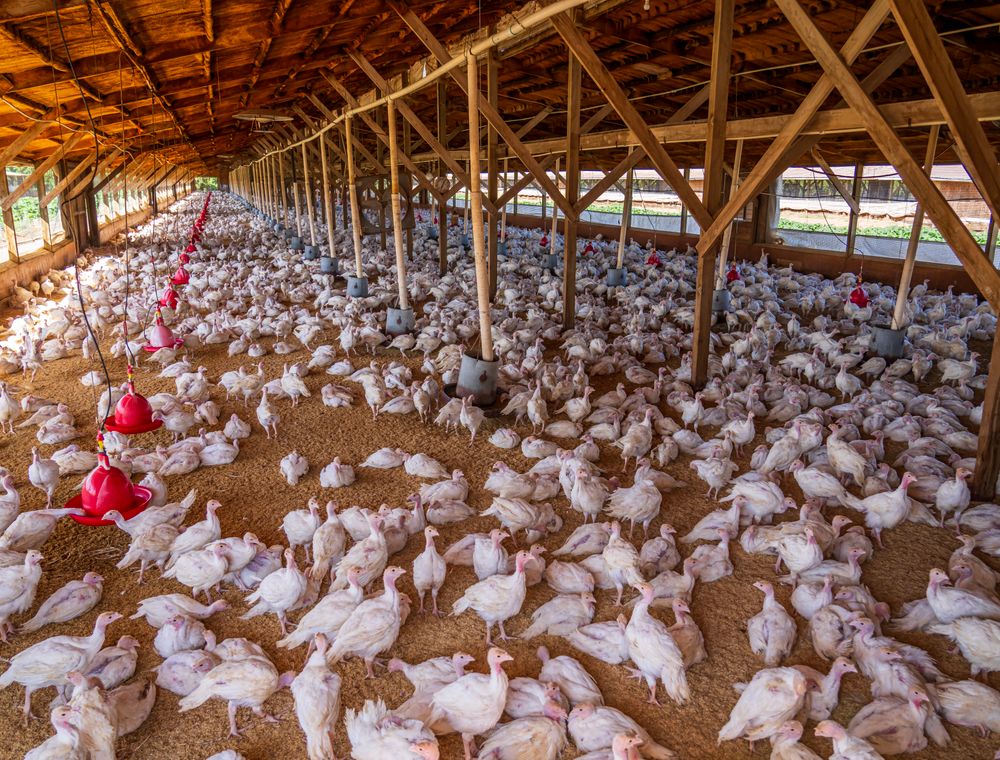
Short answer: Heavier broilers come from management that protects growth every day, not from one special feed or product. In Ghana the big levers are a warm, well-run brooder, feed phases matched to weight, clean water, a dry and adequately spaced house, and steady heat management through the hot season. With a well-managed Ross 308 or Cobb 500 flock, plan for about 2.2 to 2.5 kg live at six weeks, and weigh a sample every week so problems show up while they can still be fixed.
Key takeaways
- Weight is built in the first two weeks, and a weak start is very hard to recover later.
- Heat is the biggest single limit on weight in Ghana from about week four.
- Clean water and dry litter matter as much as the feed bag.
- Keep stocking density sensible, because crowding costs both weight and carcass quality.
- Weigh a sample weekly and act on the trend, not on one bad week.
- Cheap shortcuts such as unvaccinated chicks, mouldy feed or unplanned changes usually cost more than they save.
What "heavy" really means for your market
Before you try to make broilers heavier, decide what heavy means for the people who will buy them. A trader buying live birds by the kilogram wants total weight per lot and birds that are sound on their feet. A cut-up seller wants breast yield. A household buying a whole bird wants a size that fits a pot and a price that feels fair. Heavier is only better when your buyer pays for it.
It also matters whether you are measuring live weight or carcass weight. A bird that weighs 2.4 kg alive will dress to a noticeably lighter carcass, and the gap depends on feathering, feed in the crop and handling. Weigh a few birds both live and dressed before you set a target, so that you know which figure your buyer is really paying for.
Finally, extra weight is not free. The last kilograms are the most expensive to produce, because feed intake is high and the growth per kilogram of feed falls. For most farms, the goal is to reach the weight the market rewards on time and in good condition, not to push the birds as far as they will go.
Lever 1: start with strong chicks and a ready brooder
The weight of a six-week broiler is decided largely in its first fortnight. A chick that arrives well, drinks and eats within hours, and sits in a warm, even brooder will have a head start that the rest of the programme builds on. A chick that arrives chilled, dehydrated or late will spend the next few weeks trying to catch up, and it rarely quite does.
Check three things before you order. Choose a hatchery that vaccinates before dispatch and gives you a batch record. Keep transit time short, since long journeys in poor boxes cost chicks dearly. And have the brooder finished and warmed up before the box arrives. Our guide to transporting day-old chicks explains how to protect the birds on the road, and the brooder set-up guide covers the house.

On the day of arrival, count the birds, look for any that are weak or dead, and dip each chick's beak into water so it finds the drinker. Photograph any problem and message it to us on WhatsApp that day. Dead-on-arrival birds are replaced free in the next hatch, which is why counting straight away matters.
Lever 2: feed in phases matched to weight
Feed is the main tool for growth, and it works best when the phase matches the flock. A starter that is too rich late, or a finisher that arrives too early, slows the birds in the weeks when they should be gaining fastest. The three-phase programme is the baseline, and the weekly weigh-in tells you whether to keep to it or adjust it.
The detail, including the amounts per bird and the week-by-week table, is in our feeding schedule article. The point to remember here is that feed only works if the birds can reach it. Feeder space, feeder height and a steady supply all decide how much of the programme turns into weight.
Lever 3: unlimited clean water, every day
Water is the cheapest growth tool on the farm and the one most often neglected. Birds that cannot drink freely eat less, and birds that eat less grow more slowly. A drinker line that is blocked, leaking or too far away from the birds will show up in the weight sample a week later, when it is too late to make up the difference easily.
Many growers plan roughly one nipple drinker for every eight to twelve birds, though the right number depends on the system you use and the height of the drinkers. Whatever system you have, check the flow at the far end of the line, not just beside the tank. Clean the drinkers regularly, and keep the water source safe and free of contamination. Water quality is also a health issue, so ask your vet about testing if you have any doubts.
- Check drinkers twice a day, once early in the morning and once in the afternoon.
- Adjust drinker height every few days as the birds grow, so beaks sit level with the nipple.
- Keep a backup supply for pump failures and power cuts, which are common enough to plan for.
Lever 4: stocking density and access to feed
Density is the lever farmers most often push too far. Crowding looks efficient on paper, because more birds fit in the house, but it pulls weight down in three ways. Birds compete for feed and water, the air quality falls, and the litter becomes wet faster. The combined effect is slower growth, more lameness and poorer carcasses.
As a planning figure, many tropical growers work with about 10 to 12 birds per square metre at market weight, and they reduce that number in the hot season or when they plan to sell heavier birds. Check the real situation at the feeder as well as the floor figure. Every bird should be able to reach feed at the same time without a crush. If you see birds queuing or standing on each other, you have too many birds for the feeder space, however good the floor figure looks.
Lever 5: dry litter and steady ventilation
Dry litter protects the feet, the breast and the lungs. Wet litter produces ammonia, which irritates the eyes and airways and makes birds less willing to move. It is also the usual cause of footpad burns and breast blisters, both of which reduce what a buyer will pay. Keeping the litter dry is therefore a weight lever and a carcass lever at the same time.
Litter goes wet for predictable reasons: leaking drinkers, poor ventilation, too many birds and damp floors. Fix the cause rather than covering the wet patch with fresh shavings. Ventilation should move air through the house at bird level without creating a cold draught. In the rainy season, close the curtains on the wind side at night and keep the ridge vents clear. In the hot season, open them fully during the day.
Lever 6: heat management through the hot season
Heat is the single biggest threat to weight in a Ghanaian broiler house from about week four, when the birds carry a lot of body mass and produce a lot of heat of their own. A house that was comfortable at week two can become dangerous at midday in the months before the rains. Manage the house by the hour, not just by the day.
| Time of day | What is usually happening | What to do |
|---|---|---|
| Early morning, before 8 a.m. | Cooler, damp air; birds are active and eating | Check water flow and feed fill; open curtains for fresh air; walk the house for lame or weak birds |
| Mid-morning to early afternoon | Temperature climbs and birds begin to spread out and pant | Open curtains on the windward side; check that fans are running; keep drinkers cool and flowing |
| Midday to about 4 p.m. | The hottest period; intake falls and birds may stand with wings held away from the body | Avoid heavy feed refills and handling; keep water plentiful; reduce density if temperatures stay high |
| Late afternoon and evening | Temperature drops and birds start eating again | Top up feed and water before dusk; set curtains for the cooler night air |
| Night | Cool, sometimes windy; birds can huddle in draughts | Keep ventilation steady but free of direct draughts; check that birds are settled |
Heat stress also has a visible effect on carcass quality. Birds that have spent the afternoon panting often arrive at market with less fat cover, a lighter dressed weight and a poorer appearance. Plan your heat management with the sale date in mind, since the last two weeks are when the hot-season risk is highest.
Lever 7: the rainy season and the harmattan
Ghana gives farmers two different seasonal problems, and both can slow a flock. In the rainy months the house is damp, the litter is harder to keep dry and mould and coccidiosis risks rise. In the harmattan months the air is dry and dusty, nights can turn cool, and birds that are chilled at night lose feed intake and grow more slowly.
In the rains, keep the litter fresh and the curtains working, store feed in a dry place, and keep the house free of standing water outside. In the harmattan, protect the birds from draughts and cold at night, keep the house warm enough for young birds, and watch the dust, which irritates the eyes and airways. Both seasons reward the same habit: walking the house every morning and every evening to notice small changes before they become losses. Our guide to coccidiosis explains why damp litter and coccidiosis go together, and why your vet should guide the control programme.
Need chicks for your next batch?
Send breed, number and town. We reply with price, hatch date and delivery cost in writing.
Lever 8: health, vaccination and the vet's calendar
A healthy bird grows; a sick bird eats less and spends its energy on fighting infection. The chicks from Halaal Farms are vaccinated at the hatchery against the common diseases of broilers, and each batch comes with a record. That protection is the foundation, but it has to be backed by a sensible farm routine and by a vet who knows your flock.
Follow your vet's schedule for any booster vaccinations and any preventive measures, because the right timing depends on your region and your flock's history. Keep your batch record with your own notes, so that your vet can see the whole picture when a problem arises. Early advice is cheap. A flock that loses weight for a week before anyone calls the vet is harder and more expensive to treat. Our biosecurity guide sets out the basic routine that keeps disease out of the house in the first place.
Lever 9: weigh, record and act early
The scale is the most honest tool you have. Farmers who weigh every week can see a problem at the weigh-in and react to it while there is still time. Farmers who guess by eye often find out at the market, when it is too late to change anything. A weighing routine costs little and pays for itself in the first batch it saves.
- Choose the same time of day for every weigh-in, preferably early in the morning before feeding.
- Catch 10 to 20 birds at random from different parts of the house, rather than the ones that are easiest to reach.
- Weigh them on the same scale, and write down each weight, not only the average.
- Compare the average with the target for the week, and note the range to see how uniform the flock is.
- If the average is behind for two weeks running, walk the house at once and review water, litter, density and the feed record.
Keep the records in one place. The growth curve, feed used, mortality and temperature notes together tell the story of the batch, and they are the basis for deciding what to change next time. See our record-keeping guide for a simple system you can start on the first day.
Common mistakes that cost weight
When a flock comes in light, the cause is usually one of the mistakes below. Each one is common, and each one is avoidable.
- A late or cold brooder. Chicks that spend their first hours chilled never catch up in weight, and the flock spreads out.
- Too many birds for the house. Density saves money on paper and costs weight in practice.
- Drinkers that are dry, blocked or too high. Intake falls quickly, and the drop is often blamed on the feed.
- Wet litter left to spread. A wet patch by the drinkers is a warning, and it grows if it is ignored.
- Heavy feeding at the hottest time of day. It adds heat load at the moment the birds can least afford it.
- Mouldy or poor-quality feed. A cheap bag that the birds will not eat well is an expensive bag.
- Moving the finisher feed by the calendar. Phase changes should follow the flock, not the date on the wall.
- Skipping the weekly weigh-in. Without it, the first sign of trouble is the market.
Timing the sale for heavier, better-paid birds
Weight only pays when it reaches the buyer in good condition and on the right day. Festive demand around Christmas, Easter and Eid is strong, and birds that arrive at the peak sell more easily than birds that are a few days late. Work back from the sale date to the chick arrival date, and build in a margin for a hot spell or a short illness.
Our article on timing Christmas broilers explains the calendar in more detail. If you are also choosing between breeds, the Ross 308 and Cobb 500 comparison shows how each one fits different buyers, and our price list shows the current starting prices for the chicks.
Questions farmers ask
How heavy can a broiler get in six weeks in Ghana?
With a well-managed Ross 308 or Cobb 500 flock, a planning target is about 2.2 to 2.5 kg live at six weeks. Some flocks go a little higher and others fall short, depending on the chicks, the house, the feed and the season. Weigh a random sample each week and compare it with the target, rather than relying on a single figure.
Do growth boosters make broilers heavier?
Be cautious. No product replaces feed, water, warmth and space, and most of the gains farmers attribute to additives come from fixing one of those basics. Discuss any supplement with your vet before you buy it, and remember that unregulated products can leave residues that your buyers will not accept. Start with the management levers in this guide.
Why are my birds small for their age?
Work through the basics in order: how the chicks arrived and how they were brooded, whether the drinkers are flowing, whether feed is available and in the right phase, whether density is too high, and whether the litter is wet. If the basics are right and the birds are still behind, call your vet to look for a health cause before changing anything else.
Is it better to sell at five or six weeks?
It depends on your buyer and on the cost of the extra week. Six weeks is the usual middle ground, because the extra feed for the last week produces less weight per kilogram of feed. Five weeks suits a buyer who pays a fair price for a lighter bird and wants quick cash. Check the sums for your own batch before you decide.
How do I know if my birds are too hot?
Look for birds that spread out away from the feeders, pant with open beaks, hold their wings away from their bodies, or crowd near the walls. Intake falls and water use rises. Open ventilation, check the fans, keep drinkers cool and flowing, and reduce density if the signs continue. Persistent heat signs should be reported to your vet.
Should I separate males and females?
Male broilers grow faster than females, so a mixed flock averages lower than a flock of males. If your buyers pay by weight and you can manage separate lots, it may be worth considering. Ask us before you order what your batch will be, so that you can plan the house and the sale accordingly.
Can I get heavy birds in the rainy season?
Yes, with more attention to the house. Keep the litter dry, keep ventilation working at night, reduce density a little, store feed dry and watch closely for coccidiosis and mould. Walk the house each morning and evening, and keep your vet informed. Many farmers in the rainy months get good weights by changing very little except their vigilance.


