Short answer: Halal slaughter in Ghana rests on a few conditions that every buyer and imam will ask about: a Muslim slaughterer who is sane and adult, the name of God said at each bird, a sharp knife used in one continuous cut, and a bird that is alive when the cut is made and fully bled before it is processed. Hygiene standards for dressing sit alongside those conditions and do not replace them. The chick you buy from a hatchery does not make a bird halal, so the standards below apply on your farm, at the slaughter point and on the way to the buyer.
Key takeaways
- A bird is halal in the process, not in the breed or the feed, so the slaughter itself has to meet the conditions.
- The slaughterer should be a Muslim who is sane and of age, and the name of God should be said for each bird at the cut.
- Use a sharp knife, make one continuous cut through the throat and the vessels, and let the bird bleed fully before scalding.
- Scholars differ on stunning, so agree the method with your buyer or your local imam before the first slaughter day.
- Keep a written record of each slaughter session, including who slaughtered, the number of birds and the time, so a buyer can check it.
What makes a bird halal, and where the chick fits
Ask a buyer what makes a chicken halal and you will hear two answers. The first is that the bird must come from a flock that was fed and kept in a way that is clean and lawful. The second is that the bird must be slaughtered according to Islamic rules. The first answer is important, but it is the second one that decides whether a bird is halal at the point of sale.
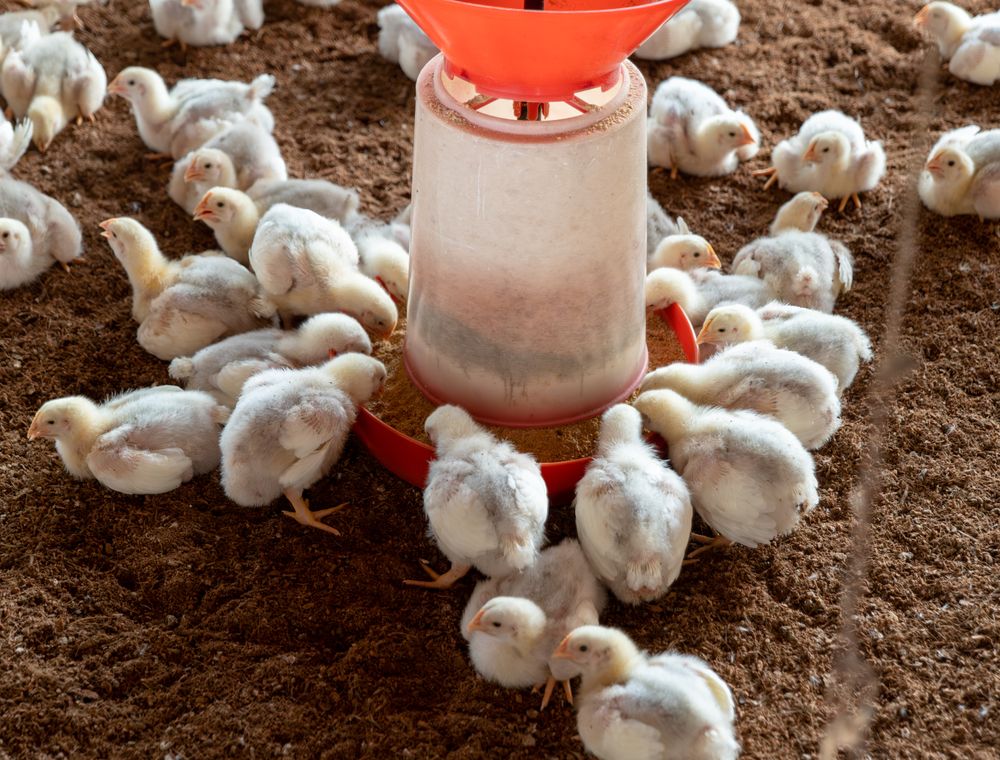
That matters for a hatchery. We sell day-old chicks, and the chick itself is not halal or haram in any sense that a buyer can test. The status of the meat comes from the slaughter, which happens on your farm or at a slaughter point you use. This article makes no halal certificate claim for our chicks, and a buyer should not assume one exists. If you need to know what we can confirm about our birds, ask us directly on WhatsApp.
In practice, the question you will be asked is this: who slaughtered the bird, how, and can you show the record. That is the question this article is built around.
The conditions buyers and imams check first
The conditions below are the ones most often raised by buyers in Ghana, by Muslim caterers, and by the imams who advise them. Local practice varies, and the conditions can be explained differently by different scholars, so use this list as a starting point and confirm the details with the person who will accept your birds.
| Condition | What it means on the ground | How you show it |
|---|---|---|
| Slaughterer | A Muslim, sane and of age, who knows the procedure | A named person on the slaughter record, with their name and the date |
| Invocation | The name of God said at the moment of the cut, for each bird | Agreed practice written on the slaughter sheet, and checked by the supervisor |
| Knife | Sharp, clean and long enough for one smooth stroke, kept out of sight of other birds | Knife checked and sharpened before each session, noted on the sheet |
| Live bird at the cut | The bird must be alive when the cut is made, with the blood flowing freely | Time of cut recorded, and no bird handled after death before the cut |
| Cut | One continuous cut through the throat and the main vessels, without digging or repeat cuts | Supervisor observes the cut for a sample of birds each session |
| Bleeding | Full bleeding before scalding, with the bird hung head down for long enough | Minimum hanging time written in your procedure |
| Stunning | Scholars differ, so agree the method before you start | Written statement of the method, signed by the supervising imam or buyer |
The table is a summary of what we see people ask for. Your imam or your buyer may add or remove steps, and where they disagree, follow the more careful ruling for your own farm and say so in writing.
Who should be doing the cut, and who should be watching
The slaughterer is the single most important decision on the day. A Muslim who knows the method and is calm around birds will do the cut cleanly. A worker who has never been shown the procedure is a risk to the bird, to the buyer and to your business. Name the slaughterer in writing and keep them on the job for the whole session if you can.
A second person should watch. The watcher does not need to be a scholar. They need to know the steps, to check the knife, to note the time of each cut, and to stop the process if something goes wrong. In a small farm that second person may be a family member or a trusted neighbour. Pay them for the time, and treat them as the record-keeper rather than an extra pair of hands.
- Confirm the slaughterer is a Muslim who is sane and of age, and write their name on the sheet.
- Show the slaughterer the method before the first session, and ask them to repeat it back to you.
- Agree who watches each cut and who handles the birds from the crate to the knife.
- Keep the birds calm and out of sight of each other, because a frightened bird struggles and makes a clean cut harder.
The knife, the cut and the moment that matters
Knives cause more trouble than most people expect on a slaughter day. A blunt blade drags, saws and causes the bird to suffer for longer, which goes against the purpose of the rules. A knife that has been used on a dozen birds without a rinse is a source of contamination too. Sharpen the blade before the session, check it between birds, and keep a clean one ready.
The cut is one continuous stroke through the throat, cutting the windpipe and the gullet and the main vessels on either side of the neck. Do not dig, do not cut twice and do not twist the blade into the neck to find the vessel. A clean, confident cut is quicker for the bird and easier for the watcher to check.
Say the words at the moment of the cut, as agreed with your buyer and your imam, and make sure the record says so. The words belong to the slaughterer, and the watcher's job is to confirm that they were said for each bird and not only at the start of the session.

Bleeding and hanging before the scald
A bird must bleed out fully before it goes into the scalding water. Hanging the bird head down, with the cut open, lets the blood drain from the body, and it takes time. Rushing this stage is a common reason a dressed bird arrives at a buyer with blood in the carcass, which is both a hygiene problem and a religious one.
Plan the hanging time around your numbers. If you slaughter 50 birds in a session, the first bird must hang long enough before it reaches the scald, and the last bird must not be scalded until its time is up. A hanging rail with a clear count makes the job easier than trying to remember by eye.
- Hang each bird by the legs on a rail with space between them so they do not touch.
- Write the time of the cut on the sheet for each batch of birds, not for the session as a whole.
- Do not start the scald until the minimum hanging time has passed for that batch.
- Keep the drain tray clean, because blood left on the floor is a source of flies and contamination.
Stunning: where scholars differ and what to agree before you start
Stunning is the question that causes the most confusion, and we will not pretend it has a single answer across all scholars. Some authorities accept certain reversible methods, and others do not allow stunning at all. Practice often follows the buyer's imam, so the safest thing is to ask before the first slaughter day rather than after a complaint.
Whatever method you agree on, write it down. A one-page statement that names the method, the person who approved it and the date protects you when a buyer asks. Keep it with the slaughter records and show it to any inspector who visits.
If you are unsure which method your buyer accepts, ask the buyer directly. The final decision is theirs and their scholar's, not ours. Our role is the chick and the advice on rearing. The rules on the slaughter day belong to you and the people who accept your birds.
Dressing hygiene, which runs alongside the religious rules
Halal rules do not replace hygiene. A bird that is slaughtered correctly but dressed in a dirty yard and left in the sun is still a bad product, and a buyer who gets sick will not care whether the words were said. Keep the two sets of rules side by side on the same sheet.
The hygiene basics are straightforward. Keep the slaughter area separate from the living birds, wash hands and knives between birds, keep the dressing table clean and dry, and chill the carcasses soon after they are dressed. Our dressing and selling guide goes into the hygiene side in detail, so this article only points out where the two sets of rules meet.
Withdrawal periods for medicines matter here too. Follow your vet's advice on when a bird can be slaughtered after any treatment, and record the dates. A bird that is halal in the process but carries a withdrawal problem is not a bird you should sell.
Need chicks for your next batch?
Send breed, number and town. We reply with price, hatch date and delivery cost in writing.
The records that prove a bird was slaughtered properly
Buyers rarely ask to watch the slaughter. They ask for the record, and a good record is worth more than a verbal promise. Keep one sheet per session with the following details, and keep the sheets for at least as long as your buyer asks.
| Field | Why it matters |
|---|---|
| Date and session number | Lets the buyer match birds to the day they were slaughtered |
| Name of the slaughterer and the watcher | Shows who was responsible for each step |
| Number of birds and batch identity | Links the sale back to the flock and its batch record |
| Time of each cut, by batch | Proves the hanging time was respected |
| Knife check and sharpening | Shows the method was followed in practice |
| Method of stunning, if used, and who approved it | Settles the question before a buyer asks it |
| Vet visits and withdrawal dates | Shows the birds were fit to sell |
Keep the sheets clean, dated and signed. A record that looks like it was written up after the event will raise questions that a neat sheet would not.
A checklist for the slaughter day
Use this list on the morning of every session, and tick each item on the sheet.
- Slaughterer confirmed, and the method agreed with the buyer or imam.
- Knife sharpened, checked and clean, with a spare ready.
- Birds fasted and handled calmly, and kept out of sight of each other.
- Hanging rail, drain tray and water ready, with the hanging time written on the sheet.
- Watcher in place, with a pen and the sheet to hand.
- Each cut timed by batch, and the words said for each bird.
- Scalding and dressing begun only after the hanging time has passed.
- Carcasses chilled promptly, labelled and recorded before they leave the farm.
When the session ends, file the sheet, note any problems, and tell your buyer if a batch did not go as planned. Honesty about a problem protects the relationship far better than a clean sheet covering up a mistake.
Building trust with the buyers who ask
Buyers of halal-dressed birds tend to check hard, because a bad record reflects on them as well as on the seller. A caterer who was sold a bird with the wrong record will check every delivery from then on. A household that asks for halal chicken for a festival expects the bird to be handled with the same care they would give their own kitchen.
Get your procedure in writing, show it to the buyer before the first sale, and let them visit the slaughter area. If they bring an imam, welcome the visit. A farm that is open about its method is easier to trust than one that presents a perfect certificate it cannot back up.
If you are planning a larger operation, our partnership page is a starting point for talking about regular supply, and our bulk day-old chicks page covers the chick side of a bigger plan.
Where to start this week
If you are new to halal slaughter, start small. Slaughter one batch of your own birds with a trusted person watching, record every step, and ask the buyer to inspect the sheet before you scale up. A first session that teaches you the process is worth more than a large one that goes wrong.
For the birds themselves, our broiler day-old chicks page lists what we can send, and the breeds guide helps you choose a bird that suits your buyer. Once you are ready to order, our WhatsApp line (+233 24 915 1503) is the quickest route to a batch date and a written price. You can also use the order form directly.
Questions about where our chicks are reared and how they are vaccinated are answered on the FAQ page, and the about page explains how the hatchery works day to day.
Questions farmers ask
Is chicken from Halal Farms halal?
The chick does not carry halal status by itself, and a buyer cannot test it for that. Halal status depends on the slaughter, which takes place on your farm or at the slaughter point you use. This guide makes no certificate claim for our chicks, so ask us directly on WhatsApp if you need to know what we can confirm. For slaughter on your farm, follow the conditions your buyer or imam accepts and keep a record of each session.
Who is allowed to slaughter a bird for halal sale?
The commonly accepted condition is that the slaughterer is a Muslim, sane and of age, who knows the method. Confirm the details with the imam or buyer who will accept your birds, and name the slaughterer on the record for each session.
What words are said at each cut?
The usual requirement is to say the name of God at the moment of the cut, for each bird. The exact wording and practice can differ between communities, so agree the wording with your buyer or imam before you start, and write it on the slaughter sheet.
Can I use stunning and still sell halal?
Scholars differ on stunning, and some buyers accept certain methods while others do not. Ask the buyer and their imam before the first session, and write down the method you agree. Do not assume a method is accepted just because it is used elsewhere.
How long should a bird hang before scalding?
A bird should bleed out fully before scalding, and the exact time is set by your procedure and your buyer's requirements. Plan the hanging time by batch, write the time of each cut on the sheet and do not start the scald until the minimum time has passed for that batch.
What is the difference between halal slaughter and hygienic dressing?
Halal slaughter covers the religious conditions for the cut, the slaughterer and the words, while hygienic dressing covers cleanliness, chilling and handling. Both are needed. A bird can meet one set of rules and fail the other, so keep both on the same record.
What records should I keep for halal sales?
Keep one sheet per session with the date, the slaughterer, the watcher, the number of birds and batch, the time of each cut, the knife check, the stunning method if used, and any vet visits or withdrawal dates. Keep the sheets clean and signed, and keep them for as long as your buyer asks.


