Short answer: Fowl typhoid and pullorum disease are two salmonella infections of chickens. Pullorum mainly kills chicks in their first weeks and can pass from hen to chick through the egg, while fowl typhoid mostly hits older birds with fever-like illness, a drop in laying and sudden deaths. Clean eggs, clean houses, controlled visitors and tested breeding stock, all under your vet's advice, are how you stop them.
Key takeaways
- Pullorum shows in chicks in the first week or two as pasty vents, huddling and deaths.
- Pullorum can come through the egg, so the source of the chicks matters as much as the house.
- Fowl typhoid hits older birds with lethargy, a drop in lay, diarrhoea and sometimes sudden deaths.
- Carriers can look healthy and still spread the bacteria, so testing and culling decisions belong with your vet.
- Hygiene at the egg, the house and the boots is the cheapest protection you have.
Two salmonella diseases that look different and share a cause
Why do chicks die in the first week when they looked perfect in the box? In a good number of cases the answer is pullorum disease, and the cause is a bacterium that the hen passed to her chick before the egg was ever laid.
Fowl typhoid and pullorum disease are both caused by salmonella bacteria that have adapted to chickens. They are not the same bacteria most people think of when they hear the word salmonella in relation to eggs, and they are rarely a direct food risk for people. They are serious for birds, though, and they move around a farm by routes most farmers never think about until a batch is gone.
The two diseases have different targets. Pullorum mainly hits chicks and young birds. Fowl typhoid mainly hits older birds, from about six weeks upward and most often in adult layers and breeders. Knowing which one you are dealing with changes where you look first.
Pullorum in chicks: the pasty, huddled first week
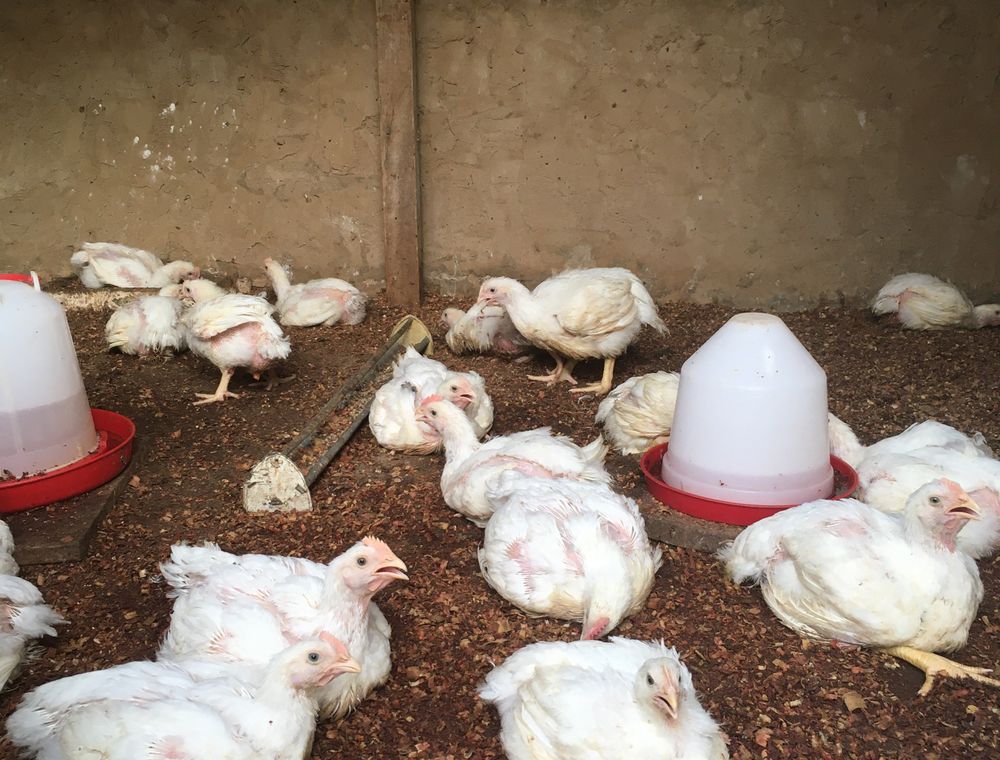
A chick with pullorum often looks normal on the first day. Then, over a day or two, the signs build. The vent gets sticky and pasty, with white droppings clinging to the feathers around the bottom. The chick stops eating and drinking, droops, and sits apart from the group with its feathers ruffled. Some chicks crowd under the lamp all day and die in the corner. Others get weaker until they stop moving. Losses that start on the road can look similar, so our article on chick mortality in transit helps you tell the two apart.
Deaths usually come in the first two or three weeks. A house with pullorum can lose a large share of its chicks when the infection came through the egg, and the losses often look like a bad batch rather than one clear disease. That is why a farmer may not connect the deaths to pullorum until a post-mortem or a laboratory test finds salmonella.
Survivors can be a problem too. Some chicks that get through the early infection become carriers, shedding bacteria in their droppings for a long time. A carrier looks healthy, so it is easy to keep it in the flock without knowing it is spreading the trouble.
- Pasty white material stuck around the vent.
- Chicks huddled near the heat, or sitting apart with drooping wings.
- Low appetite and drinking, with weight loss in the first week.
- Deaths in the first two to three weeks, often clustered in one part of the house.
How pullorum gets into the egg, and why hatcheries care
Pullorum passes from hen to egg because the bacteria can settle in the ovary and reproductive tract of an infected hen. Some eggs carry the bacteria inside before the shell is formed. When those eggs are hatched, the chick comes out already infected. Eggs can also pick up bacteria on the outside from droppings, and dirty shells give bacteria a way in during storage and setting.
This is why the source of day-old chicks matters so much. A hatchery that sets eggs from an untested breeding flock, or that does not clean its setters and hatchers properly, can pass the problem to the next farm in a box. The chick looks fine on the day it leaves. The sign appears a few days later, in your house.
Our advice to every buyer is the same, and it includes buyers of our chicks. Ask what the health status of the parent flock is and how it is monitored for pullorum and fowl typhoid. Ask what the hatchery does with dead-in-shell chicks and unhatched eggs. A good answer will be specific. A vague answer is a reason to look elsewhere.
Fowl typhoid in older birds and layers
Fowl typhoid is the disease you see in a laying house that has been running well and then suddenly is not. It can start with a flock that looks flat: birds sit hunched, stop coming to the feeder, drink more than usual and show a drop in egg production that looks like heat stress until it does not get better. Some birds have greenish or yellowish diarrhoea. Some have a dark or pale comb. Some die within a day of showing signs. Bird flu can look similar at this stage, so read our bird flu article before you settle on a diagnosis in your own head.
In older birds the disease can settle into a chronic form. A bird may have a swollen joint or a limp, lose condition over several weeks and keep a low lay for much longer than you expected. Chronic cases often cause the most trouble, because they keep spreading bacteria without making enough fuss to be taken seriously.
Fowl typhoid spreads through the droppings of infected birds. Contaminated feed, water, litter and equipment carry it from house to house, and wild birds and rodents can move it too. The bacteria survive in litter and dust for a while, so a house that has had the disease carries a risk for some time after the flock has gone.
Side by side: pullorum and fowl typhoid
| Feature | Pullorum disease | Fowl typhoid |
|---|---|---|
| Age most affected | Chicks in the first weeks | Mostly older birds, from about six weeks and up, especially layers and breeders |
| Main route | Hen to chick through the egg, then chick to chick | Droppings, feed, water, litter, equipment, carrier birds and rodents |
| Typical signs | Pasty vents, huddling, drooping, low appetite | Lethargy, hunched posture, diarrhoea, drop in lay, sudden deaths |
| Losses | Often high in chick batches | Can be sudden in layers, or slow in chronic cases |
| What confirms it | Laboratory test on dead or sick chicks, blood testing of breeders | Laboratory test on birds, post-mortem and flock history |
| What helps most | Tested breeding flocks, clean eggs, clean hatchery equipment | Clean litter, controlled visitors, rodent control, culling decisions made with your vet |
The table is a starting point. Real flocks often show mixed signs, and a vet may need samples from several birds before deciding what is going on.
How salmonella moves around a farm
Salmonella is a patient organism. It sits in litter, dust and water for weeks, and it does not need a sick bird standing in front of you to cause trouble. Think of the farm as a map of contact points, and work out which of them carry bacteria from one bird to another.
- Feed sacks stored on the floor, where rodents and damp litter can reach them.
- Drinkers that are not cleaned, where droppings collect in the water line.
- Egg trays and crates that go back into the house dirty.
- Boots, hands and clothes that move between houses without a change.
- Rats and mice that run from a dirty house into a clean one.
- Wild birds that feed on spilt grain or drink from an open trough.
In Ghana the rainy season makes litter wet and the water route busier, while the dry season lifts dust that carries bacteria between houses. Both seasons need a plan, and the plan is simple: clean in the same order every time, and keep the clean area clean. The biosecurity guide lays out the zones if you want to draw your own.
Testing, carriers and why a healthy bird can still spread it
The standard way to find pullorum and fowl typhoid in breeding flocks is a blood test, usually a rapid serum test run by a vet or a laboratory. Birds that test positive are taken out of the breeding flock, because their eggs may carry the infection. Many breeding programmes test regularly and remove reactors for exactly this reason. The aim is a flock that does not pass the disease to its chicks at all.
Blood testing of backyard flocks is less common, but it is possible. Ask your vet whether a test makes sense for your birds, and what they would do with a positive result. Some positive birds are culled. Others may be managed differently. That decision belongs to your vet and should be made with the flock history in front of them.
A carrier is a bird that carries the bacteria with little sign of illness. Carriers can keep going for a long time. They shed bacteria into the litter, and the litter infects the next group. This is why a flock that looks healthy is not automatically clean, and why a house that has seen pullorum should not take new chicks until your vet says it is ready.
Need chicks for your next batch?
Send breed, number and town. We reply with price, hatch date and delivery cost in writing.
Hygiene that breaks the chain
Most salmonella control is hygiene done on a boring schedule. There is no clever trick. The routine has to happen every week, and it has to happen in every house.
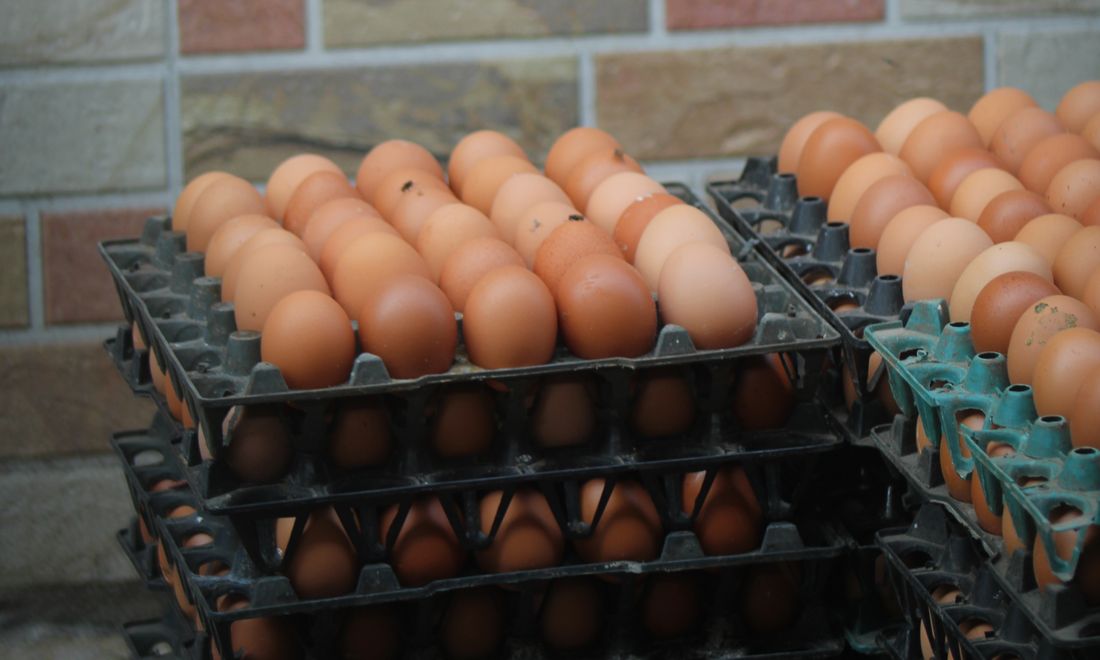
- Collect eggs at least twice a day, and store them clean and cool rather than stacked with dirty shells.
- Wash the drinkers every few days, and empty any that smell or have droppings in the water.
- Keep feed in closed bins off the floor, and clean up spilled feed before it gets damp.
- Put a footbath at the house door and refill it before you go in, using a disinfectant your vet recommends.
- Change into house clothes or boots that stay inside the house.
- Set rodent bait stations, check them, and keep the feed store closed at night.
- Clean and disinfect each house between flocks, then rest it before new birds arrive.
Cleaning must come before disinfecting. Disinfectant does little through a layer of litter dust and dried droppings. Sweep, scrape and wash first, let everything dry, and only then disinfect. Follow the label for dilution and contact time, and check with your vet if you are unsure which product suits your house. Write each cleaning date in your log, as the poultry record keeping guide suggests, so you can show your vet that the routine really happened.
What hatchery hygiene should look like
The hatchery is the first place salmonella can enter a flock, which is why hatchery hygiene is the part of our work we think about most carefully. Dirty, cracked or doubtful eggs should not be set. Setters and hatchers need cleaning between hatches, and the waste from each hatch has to be removed and disposed of in a way that stops bacteria reaching the next setting.
From the buyer's side you cannot see inside a hatchery. You can, however, ask questions and watch for answers that are specific. Ask how the parent flock is monitored, how often the equipment is cleaned, how dead-in-shell chicks are handled and whether chicks are checked on arrival. Ask the same questions of any hatchery, including us. Our about page is a fair place to start if you want to know who you are dealing with.
What you can check yourself is the chick on arrival. Look at the vents as you unpack the chicks, count the dead on arrival, and photograph anything unusual on the day. Send the count and the photo to us on WhatsApp at +233 24 915 1503 the same day, with the batch number. Early reports help the hatchery and protect the next buyer.
Treatment, culling and what your vet will decide
Antibiotics can reduce deaths in some salmonella outbreaks, and your vet may use them in chicks or birds that are clearly sick. What antibiotics do not do is clear a carrier flock. A bird can stop showing signs and still shed bacteria, so treatment often controls an outbreak without solving the underlying problem.
That is why culling and restocking decisions come up so often. In a breeding flock or a small layer flock, the vet may recommend culling positive or suspect birds. In a broiler flock, the usual route is to finish the birds as well as you can, clean thoroughly and restock. Your vet knows the local rules and the economics of your flock, and you should follow your vet's advice at every step.
Do not treat chicks on the strength of a neighbour's advice or a bottle from the shop. Wrong products and wrong amounts make resistance and hidden carriers more likely. Send a few sick birds, or a dead bird, to the vet and let the diagnosis set the plan.
A weekly salmonella risk checklist
- Check the chick vents and the droppings in each house twice a week.
- Record deaths by age and by house, and note any clusters.
- Look at egg count and shell quality each morning.
- Walk the footbath line and refill it before the first visitor arrives.
- Check the rodent stations and close any gaps in the feed store.
- Note any bird that sits apart, drinks heavily or has greenish droppings.
- Ask your vet about testing if deaths or a drop in lay have no clear cause.
If you are about to restock, the transport guide for day-old chicks and the brooder setup guide cover the first days in more detail, and our order page is where you start once you are ready.
Questions farmers ask
Can people catch pullorum or fowl typhoid?
These two diseases are adapted to chickens and other birds, and human infection is rare. That is different from the salmonella that causes food poisoning from eggs and meat, which is why egg hygiene matters for your kitchen too. Wash your hands after handling birds and eggs, keep the kitchen clean, and ask your vet if you have any doubt about a bird you are about to eat.
Can a chick with pullorum be saved?
Some chicks recover, but many do not, and survivors can remain carriers. Early vet advice matters. Your vet may decide on supportive care to reduce losses, and will also tell you whether the rest of the batch and the house need action. Follow your vet's advice, and do not assume a surviving chick is safe to keep in a breeding flock.
Is pullorum the same as pasty butt?
No. Pasty butt is a general name for sticky vents in chicks, and it has many causes, including poor brooding, dirty litter and sudden feed changes. Pullorum is a specific bacterial infection that a vet confirms through testing. Pasty vents plus deaths in the first week are a reason to call your vet early rather than wait and see.
Can I test my own flock for pullorum?
Yes, through a vet or a laboratory. Blood tests are the usual method for breeding flocks, and your vet can explain what a positive result means for your birds. Testing makes most sense for breeders and for flocks that keep losing chicks. Ask about cost and turnaround before you collect samples, so the result is useful when it arrives.
Are vaccines available for these diseases?
Vaccines exist for some salmonella infections in poultry, but whether to use one depends on the disease, the type of birds and local policy. Many small flocks rely more on testing, clean sourcing and hygiene. Ask your vet what they recommend for your flock and why, and follow your vet's advice on any vaccine you are considering.
Does salmonella stop eggs from hatching?
It can. Infected embryos may die in the shell, and many chicks that do hatch can be weak. Dead-in-shell eggs and weak chicks in the same hatch are a warning sign that the flock, the eggs or the setter need checking. Keep a record of hatch results, and show it to your vet if the numbers start to slip.
How long does the infection stay in a house?
For as long as the bacteria survive in litter and dust, which can be a long time if the house is not properly cleaned. A house that has held sick birds needs a full clean, proper disinfection and a rest before it takes new stock. Your vet can advise on how long the rest should be for your situation.


