
Short answer: Quail chicks need a fine starter at about 24 per cent protein for the first three weeks, a grower near 20 per cent until they reach point of lay around six weeks, and a layer near 20 per cent with calcium supplied for the hens. A quail eats very little, so a short-protein bag can look fine for weeks before the birds show it. Feed in a fine, dry form, in feeders that do not let the birds waste it, and track feed per egg from the first lay.
Key takeaways
- Quail chicks do well on a fine starter at about 24 per cent protein for the first three weeks. Check the bag, because a low-protein feed hides for a long time in a small bird.
- Move to a grower near 20 per cent around week three, and change to a layer near 20 per cent before the first eggs, not after.
- Give layers calcium at around 2.5 to 3 per cent in the ration, with grit or shell available, so the shells stay sound through the lay.
- Keep feed fresh and dry in the heat and the rains. A quail house is small, and a spoilt tray affects the whole pen quickly.
- Work out feed per egg for the pen. A 100-bird laying pen has a feed cost that is easy to measure and easy to ignore.
A small bird does not mean a small feed problem
This guide covers only the feed. Housing, space and selling are in our quail farming guide, so read that alongside it. Most quail losses we hear about trace back to feed that looked fine in the bag. A quail eats very little each day, so a bag that is a few points short on protein does not empty any faster than a good one. The birds still look busy at the feeder. They just do not grow, feather or lay the way they should, and by the time the problem shows, a whole batch has been fed on the wrong ration.
The fix is to check the protein on every bag before the birds touch it, and to keep a record of which bag went into which pen. A quail flock is small enough that you can see every bird, but the feed effects are slow. Records make the difference between a cause you can name and a loss you cannot explain.
Quail are also a demanding bird in the Ghanaian climate. A small house heats up quickly in the afternoon, the feed in a tray can turn in a day, and the dust of the harmattan settles on everything. The feeding routine has to be built around those conditions, not around a diagram in a book.
Chick starter at about 24 per cent for the first three weeks
In the first three weeks, quail chicks need a starter with protein around 24 per cent. Some commercial starters go higher, and the working target for a healthy chick is at least 24 per cent. That is the starter for the first weeks, and it is what lets a chick grow its frame and feathers quickly from the start.
The feed form matters as much as the protein figure. A quail chick picks up tiny particles, and a coarse crumble is hard for it to eat. Use a fine crumb or a fine mash, and make sure the particles are small enough that every chick can take a mouthful without struggling. If the chicks are pecking the feed and throwing it about, the particles are too large or the tray is too deep.
Put the feed in shallow trays, and refill them more often than you would for a larger bird. Quail chicks eat in small, frequent meals, and a tray that sits full for a whole day is a tray that is going stale. Clean the trays every day in the first week.
Water matters just as much. Keep the drinkers shallow, with a clean lip or pebbles in the tray, so the chicks can drink without getting wet. A chick that gets soaked and chilled will stop eating, and no feed will make up for a cold chick.
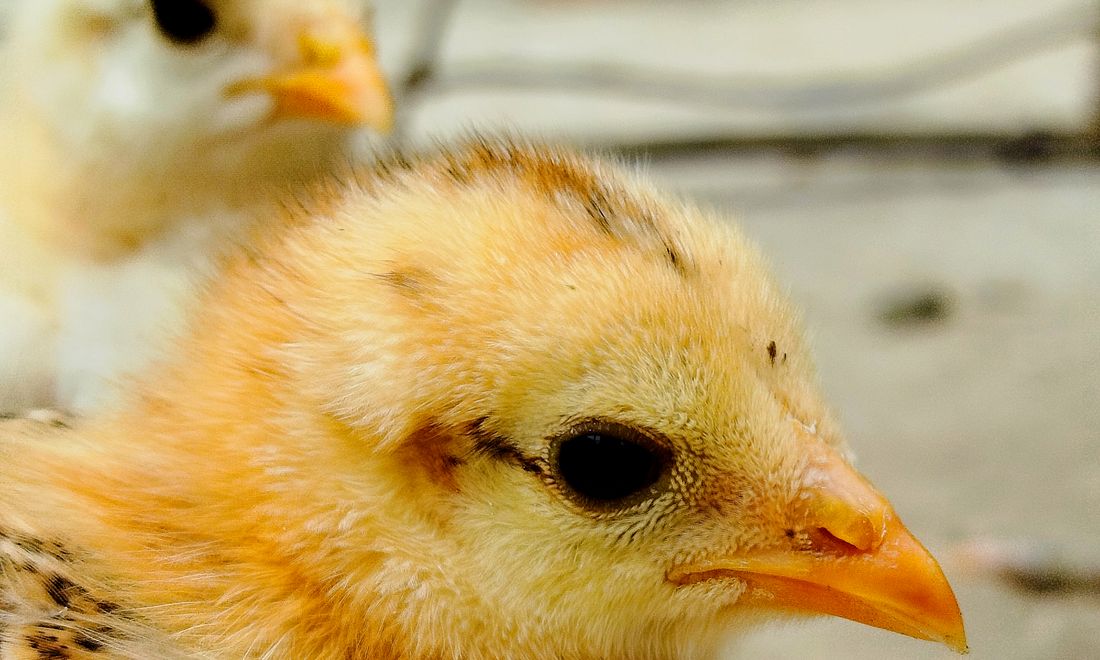
Growers at 20 per cent, and what feather growth tells you
Around the third week, most quail move to a grower near 20 per cent protein. The growth rate slows a little, and the bird starts putting its energy into feathering and building the frame it will lay from. A grower that is too rich in protein at this stage pushes birds on faster than their frame can carry, and that is not the goal.
Feather growth is the best cheap signal you have. Look at the wings and the back between the third and sixth weeks. Feathers that come in evenly, with the new quills growing steadily, mean the ration is working. Patchy or slow feathering means the protein is short, the energy is short, or the birds are competing for feed. Check the feed first, then the feeder space.
Change over the grower in two steps, mixing the starter and the grower for three or four days. The change in texture is small for a quail, but it still shows up in the trays on the first day if you do it in one go.
Weigh a sample of ten birds weekly, and keep the average on a sheet on the wall of the house. A quail flock that is growing well shows a steady rise in the average. A flat average for two weeks is a warning, and it is easier to fix at week four than it is at week eight.
Point of lay: changing the ration before the first eggs
Quail start laying young, and the change to a layer ration has to happen before the first egg, not after it. A hen that starts laying on a grower ration will carry the protein she needs but not the calcium, and her shells will be thin from the first clutch. The switch is easy to plan and easy to forget, so put it on the calendar.
The layer ration is usually near 20 per cent protein, with calcium supplied at around 2.5 to 3 per cent. That calcium is what keeps the shells sound through the lay. Do not expect the ration alone to carry all of it in a tight flock. Keep a separate source of shell or grit beside the feed, so the hens can take what they need through the day.
Mix the grower and the layer for three or four days, then move the birds across. Watch the first eggs closely. Thin shells, soft shells or a dip in the number of eggs in the first week are the signs that the ration or the calcium is out of step.
Our layer feeding guide covers the calcium and the shell question for chickens, and the principles carry over to quail, though the scale is much smaller.
Quail chicks and turkey poults: why the protein numbers look alike
Farmers who keep both quail and turkeys often ask whether the two species need the same starter. On paper the numbers look close. A turkey poult starter runs at about 28 per cent, and a quail chick starter at about 24 per cent, so the difference looks small enough to ignore. It is not the difference that matters most.
The turkey holds its high-protein starter longer and then steps down over several weeks. A quail moves off its starter much sooner, and the grower and layer ration do most of the work for the rest of its life. A quail that stays on a turkey-style high-protein diet after the third week will carry extra weight into the lay, and that is not a benefit.
Particle size is the other difference. A poult can manage a coarser crumb than a quail chick can, and a quail chick needs a fine feed to eat well at all. If you keep both species, keep the bags and the trays separate, and label them clearly, so a tired helper does not put the wrong feed in the wrong house.
Our turkey feeding guide sets out the turkey curve in full, and it is the right companion if you run both species on one site.
Fine crumb, dry feed and why whole grain goes to waste
Quail peck at the feed and pick out what they like. Whole grain, large crumbs and scattered pieces are wasted in the bedding, and the birds often leave them behind. A fine crumb or a mash that holds together is easier for a quail to eat from start to finish, and it leaves less on the floor.
Keep the feed dry. A quail house in the Ghanaian rains can hold moisture, and a damp feed turns mouldy within a few days. Mouldy feed is not a minor problem in a bird this small, because a little goes a long way. Store the bags off the floor and off the wall, under cover, and buy the feed in quantities you will use within a few weeks.
Do not mix whole grain into the quail ration to save money, unless you have worked out the protein and calcium and checked the mix with your supplier. Whole maize, for example, adds energy but dilutes the protein, and a quail chick on that mix will fall behind quickly. If you want to know how to check a mix, our feed formulation basics shows the working.
Clear out any feed that has sat in a tray for a whole day, and wash the tray before you refill it. It is a dull habit, and it keeps a sour, dusty feeder from making a flock ill.
Feeders for birds that eat a few grams at a time
A quail feeder should be shallow, narrow and easy to clean. A quail can climb a tray with a high lip and then scratch feed out onto the floor, and a deep trough encourages the birds to stand in the feed and soil it. A shallow tray with a low lip, set along the front of the cage or pen, works well for most small flocks.
Space matters as much as the feeder. Every bird needs a clear place to feed, and a pen where birds crowd at one tray will have the weaker birds going hungry. Divide the feeding space across the pen, so the flock does not compete for the same few centimetres of tray.
Keep a drinker at the same height as the feeder, with a clean lip or small stones in the tray, so the birds drink without getting soaked. A quail that gets wet in a cold harmattan night can chill quickly, and a chilled quail stops eating.
Our feeders and drinkers guide covers the designs in more detail, and the points about shallow trays and clean lips apply to quail as well as chickens.

Need chicks for your next batch?
Send breed, number and town. We reply with price, hatch date and delivery cost in writing.
Feed cost per egg for a 100-quail laying pen
Feed per egg is the number that tells you whether a quail pen pays. The sum below uses assumed figures, and you should replace each one with your own records. We have assumed a feed price of GH₵3.60 per kilogram for the arithmetic only, and an intake of about 25 grams per bird a day.
Take a pen of 100 laying quail. Our quail egg business article covers what happens to those eggs after they are collected, and the feed figure here is the first line of that business sum. At 25 grams each, that is 2.5 kilograms of feed a day, or 75 kilograms over a 30-day month. At GH₵3.60 per kilogram, the feed bill for the month is GH₵270.
For the eggs, assume each quail lays four eggs a week. That is a conservative figure for a laying pen, and it gives 400 eggs a week, or about 1,715 eggs over a 30-day month. Spread the monthly bill across the eggs and each egg carries about GH₵0.16 of feed, or roughly GH₵1.90 per dozen. The cost of chicks, housing, water, light, labour and losses sits on top of that.
Use the same sum every month for the first three months. If feed per egg rises sharply, the cause is usually spilled feed, a damp store, a ration that has slipped in protein, or a flock that is too crowded to feed well. Each of those is easier to fix when you spot it in the monthly figure.
Quail feed by stage at a glance
The quail stages are below. The protein figures are typical commercial ranges, and the ages are approximate. Feathering, weights and egg counts beat any age in this table.
| Stage | Timing | Ration | Crude protein | Check at this point |
|---|---|---|---|---|
| Chicks | 0 to 3 weeks | Fine crumb or mash, quail chick starter | About 24% | Fresh feed twice a day, shallow drinkers, clean trays |
| Growers | About 3 to 6 weeks | Quail grower | About 20% | Feather growth, weekly weight sample, feeder space |
| Point of lay | Change before the first egg | Layer ration, shell or grit on offer | About 20% | Calcium around 2.5 to 3%, thin shells as the warning sign |
| Laying hens | From first egg, all season | Layer ration | About 20% | Feed per egg each month, dry store, no spilled feed |
| Breeding males | Through the breeding season | Layer ration, checked for condition | About 20% | Avoid over-fat birds, keep the ratio of males to females as planned |
The table is for planning. It does not replace the labels on your bags, and it does not replace the advice of a feed professional who knows your local ingredients.
Four mistakes that stunt quail
These four mistakes account for most of the quail problems we hear about from farmers who started on a good flock and then lost ground.
- Keeping chicks on a grower or a layer feed. The birds look fine in week one and then fall behind, and the feathers come in patchy.
- Using a coarse feed for chicks. The chicks throw the crumbs about and eat too little, which shows up in the weight sample a week later.
- Letting feed sit in a damp store. A small amount of mould in a quail ration does a lot of harm, and the birds often refuse the feed before the keeper notices the smell.
- Changing the ration without a plan. A switch on a single morning drops intake, and quail have very little reserve to fall back on.
Each one can be fixed with a feed sheet, a clean tray and a weekly weight sample. None needs a large budget.
A checklist before the first bag opens
Work through this list before the chicks arrive. It takes an hour and saves a lot of guessing later.
- Confirm the protein figure on the starter, grower and layer bags, and write it on the store wall.
- Set up a fine feed tray and a shallow drinker for the chick brooder, and test both before the birds arrive.
- Store every bag off the floor, under cover, and keep a dated note of when each bag was opened.
- Plan the switch to the layer ration for the week before the first eggs are due.
- Set up a separate shell or grit dish beside the layer feed, and fill it from the point of lay.
- Start a sheet for weekly weights and monthly feed per egg, and keep it up to date from the first week.
Quail chick prices are on request, so ask us before you plan the purchase. Our frequently asked questions cover what happens if a box arrives short. You can place an enquiry through our order form, and we confirm the figure in writing before you pay anything. Our quail chicks page lists what we supply, and the delivery page explains how the birds travel to your region. If a feed or a sick bird has you stumped, ring +233 24 915 1503 with the bag label in front of you.
Questions farmers ask
How much protein do quail chicks need?
A fine starter at about 24 per cent protein suits quail chicks through their first three weeks. The protein figure is what drives how they grow, and a low-protein bag can look fine for weeks in a small bird. A weekly weight sample is how you catch the problem early. Keep the feed fresh and dry, and the water shallow and clean.
When should I switch quail to grower feed?
Most quail move to a grower near 20 per cent protein at about three weeks. Blend the two feeds for a few days, then watch the wing and back feathers come through evenly. Patchy feathering or a weight average that stops rising for two weeks points to the ration or the feeder space.
Do quail layers need calcium?
Yes. A layer ration with calcium at around 2.5 to 3 per cent is the usual target, and shell or grit should be available beside the feed. Change to the layer ration before the first eggs, not after. Thin or soft shells in the first week are the usual sign that the ration or the calcium is out of step.
Can I feed quail the same feed as turkeys or chickens?
Not safely over the whole cycle. A quail chick needs a fine starter, and a turkey poult runs at a higher protein for longer than a quail does. A chicken grower or layer may not carry the right protein and calcium for quail either. Use a feed made for quail, and read its protein figure before it goes in the pen.
How much feed does a laying quail eat?
As a working figure, a laying quail may eat around 25 grams of feed a day. That is an assumption for the arithmetic. Your own monthly records are the number to budget from, because they reflect your feed, your house and your weather.
Why do my quail eggs have thin shells?
The most common cause is calcium that is short in the layer ration or not available in a separate dish. Check the calcium level on the bag, offer shell or grit beside the feed, and watch the first eggs closely. Feed that has turned damp can also affect the hens, so check the store as well.
How do I work out feed per egg for quail?
Divide the monthly feed bill by the number of eggs you collect in the same month. For a pen of 100 laying quail eating about 25 grams a day, the sum is simple and the result is easy to track. Keep the same method every month, so a rise in feed per egg tells you something useful about spillage, storage or the ration.


