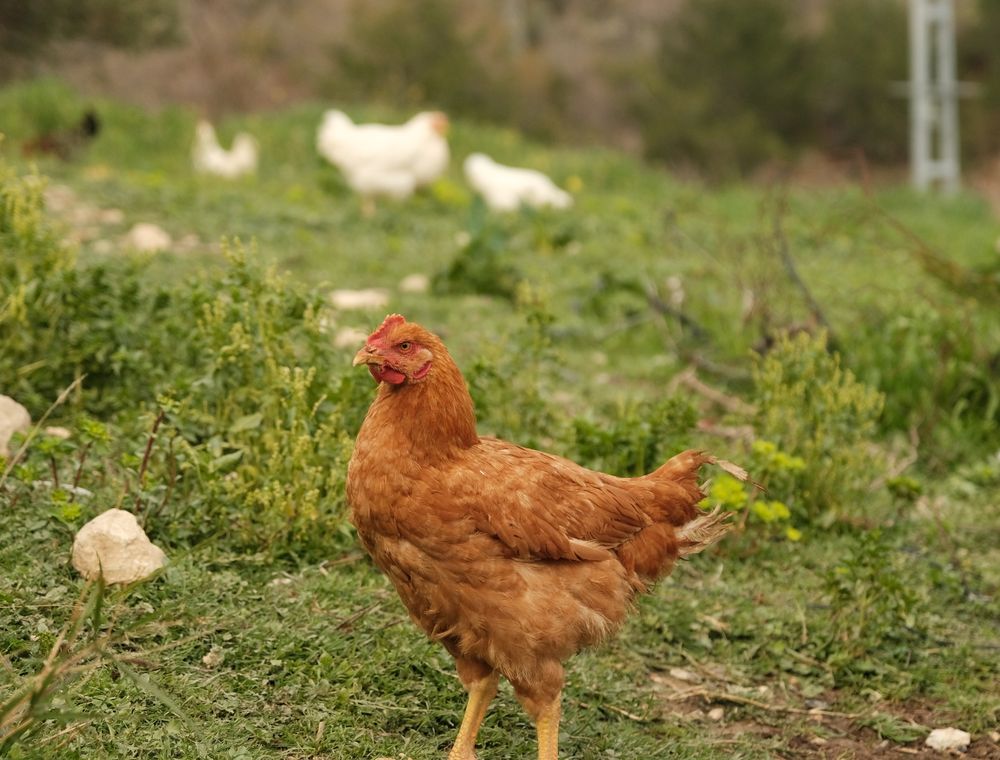
Short answer: Chicken droppings are a free daily health check. Healthy droppings are firm, dark brown or black with a white urate cap, and any change in colour, water content or blood is a clue to the gut or the body. Green, watery, bloody or chalky droppings each point toward different causes, so use them to decide what to check first, then confirm with your vet, a post-mortem or a lab sample.
Key takeaways
- Normal droppings have three parts: a dark coil, a white urate cap and a little clear liquid.
- Watery droppings are often heat or water related, but they can also be an early infection.
- Blood in droppings is a reason to act the same day, not to wait for the flock to recover.
- Chalky white droppings in young birds need a fast vet call, because some causes spread quickly.
- A dropping photo and a short log beat memory when the vet asks what changed.
What the floor should look like every morning
Walk the house before you do anything else. Look at the droppings under the perches, around the feeders and by the drinkers, and in the corners where birds like to sit. Pick out a few fresh ones, not the ones trodden flat overnight. The fresh ones show how the birds were doing, and that is the information you need.
A healthy flock on the right feed leaves droppings that look much the same from one morning to the next. The coil holds its shape, the colour stays within a steady range, and the white cap is a neat, chalky tip. A sudden change across the whole house is a stronger signal than one odd dropping, so the habit of looking every morning matters more than the detail of any single day.
Every chicken also leaves a second kind of dropping: darker, sticky caecal droppings from the two blind pouches where the small and large gut meet. Those are normal, and they often alarm a new farmer. The next section explains them.
The three parts of a dropping and what each one tells you
A chicken dropping has three parts, and they leave together. The brown or dark coil is faeces from the intestine. The white cap is urates, the solid waste from the kidneys. The clear or yellowish liquid is urine-like fluid. Read the three parts separately and you can tell whether the trouble sits in the gut, the kidneys or the water balance.
The coil tells you about digestion and the bowel. A coil that is too loose, too wet or too green points to the gut. The urate cap tells you about the kidneys and fluid balance. A cap that grows very large or turns yellow-green, or a lot of liquid around the coil, points to water intake or kidney stress. The clear liquid shows how much water the bird has drunk, which is why hot weather changes it so much.
Look at droppings on white paper or a clean board, not on dark litter. Colour is hard to judge on straw, and a dropping that looks green on a dark floor may be brown in daylight.
The normal changes that frighten new farmers
Some changes look serious and are not. A flock that eats fresh green leaves, such as moringa or a handful of cabbage, can leave greenish droppings for a day. A hot afternoon swells the liquid part, and a watery morning dropping after a warm night is common. Birds moved onto wet mash or a sudden feed switch may leave looser droppings for a day or two while the gut adjusts.
The test is duration and company. One green dropping after a meal of greens is nothing. A flock that is green and watery for three mornings, with birds sitting around and eating less, is not normal. Write down what changed in the last 48 hours, including the weather, the feed and the water, before you decide.
Do not treat every loose dropping as a disease. That habit leads to unnecessary medicine, and it hides the one flock that really is sick.
A colour and texture reading table
| What you see | Common suspects | What to do first |
|---|---|---|
| Firm brown coil, neat white cap | Normal | Keep watching and log it |
| Watery, with a large white or chalky urate part | Heat, extra water intake, too much salt, early viral infection | Check water and heat, then compare with other birds |
| Green and watery | Feed change, greens, or a viral infection such as Newcastle | Check breathing and behaviour; call the vet if birds are unwell |
| Red or dark blood in the droppings | Coccidiosis, or injury inside the gut | Same-day vet call; keep a fresh sample |
| Chalky white, pasty, sticking to the vent in chicks | Pullorum or fowl typhoid, or a chilled or dehydrated chick | Urgent vet call; check brooder heat and water |
| Yellow, orange or frothy liquid | Bile from a gut upset, or a liver or gut problem | Compare with feed and water; note how often it appears |
| Long white segments or spaghetti-like worms | Tapeworm or roundworm | Bring a sample to the vet and review the worm programme |
Read the table as a set of starting points. Two causes can give the same colour, and one cause can change colour as the flock gets worse. The table gets you to the right question faster, and that is all it is for.
Worms you can see in the droppings
Some worms leave a visible sign. Tapeworm segments look like small, flat, rice-sized pieces, often white or cream, sometimes stuck to the dropping. Roundworms are long, pale and thin, and now and then you see one passed whole in the coil. Caecal worms are too small to see, but the gut damage they cause can show up as a loose, pale or bloody dropping.
A worm you can see means a heavy burden, and a heavy burden usually means the flock has lived with worms for a while. A deworming programme is the usual answer, but choose the product and the timing with your vet and do not treat on a guess. The worms and deworming guide sets out the routine to discuss with your vet.
Keep the house dry, turn the litter, and keep wild birds and rodents away from the feed. Worm eggs survive in damp litter, and a flock reinfects itself faster than most farmers expect.
Red in the mix: when blood means a same-day call
Blood in droppings is never a reason to wait a week. A few streaks in one dropping might come from a small bleed, but several droppings with blood, birds hunched and feathers ruffled, is a serious flock. The most common cause in Ghanaian yards is coccidiosis, a gut parasite that damages the lining of the intestine and the caeca. Our coccidiosis guide covers the prevention side.
Blood can look dark, almost like coffee grounds, or bright red and fresh. Dark blood usually comes from higher up the tract or the caeca. Bright red points lower down or to a fresh injury. Both mean calling your vet the same day, and both mean keeping the birds calm and watered while you wait.
Do not reach for a broad-spectrum product on the strength of one dropping. The vet needs a fresh sample and a few birds to examine. A clear picture gets you the right treatment and a schedule to prevent the next outbreak.
Watery droppings: heat, water or infection?
Watery droppings are the most common alarm we hear about. Start with the water. Are the drinkers full, clean and reachable? Is there a leak under a nipple line or a split in a tank? A bird that drinks heavily in hot weather leaves a wet dropping, and it can look like disease when it is only thirst.
Next, the feed. Salt levels, a change of brand, a switch to wet mash and a sudden jump in protein can all loosen droppings for a day or two. Compare the feed with the bag and recipe you used last week, and ask whether the change came the same morning.
The third question is infection, and it is the one you cannot settle from the floor. Viral diseases such as Gumboro can leave watery droppings with a whitish urate look, often with birds going off their feed. Our Gumboro guide explains the signs to watch for. If watery droppings come with a drop in feed intake, sleepy birds or deaths, stop comparing and call the vet.
- Check the water supply, the drinkers and any leaks.
- Compare the feed with last week's bag and recipe.
- Look at the birds: appetite, posture, breathing and feathers.
- Count the deaths in the last 48 hours.
- Call the vet if birds are off feed or sleepy, or if deaths are rising.
Need chicks for your next batch?
Send breed, number and town. We reply with price, hatch date and delivery cost in writing.
Chalky white droppings in young birds
White, pasty droppings in chicks that stick to the vent are a different case. Chilling and dehydration can cause pasting, which our pasty butt guide covers. But chalky, white, watery droppings in several young birds at once, with weakness and deaths, point toward bacterial causes such as pullorum or fowl typhoid. Those can pass from parent stock to chicks, and the fowl typhoid and pullorum guide sets out the signs.
Do not wait this one out. A chick with chalky droppings and a dull, huddled look needs the heat checked, water offered, and a vet called straight away. Keep sick chicks apart from the rest if you can, and do not move birds from that brood to other houses until the vet has seen them.
When you buy chicks, ask for the health and vaccination record. It does not replace a vet's diagnosis, but it tells you what was done before the chicks reached you, which helps when you are working out what went wrong.
How to collect a dropping sample a lab can use
A lab can only work with what you send it. A dropping that has dried on the floor for six hours tells the lab very little. Collect fresh droppings as soon as you see them, ideally from several birds, and keep them cool and sealed until they reach the vet or the lab.
- Use a clean, dry, lidded container or a clean zip bag.
- Collect five or six fresh droppings from different spots in the house, not from one corner.
- If you can, sample from birds you know are sick and from one or two that look well.
- Label the container with the house, the date, the age of the birds and the first sign you saw.
- Keep it cool, out of the sun, and deliver it to the vet the same day.
Photograph the floor as well. A picture on white paper with a ruler or a coin for scale is more useful to the vet than a description. Send the picture with the sample and say when you first saw the change.
A worked example: 200 layers after a wet week
Take a house of 200 laying hens producing steadily at about 185 eggs a day. After a wet week, the morning floor shows watery, slightly green droppings in roughly a third of the house, and output falls to about 177 eggs a day. The farmer's first thought was disease.
The birds were eating and drinking, and none was sleepy or dying. The house had three drinker lines. When the farmer ran a hand along them, one nipple line was leaking into the litter under a rim, making a wet patch the birds kept walking through.
Fixing the leak took an afternoon. Within three days the droppings were firm again and output was back to about 185 a day. The loss over that week was roughly 56 eggs, or about 1.9 crates at GH₵50 per crate of 30, around GH₵93 at the table-egg price. A loose dropping in a wet week is often a water question before it is a disease question. Check the water first, then the feed, and call the vet if the birds are unwell.
When the droppings mean a vet visit the same day
Call your vet the same day if you see blood in several droppings, chalky white droppings in young birds, green watery droppings with breathing trouble or a drop in laying, birds that are sleepy and off feed, or deaths rising across the flock. Have the sample and the photo ready when you call.
Some diseases that change droppings are reportable, and the vet will tell you what to notify. Do not hide a suspicious flock, and keep sales from that house on hold until the vet has looked at the birds. A dropping log for each house helps the vet see a pattern rather than a single morning.
When you restock after a bad period, start with the breed. Our layer chick page and broiler chick page list what each strain needs. Once you have chosen, the order form is where the booking goes, and +233 24 915 1503 on WhatsApp is the line for questions about your house. For general questions, the FAQ covers the usual ones.
Questions farmers ask
Are green chicken droppings always a sign of disease?
No. Green leaves, a feed change and a hot day can all tint droppings for a short time. Green droppings become a concern when they are watery, last more than a day or two, and come with sleepy birds, a drop in eating or laying, or breathing noise. Those signs call for a vet.
What do bloody droppings mean in a chicken?
Most often coccidiosis, a gut parasite, though other causes of gut bleeding exist. Treat it as urgent. Keep the birds calm, watered and out of wet litter, collect a fresh sample, and call your vet the same day rather than waiting for the flock to recover.
Why are my hens' droppings watery in the harmattan?
Dry, dusty air and warm afternoons can raise water intake and change the liquid part of the dropping, while cold nights can change how much the birds eat. Check the water supply and the feed first. If the watery droppings come with a drop in laying, sleepy birds or deaths, call your vet.
Are white droppings in layers normal?
A white urate cap is normal and healthy, and most layers show one every day. Chalky, white, watery droppings across the house are different, especially in young birds, and need a vet's look. Check the texture, look at the birds' appetite and posture, and note whether the change is in one bird or the whole house before deciding anything.
Can I deworm based on what I see in the droppings?
Seeing worm segments tells you there is a burden, but not which worm, how many, or which product is right. Ask your vet for a plan and a dosing schedule, and do not treat on a guess, because some products need professional advice to use safely.
How often should I check droppings?
Every morning, and again before and after any change of feed, water or weather. A ten-second look at fresh droppings catches changes days before the birds look ill. Pair it with a quick count of how many birds are at the feeder and the drinker.
What should I send the vet?
Fresh droppings in a clean, lidded container labelled with the house, date and bird age, a photo on white paper, the feed bag or recipe, and a note on the water. For chicks, add the batch record and a note of the first sign. Send the sample the same day it is collected.


