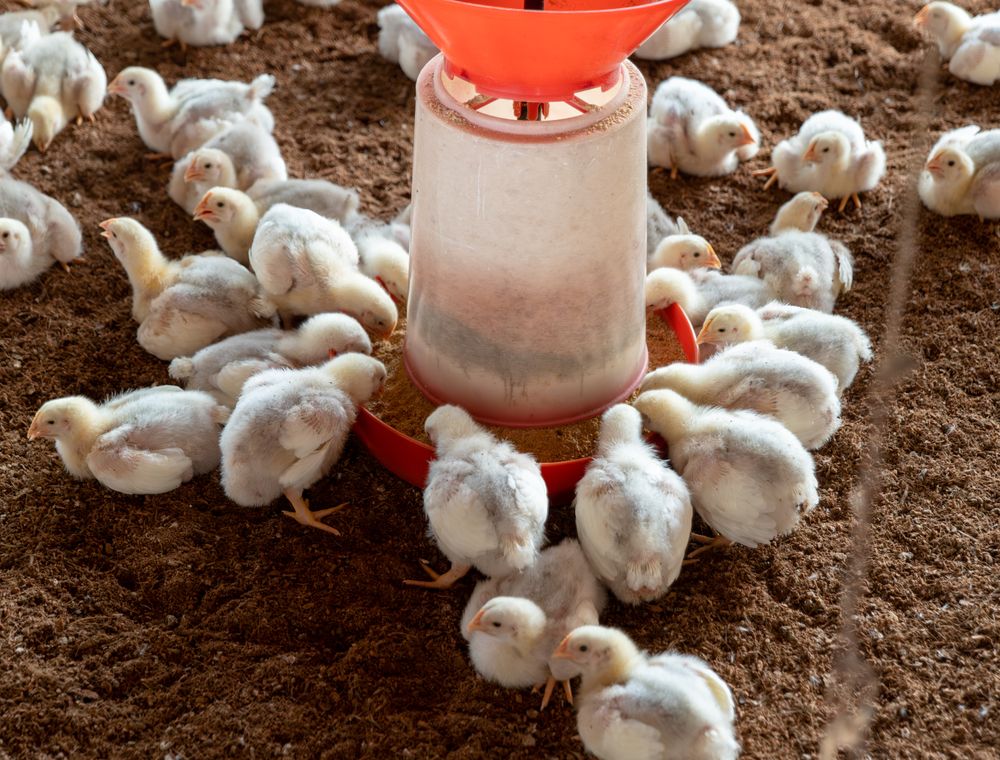
Short answer: Necrotic enteritis is a bacterial gut disease, mainly caused by Clostridium perfringens, that kills birds suddenly, often in broilers between three and six weeks old. It takes hold when the gut lining is already damaged by coccidiosis, wet litter or a sudden feed change. Keep litter dry, change feed slowly, control coccidiosis, and call your vet the same day you see unexplained deaths. Follow your vet's advice on any treatment.
Key takeaways
- The bacterium is common on most farms, so the real question is what damaged the gut first.
- Birds that were eating well and die within hours is the pattern to act on today.
- Coccidiosis, wet litter and sudden feed changes are the usual partners in this disease.
- A look at the intestine after death is what confirms it, so call your vet early.
- Follow your vet's advice on treatment, and respect withdrawal periods before any bird is sold.
The bird that was fine yesterday
Necrotic enteritis does not warn you in slow stages. A farmer walks the house at six in the morning, sees birds eating and moving about, and then finds two dead by the drinkers. By noon there are six. The dead birds were not thin and they were not sneezing. That is the pattern that should make you think of this disease first.
It is a bacterial infection of the small intestine, caused mainly by Clostridium perfringens. The bacterium is common. It lives in soil, in litter and in the guts of many healthy birds. It only becomes a killer when the gut lining has already been damaged, and in the field that damage almost always comes from something else that went slightly wrong first.
Broilers are hit most often, usually between the third and sixth week, though pullets and layers can get it too. The long rains keep litter damp for weeks at a time, and damp litter suits the bacterium well. So the disease behaves seasonally on a Ghanaian farm, even though the bacterium never leaves the premises.
What the bacterium does once it gets through
Picture the gut lining as a carpet. In a healthy bird it is thick and tidy, and it soaks up what the bird eats. When the lining is torn or flattened, the bacteria reach the tissue underneath and release toxins that kill the cells they touch. The lining then comes away in patches. Those patches are what you find at post-mortem, and they are why the disease carries the word necrotic, meaning dead tissue.
The toxins also make the bird feel ill very quickly. A bird with a painful gut stops eating, stands hunched with its feathers fluffed, and drinks less. That is why a flock can look normal at breakfast and be in trouble by the evening feed. Watch the house at dusk and at dawn, because that is when the first deaths usually show.
Undigested feed matters here. The bacteria do well where feed sits unused in the lower gut, because it gives them something to multiply on. Anything that slows the passage of feed, or leaves nutrients unabsorbed, feeds the problem. That is why diet matters as much as cleanliness.
Why coccidiosis usually comes first
Most of the cases we hear about follow a coccidiosis problem by a week or two. The parasites that cause coccidiosis destroy the cells that line the intestine, and that is exactly the damage this bacterium needs. Our chicks leave the hatchery vaccinated against coccidiosis, which protects against the main threats, but a vaccine does not cancel out wet litter. A flock with heavy challenge on damp floors can still break with coccidiosis, and the gut damage that follows can open the way for necrotic enteritis.
If you have seen bloody droppings, or birds that are weak and uneven in the last fortnight, read our guide to coccidiosis in chickens and deal with that first. Necrotic enteritis is often the second wave.
Ask your vet to look at the link on your own farm. They may want a gut sample from an affected bird, and they may change how you manage the litter or the feed. Follow your vet's advice on any treatment, because the wrong product at the wrong time can make the gut worse rather than better.
Signs you can see from the house
The signs are quiet until they are not. Walk the house twice a day and compare birds, not just the dead ones. This is the list we send to farmers who call us in a panic.
| What you see | What it can mean | First step |
|---|---|---|
| Sudden deaths in birds that were eating normally | Acute gut disease, possibly necrotic enteritis | Call your vet the same day and open a fresh bird |
| Birds standing hunched with ruffled feathers | Gut pain or a toxin effect | Check feed and water intake, and separate the worst birds |
| Dark, loose or greasy droppings | Gut damage or slowed digestion | Look at droppings across several pens, not one |
| Less water drunk each day | Illness spreading through the flock | Check drinker flow and record the water used |
| Some birds left behind in growth | Subclinical gut damage, often coccidiosis or feed | Weigh a sample and compare with your weight chart |
A bird with a soft, gas-filled belly is another warning. Do not wait until birds look sick enough to alarm you. By then the gut has usually been damaged for a while.
Feed changes and the ingredients that raise the risk
Feed is where most farms can make a real difference, and it is also where the advice gets muddled. The disease is more likely when the diet is high in animal protein, when a large share of the ration is wheat or barley, or when the feed changes suddenly from one bag to the next.
Fishmeal is the example most farmers ask about. It is a good protein source, but high inclusion and poor-quality batches leave more undigested material in the gut. We covered the protein side in protein sources for poultry feed, and the fishmeal details are in our fishmeal article. A new ration also needs a planned start, which our broiler feeding schedule walks through.
- Change one feed at a time over three to five days, moving about a quarter of the new feed in each day.
- Keep feed dry and fresh, because mouldy or caked feed is a trigger on its own.
- Do not switch to a cheaper ration in the middle of a growth phase to save a few cedis.
- Write every bag change in your diary, so a problem can be traced back to the feed.
Wheat is useful when it is cheap, but it makes the gut contents more sticky and slows digestion. If you use it, get a clear inclusion level from your feed supplier and keep it steady across the house.
Litter, drinkers and the rainy season
In Kasoa the rain comes in two bursts, the long rains from about April to July and a shorter spell in autumn. In those months a floor that was dry on Monday can be sodden by Friday. Wet litter is where the bacterium multiplies fastest, and it is also where the birds spend their day scratching and pecking.
The usual culprits are ordinary ones. A drinker that drips onto the floor, a nipple line set too low so birds spill water, a gap in the roof above the drinkers, or a house with no airflow at all. Each adds moisture. Walk the drinker line after every water change and push a hand into the litter at three spots. Our article on broiler litter management sets out the full routine.
Harmattan is kinder to wet litter but harder on the airways, and the dust that comes with it brings problems of its own. The target in every season is the same: dry on top, not caked, and no sharp smell of ammonia when you lift the bedding.
What a post-mortem shows and why your vet needs it
A dead bird is the best evidence you will have, if you handle it properly. Before you move anything, note the age of the birds, how many have died, when they were found and what the others were doing. Then ask your vet to look at the gut. The findings in the intestine usually decide the next step.
In an acute case the small intestine can be thin walled and full of gas or watery content. The lining may look pale or grey and sometimes carries a yellow-brown membrane. In more severe cases there are dark, patchy areas where tissue has died. Those are the changes the disease is named for.
A post-mortem is not the end of the story. Coccidiosis, a viral disease and a toxin can look similar from the outside, so your vet may test before deciding anything. That is why we tell farmers not to guess and not to start a treatment alone. Send the vet clear photos of the house, the feed bag and the dead birds, with dates.
- Write down the age, the number dead each day and the time they were found.
- Keep one or two fresh birds cool and sealed in a bag for the vet.
- Photograph the litter, drinkers and feed bag where they stand.
- Call the vet the same day, not the following week.
Need chicks for your next batch?
Send breed, number and town. We reply with price, hatch date and delivery cost in writing.
Prevention, week by week
No single switch stops this disease. What works is a set of habits that keep the gut stable from the first week to the last. Use this timetable as a starting point and adjust it with your vet for your own flock.
- Weeks 1 to 2: keep brooder litter clean and dry, make sure every chick finds water in the first 48 hours, and avoid early feed changes.
- Weeks 2 to 3: check drinkers daily for leaks and look at droppings each morning. This is when coccidiosis most often starts, and it is the partner of this disease.
- Weeks 3 to 4: walk the house at dusk, count birds lying apart from the flock, and log any that are off feed. Most farms see their first unexplained deaths in this window.
- Weeks 4 to 5: hold the feed steady, plan any ration change in advance, and check the litter depth so it stays dry at the drinker line.
- Final weeks: weigh a sample weekly against your target. A flock that falls behind is a warning, not bad luck.
What one bad week costs in cedis
Numbers make the case better than warnings do. Take a house of 500 Cobb 500 chicks bought at our starting price of 20 GH₵ each. The chicks alone cost 10,000 GH₵ before feed, housing, power or labour. Say necrotic enteritis takes 4 per cent of the flock in a bad week. That is 20 birds, worth 400 GH₵ in chick cost, and that is the cheap part of the loss.
The bigger cost is the feed the dead birds ate before they died, the weight the rest of the flock did not gain while they were sick, and the extra days before the birds reach market weight. A flock that loses a week of growth can cost more than the deaths, especially when a Christmas buyer is waiting. Check our current prices if you want to run the same sums for your own house.
| Item | Worked example |
|---|---|
| Chicks for the house | 500 at 20 GH₵ = 10,000 GH₵ |
| Chicks lost at 4 per cent | 20 birds at 20 GH₵ = 400 GH₵ |
| Feed eaten by birds before they died | Take the figure from your own feed records |
| Sale date pushed back by sick weeks | Often a week or more, while the feed bill keeps running |
What we tell farmers who call us
Farmers usually call us on WhatsApp after the deaths, with a photo of a sick bird on a feed sack. The first thing we ask about is the feed and the litter, not the chicks. A chick that arrived strong and was vaccinated at the hatchery is a good start, but only a start. Necrotic enteritis is a farm problem as much as a hatchery one.
Every box we sell comes with a batch record, so your vet knows what was given at the hatchery. The record tells you what happened before the chicks reached you. It cannot tell you what happened in your house after that, and most of the work is there.
If you are planning a flock and want to think through feed, litter and timing before the chicks arrive, message us on WhatsApp at +233 24 915 1503. For the birds themselves, our broiler day-old chicks page is the place to start. Chicks reach most farms by road in ventilated boxes, and the delivery page explains how that works. You can also place an order directly through the order form.
Questions farmers ask
Is necrotic enteritis the same as coccidiosis?
No. Coccidiosis is caused by Eimeria parasites, while necrotic enteritis is caused mainly by Clostridium perfringens bacteria. They often appear together because coccidiosis damages the gut lining, which gives the bacteria their opening. Treat them as two problems with a shared cause, which is usually poor litter and gut management. Ask your vet to check for both before deciding what to do next.
Can I buy a product from the agro-input shop and treat it myself?
Please do not. Follow your vet's advice on any product, because the right choice depends on the bacteria, the flock and what has been used before. The wrong product, or the right one used wrongly, can make the gut worse and leave residues in birds you sell. Ask your vet to tell you clearly when birds are fit for sale, and respect every withdrawal period they give you.
Do vaccines stop necrotic enteritis?
Not in the way a vaccine stops Newcastle or Marek's. Our chicks leave the hatchery vaccinated against Marek's, Newcastle, Gumboro, infectious bronchitis and coccidiosis, which lowers the chance that the gut is damaged first. Whether an extra control programme makes sense for your flock is a question for your vet, based on your farm and your losses.
Can layers and pullets get this disease?
Yes, though it is less common than in broilers. It appears most often in litter-based systems, and it tends to follow a feed change, a stressful move of birds or a bout of coccidiosis. Layers that get it may drop in egg numbers before any deaths show, so watch egg counts as closely as you watch the birds.
How fast does it move through a house?
It can move quickly once the gut is damaged, sometimes within two or three days, because birds share litter and peck at each other's droppings. Remove dead birds promptly, keep the litter dry, and clean your boots and tools before you move from one pen to another. Do not share equipment between houses until the problem is settled.
What should I send my vet?
Send the age of the birds, the number dead each day, photos of the house and the feed bag, the dates of any feed change, the vaccination record and one or two fresh dead birds, handled carefully. The more dated information you have, the faster the vet can narrow down the cause. A short written timeline is often more useful than a long explanation.
Is it safe to sell birds from a flock that has had this?
Do not sell birds that are sick or that died of disease. Only sell birds your vet says are fit, and only after any withdrawal period on a medicine has passed. If you are unsure, keep those birds out of the sale and ask your vet first.


